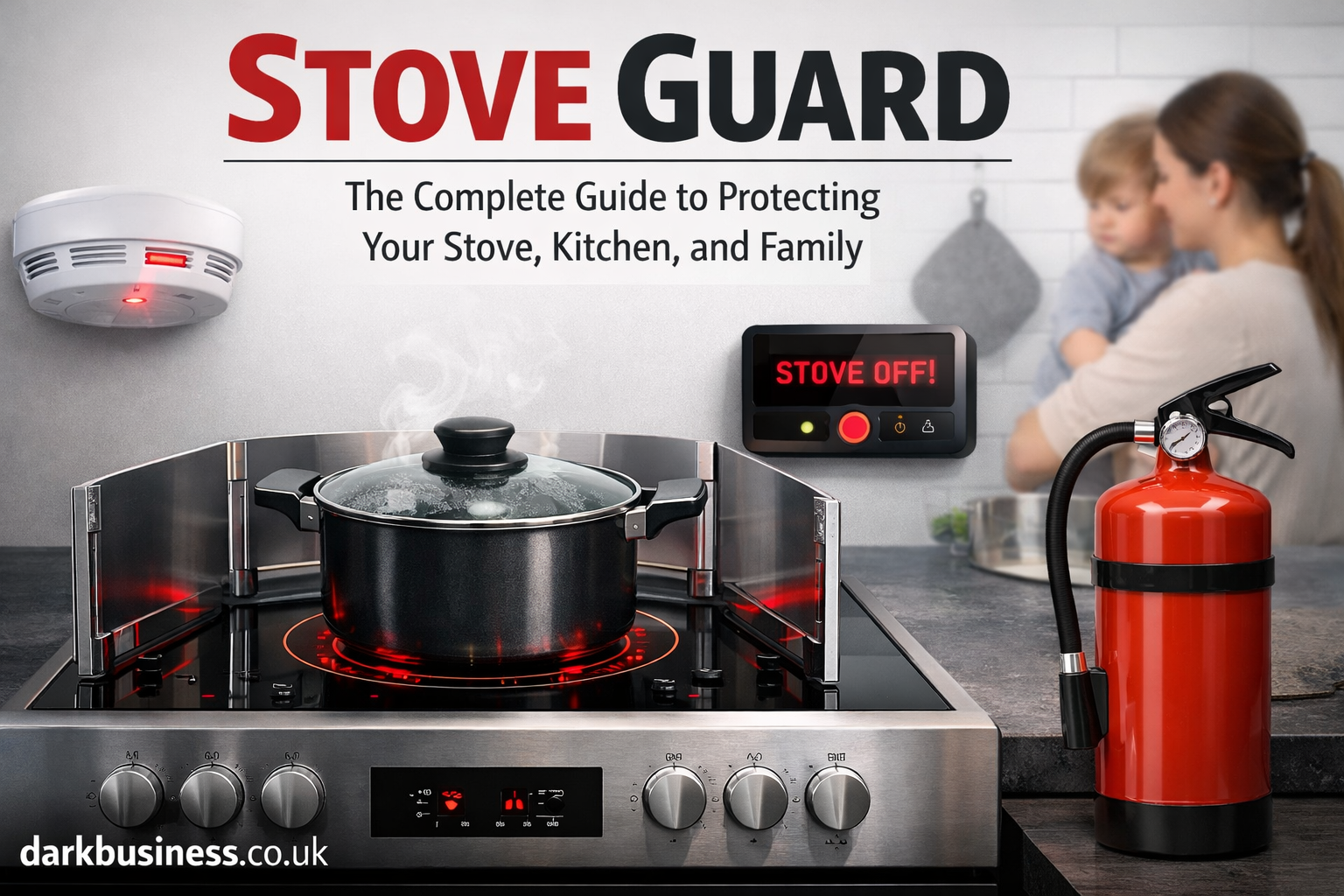
A stove guard is one of those simple kitchen accessories that often goes unnoticed—until you experience the mess, damage, or safety concerns it is designed to prevent. In modern kitchens, where convenience, cleanliness, and safety are top priorities, a stove guard plays a crucial role in maintaining both functionality and peace of mind. Whether you cook daily or only occasionally, spills, splatters, and heat exposure are inevitable, and over time, they can degrade your stove’s appearance and performance.
Beyond cleanliness, stove guards have gained popularity due to increased awareness around kitchen safety. Burn marks, grease buildup, and accidental flare-ups are common issues, especially in households with children, elderly family members, or busy routines. A stove guard acts as a protective barrier, reducing these risks while making cleaning significantly easier. As kitchens continue to evolve into multi-purpose living spaces, protecting appliances has become just as important as choosing them.
This comprehensive guide explores everything you need to know about stove guards—from what they are and the materials used to how to choose, install, and maintain them. Whether you are a homeowner, renter, or someone simply looking to extend the life of your stove, understanding stove guards can help you make an informed and practical decision.
What Is a Stove Guard?
A stove guard is a heat-resistant protective cover or liner placed around or beneath stove burners to shield the surface from spills, grease, scratches, and heat damage. It is specifically designed to fit different stove types, including gas, electric, induction, and glass cooktops. By acting as a barrier between cookware activity and the stove surface, it prevents food residue and liquids from bonding to the appliance.
The primary function of a stove guard is protection, but it also significantly improves convenience. Instead of scrubbing stubborn stains directly off the stove, users can simply remove the guard and clean it separately. This not only saves time but also helps preserve the original finish of the stove. Many stove guards are reusable, washable, and engineered to withstand high cooking temperatures without warping or emitting harmful fumes.
Unlike traditional stove covers, which are often bulky and used only when the stove is not in operation, stove guards are designed to remain in place during cooking. They are typically thin, flexible, and custom-fit, ensuring they do not interfere with burner performance or heat distribution. This combination of safety, efficiency, and ease of use makes stove guards an increasingly popular kitchen solution.
Types of Stove Guards
Stove guards come in several types, each designed to accommodate specific stove models and cooking styles. For gas stoves, stove guards are often cut to fit around burners and grates, ensuring flames remain unobstructed while the surrounding surface stays protected. These guards are especially useful for preventing grease and food from falling into hard-to-clean crevices.
Electric stove guards, on the other hand, are commonly designed as flat liners that sit beneath coil burners or cover the cooktop surface. They help prevent burnt-on food residue, which is a frequent issue with electric stoves. Induction and glass cooktop stove guards are usually made from ultra-thin, heat-resistant materials that protect the smooth surface from scratches, spills, and discoloration without affecting induction functionality.
Another important distinction is between custom-fit and universal stove guards. Custom-fit guards are tailored to specific stove brands and models, offering a precise fit and seamless appearance. Universal stove guards are more flexible and can be trimmed to size, making them suitable for a wide range of stoves. Choosing the right type ensures optimal performance, safety, and visual appeal.
Materials Used in Stove Guards
The effectiveness of a stove guard largely depends on the materials used in its construction. Silicone is one of the most popular options due to its flexibility, non-stick surface, and excellent heat resistance. Silicone stove guards are easy to clean, often dishwasher-safe, and resistant to staining, making them ideal for busy kitchens.
Fiberglass stove guards, typically coated with PTFE, are another common choice. These guards are extremely durable and can withstand very high temperatures. The PTFE coating provides a non-stick surface that prevents food from adhering, simplifying cleanup. However, users must ensure they stay within recommended heat limits to maintain safety and longevity.
PTFE-only stove guards are valued for their smooth texture and strong resistance to grease and spills. Many modern stove guards are made from food-grade, BPA-free materials and comply with safety standards. When selecting a stove guard, it is important to consider heat tolerance, durability, and certifications to ensure the product is safe for daily cooking use.
Benefits of Using a Stove Guard
One of the most immediate benefits of a stove guard is cleanliness. Cooking often leads to splatters, spills, and grease buildup that can be difficult to remove once burned onto the stove surface. A stove guard captures these messes, allowing for quick removal and cleaning without harsh scrubbing or chemicals.
Stove guards also provide long-term protection for your appliance. By preventing scratches, discoloration, and heat damage, they help maintain the stove’s appearance and functionality. This is particularly valuable for glass and induction cooktops, which are prone to visible wear over time. Preserving the stove surface can also contribute to higher resale or rental value.
From a safety perspective, stove guards reduce the risk of fire hazards caused by grease accumulation. They also help prevent accidental burns by keeping surfaces cleaner and less slippery. Overall, using a stove guard is a cost-effective way to enhance safety, convenience, and durability in the kitchen.
How to Choose the Right Stove Guard
Choosing the right stove guard begins with understanding your stove type and dimensions. Accurate measurements are essential, especially for custom-fit guards. A properly fitted stove guard ensures full coverage without interfering with burners or heating elements, which is critical for safe cooking.
Material selection is another key factor. Households that cook frequently at high temperatures may benefit from fiberglass or PTFE-coated guards, while those prioritizing flexibility and ease of cleaning may prefer silicone. Visual preferences also matter, as stove guards come in various colors and finishes that can complement your kitchen design.
Budget considerations should not be overlooked. While premium stove guards may cost more upfront, they often offer better durability and heat resistance, leading to long-term savings. Reading product specifications and reviews can help ensure you choose a stove guard that balances performance, safety, and value.
Cleaning and Maintaining a Stove Guard
Proper maintenance is essential to maximize the lifespan of a stove guard. Most stove guards can be cleaned with warm water and mild dish soap, making daily or weekly maintenance quick and easy. For tougher grease stains, soaking the guard before cleaning can help loosen residue without damaging the material.
Many stove guards are dishwasher-safe, which adds another layer of convenience. However, users should always follow manufacturer instructions regarding temperature limits and cleaning methods. Avoid abrasive scrubbers or harsh chemicals, as these can reduce the non-stick properties and shorten the guard’s lifespan.
Regular inspection is also important. Over time, stove guards may show signs of wear such as thinning, discoloration, or reduced heat resistance. Replacing the guard when necessary ensures continued protection and safety, keeping your stove in optimal condition.
Conclusion
A stove guard is a practical and versatile kitchen accessory that offers significant benefits in terms of cleanliness, safety, and appliance protection. By creating a barrier against spills, grease, and heat damage, it simplifies maintenance and extends the life of your stove. With various types and materials available, there is a stove guard suitable for every kitchen and cooking style.
Investing in a quality stove guard not only saves time and effort but also enhances overall kitchen safety. Whether you are upgrading your kitchen setup or looking for an affordable way to protect your stove, a stove guard is a smart and effective solution worth considering.
Frequently Asked Questions
What is a stove guard used for?
A stove guard is used to protect the stove surface from spills, grease, scratches, and heat damage while making cleaning easier.
Are stove guards safe for gas stoves?
Yes, stove guards designed specifically for gas stoves are safe when used according to manufacturer guidelines.
Can stove guards be cut to fit any stove?
Many universal stove guards can be trimmed to fit different stove sizes and models.
How heat-resistant are stove guards?
Most stove guards are designed to withstand high cooking temperatures, often up to several hundred degrees, depending on the material.
How often should a stove guard be replaced?
Replacement depends on usage and wear, but most stove guards last several months to years with proper care.
Do stove guards work on induction cooktops?
Yes, ultra-thin stove guards are available that are compatible with induction cooktops.
Are stove guards dishwasher safe?
Many stove guards are dishwasher safe, but always check the manufacturer’s instructions.
Can stove guards help prevent kitchen fires?
By reducing grease buildup and maintaining a cleaner cooking surface, stove guards can help lower fire risks.
Also Read: canelo next fight