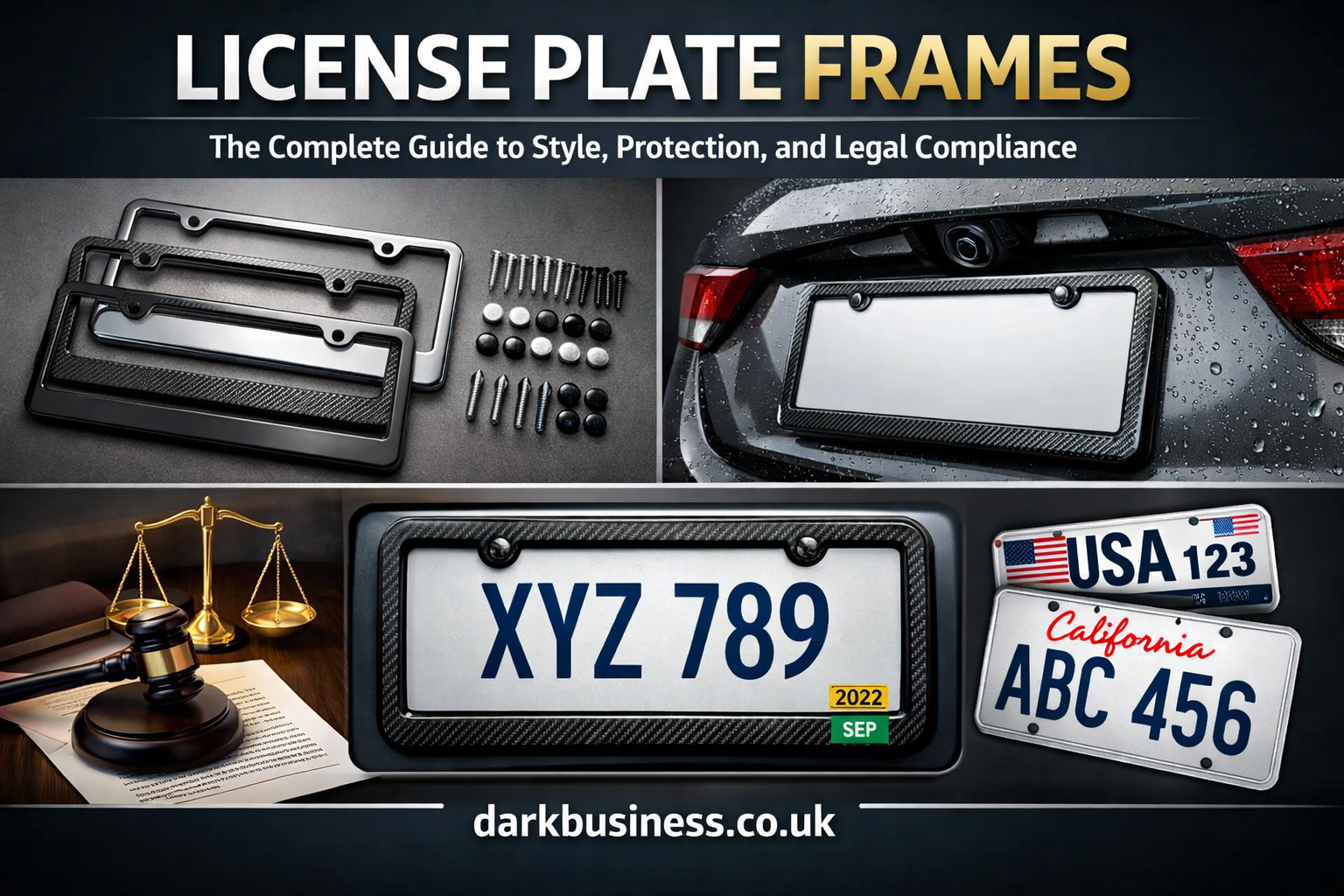
License plate frames are often viewed as a small accessory, but they play a surprisingly important role in both the appearance and functionality of a vehicle. Beyond simply holding a license plate in place, license plate frames can enhance a car’s visual appeal, reduce vibration noise, and protect plates from environmental wear and tear. As vehicles become more personalized expressions of identity, license plate frames have evolved from basic metal borders into stylish, customizable, and even high-performance automotive accessories.
In recent years, the market for license plate frames has expanded significantly. Drivers now choose frames not only to match their car’s color or trim, but also to reflect personal interests, brand affiliations, or lifestyle choices. At the same time, increased enforcement of vehicle regulations has made it essential for car owners to understand how license plate frames interact with the law. A poorly chosen frame can result in fines, failed inspections, or unwanted attention from law enforcement.
This comprehensive guide explores everything you need to know about license plate frames—from types and materials to legal considerations and buying tips. Whether you are a daily commuter, a car enthusiast, or someone simply replacing a worn-out frame, understanding the full scope of license plate frames will help you make a smart, compliant, and visually appealing choice.
What Are License Plate Frames?
License plate frames are accessories designed to border and secure a vehicle’s license plate onto the mounting area of a car, truck, or SUV. While the primary function is structural—keeping the plate firmly attached—the secondary purposes include protection, decoration, and noise reduction. Most vehicles come with basic mounting hardware, but license plate frames provide an added layer of stability and style that factory mounts often lack.
It is important to distinguish between license plate frames and license plate covers. Frames surround the outer edge of the plate, leaving the numbers and registration stickers visible, whereas covers typically overlay the plate with a transparent or tinted material. This distinction matters because frames are generally more accepted under vehicle laws, while covers are frequently restricted or banned due to visibility concerns.
Modern license plate frames are designed with compatibility in mind, fitting standard plate sizes used in most regions. However, design variations—such as thicker borders, raised lettering, or decorative elements—can influence how well a frame performs its role. Understanding what license plate frames are and how they function is the first step in selecting an option that balances practicality, style, and legal compliance.
Types of License Plate Frames
Standard license plate frames are the most common and widely used option. These frames are typically made from plastic or basic metal and are designed for functionality rather than flair. They provide a clean, minimal look while keeping the license plate securely mounted. Original Equipment Manufacturer (OEM) frames often fall into this category, offering a neutral appearance that blends seamlessly with most vehicles.
Decorative and custom license plate frames cater to drivers who want to express individuality. These frames may feature logos, slogans, patterns, or themed designs related to sports teams, hobbies, or brands. Custom frames can also include engraved names or personalized messages, making them popular for personal vehicles and promotional use alike. While visually appealing, it is crucial to ensure that decorative elements do not obstruct plate information.
Premium and functional license plate frames combine aesthetics with performance. Made from high-end materials such as stainless steel or carbon fiber, these frames offer superior durability and corrosion resistance. Functional frames may also include anti-rattle technology, weatherproof coatings, or designs optimized for vehicles with rear cameras and sensors. These advanced options are ideal for drivers who want both long-term reliability and a refined look.
Materials Used in License Plate Frames
Plastic license plate frames are lightweight, affordable, and widely available. They are resistant to rust and suitable for drivers seeking a budget-friendly option. However, plastic frames may fade, crack, or become brittle over time, especially in extreme temperatures or harsh sunlight. Despite these limitations, plastic remains a popular choice for short-term or decorative use.
Metal frames, including stainless steel and aluminum, are known for their strength and longevity. Stainless steel license plate frames are particularly valued for their resistance to rust and corrosion, making them ideal for wet or coastal climates. Aluminum frames are lighter but still durable, offering a balance between strength and ease of installation. Both options tend to maintain their appearance longer than plastic alternatives.
Carbon fiber and composite materials represent the premium end of the market. These frames are prized for their sleek appearance, lightweight construction, and high durability. While more expensive, carbon fiber license plate frames appeal to luxury and sports car owners who prioritize aesthetics and performance. Choosing the right material depends on budget, climate, and the desired balance between form and function.
Legal Considerations and Regulations
License plate frame laws vary by region, but most regulations focus on visibility and legibility. A frame must not obscure the license plate number, state or regional name, or registration stickers. Frames that partially cover these elements can result in traffic stops, citations, or inspection failures. Understanding local regulations is essential before purchasing or installing a frame.
Some regions also restrict reflective, illuminated, or excessively decorative frames. Frames with bright colors, flashing lights, or tinted edges may be deemed distracting or non-compliant. Even frames sold commercially are not always guaranteed to meet legal standards, placing the responsibility on the vehicle owner to verify compliance.
To avoid legal issues, drivers should regularly inspect their license plate frames for wear or misalignment. Over time, frames can shift or bend, gradually obscuring critical information. Staying informed and proactive ensures that license plate frames remain a benefit rather than a liability.
How to Choose the Right License Plate Frame
Selecting the right license plate frame begins with understanding your vehicle’s needs and your personal preferences. A compact sedan may benefit from a minimal frame that complements its design, while a truck or SUV might require a sturdier option to withstand vibrations and outdoor conditions. Matching the frame’s style to the vehicle enhances overall visual harmony.
Durability is another key factor. Drivers in regions with heavy rain, snow, or road salt should prioritize rust-resistant materials such as stainless steel or coated aluminum. Budget-conscious buyers may opt for plastic frames, but should be prepared for more frequent replacement. Balancing cost with longevity is crucial for long-term satisfaction.
Finally, legal compliance should always guide the decision-making process. Before purchasing, review local regulations and choose frames specifically labeled as compliant. A well-chosen license plate frame enhances appearance, protects the plate, and provides peace of mind.
Installation and Maintenance
Installing a license plate frame is typically a straightforward process requiring basic tools such as a screwdriver. Most frames align with standard mounting holes, allowing for quick attachment. Ensuring that screws are tightened evenly helps prevent rattling and misalignment, which can damage both the frame and the plate.
Maintenance is equally simple but often overlooked. Regular cleaning removes dirt, salt, and debris that can cause corrosion or discoloration. Metal frames benefit from occasional polishing, while plastic frames should be checked for cracks or fading. Simple upkeep extends the life of the frame and maintains its appearance.
Replacing a license plate frame is recommended if it becomes bent, rusted, or non-compliant. Proactive maintenance ensures that the frame continues to serve its purpose effectively without creating legal or aesthetic issues.
Benefits and Drawbacks of License Plate Frames
One of the primary benefits of license plate frames is enhanced vehicle appearance. A well-designed frame can add a polished, finished look to a car’s exterior. Frames also protect license plates from bending, scratching, and environmental damage, preserving their readability over time.
However, there are potential drawbacks. Poor-quality frames may rust, fade, or loosen, creating noise or damaging the plate. Decorative frames that prioritize style over function may increase the risk of legal violations. Understanding these trade-offs helps drivers choose frames that offer genuine value.
By weighing benefits against potential issues, vehicle owners can make informed decisions that align with both aesthetic goals and practical needs.
Conclusion
License plate frames may be small, but their impact is significant. They contribute to vehicle aesthetics, protect valuable identification, and reflect personal style. At the same time, they must meet legal standards and withstand environmental conditions. Choosing the right license plate frame involves understanding materials, designs, regulations, and maintenance requirements.
By investing in a high-quality, compliant frame, drivers can enhance their vehicle’s appearance while avoiding unnecessary complications. Whether you prefer a simple, functional design or a premium, customized option, the right license plate frame offers a perfect blend of style, protection, and peace of mind.
Frequently Asked Questions
Are license plate frames legal everywhere?
Laws vary by region, but frames must not obstruct any required information on the plate.
Do license plate frames affect traffic cameras?
Frames that block numbers or reflect light can interfere with cameras and may be illegal.
What material lasts the longest?
Stainless steel and carbon fiber frames typically offer the greatest durability.
Can license plate frames damage plates?
Poorly fitted frames can bend or scratch plates over time.
How often should license plate frames be replaced?
Frames should be replaced when they show signs of rust, damage, or non-compliance.
Also Read: garage door insulation