Halloumi cheese has rapidly grown from a regional specialty into a global food trend loved by chefs, home cooks, and food bloggers alike. Known for its unique ability to hold its shape when cooked, halloumi offers a completely different experience from traditional melting cheeses. Whether grilled, fried, or baked, it delivers a crispy exterior with a soft, savory bite inside, making it a standout ingredient in modern cuisine.
In recent years, halloumi cheese has become especially popular among vegetarians and health-conscious eaters looking for high-protein, satisfying alternatives to meat. Its versatility allows it to fit into breakfast dishes, salads, burgers, and even gourmet mains. This guide explores everything you need to know about halloumi cheese—from its origins and nutrition to cooking methods, storage, and health considerations—so you can confidently enjoy and use it in your meals.
What Is Halloumi Cheese?
Halloumi cheese is a semi-hard, brined cheese traditionally made from a combination of goat’s milk, sheep’s milk, and sometimes cow’s milk. What truly defines halloumi is its distinctive production process, which involves heating the curds after forming. This step gives the cheese its famously high melting point, allowing it to be grilled or fried without losing shape.
Historically, halloumi was produced to last in warm climates, which is why it is stored in brine. This brining process not only preserves the cheese but also gives it its characteristic salty flavor. In traditional methods, halloumi is often folded with fresh mint leaves, adding aroma and helping extend shelf life. Today, while modern production may vary slightly, authentic halloumi still follows the same core principles that make it unique.
Taste, Texture, and Characteristics of Halloumi
Halloumi cheese has a mild yet savory flavor that becomes richer when cooked. When raw, it is slightly salty and firm, but once heated, it develops a golden crust while remaining chewy and soft inside. This contrast between crispy and tender textures is one of the reasons halloumi is so popular in cooking.
Another defining characteristic is its resistance to melting. Instead of turning gooey like mozzarella or cheddar, halloumi holds its structure, making it ideal for grilling, pan-frying, and skewering. The cheese also has a subtle milky aroma and a satisfying “squeak” when bitten into, similar to cheese curds. These sensory qualities make halloumi a memorable and enjoyable ingredient for a wide range of dishes.
Nutritional Value of Halloumi Cheese
Halloumi cheese is nutritionally dense, offering a good balance of protein, fats, and essential minerals. A typical serving provides a high amount of protein, which supports muscle maintenance and keeps you feeling full for longer. This makes halloumi a popular option for vegetarians who want a protein-rich food without relying on meat.
However, halloumi is also relatively high in fat and sodium due to its brining process. While it contains beneficial nutrients like calcium and phosphorus for bone health, it should be consumed in moderation, especially for individuals monitoring salt intake. Understanding its nutritional profile helps you enjoy halloumi as part of a balanced and mindful diet rather than an everyday staple.
Health Benefits of Halloumi Cheese
One of the main health benefits of halloumi cheese is its protein content. Protein plays a vital role in muscle repair, energy levels, and appetite control. Including halloumi in meals can make vegetarian dishes more filling and nutritionally complete, especially when paired with vegetables and whole grains.
Halloumi is also a valuable source of calcium, which supports strong bones and teeth. For people following low-carb or ketogenic diets, halloumi can be a convenient food choice due to its low carbohydrate content. While it is not a low-calorie food, its nutrient density and satisfying texture can help reduce overeating when enjoyed responsibly.
Is Halloumi Cheese Healthy or Unhealthy?
Whether halloumi cheese is healthy largely depends on portion size and overall diet. On the positive side, it provides high-quality protein, essential minerals, and long-lasting satiety. It can be a nutritious addition for active individuals or those following vegetarian eating patterns.
On the downside, halloumi’s high sodium and saturated fat levels mean it may not be suitable for daily consumption, particularly for people with high blood pressure or heart concerns. The key is moderation. Grilling or baking halloumi instead of deep frying, and pairing it with fresh vegetables, can make it a healthier choice without sacrificing flavor.
How to Cook Halloumi Cheese
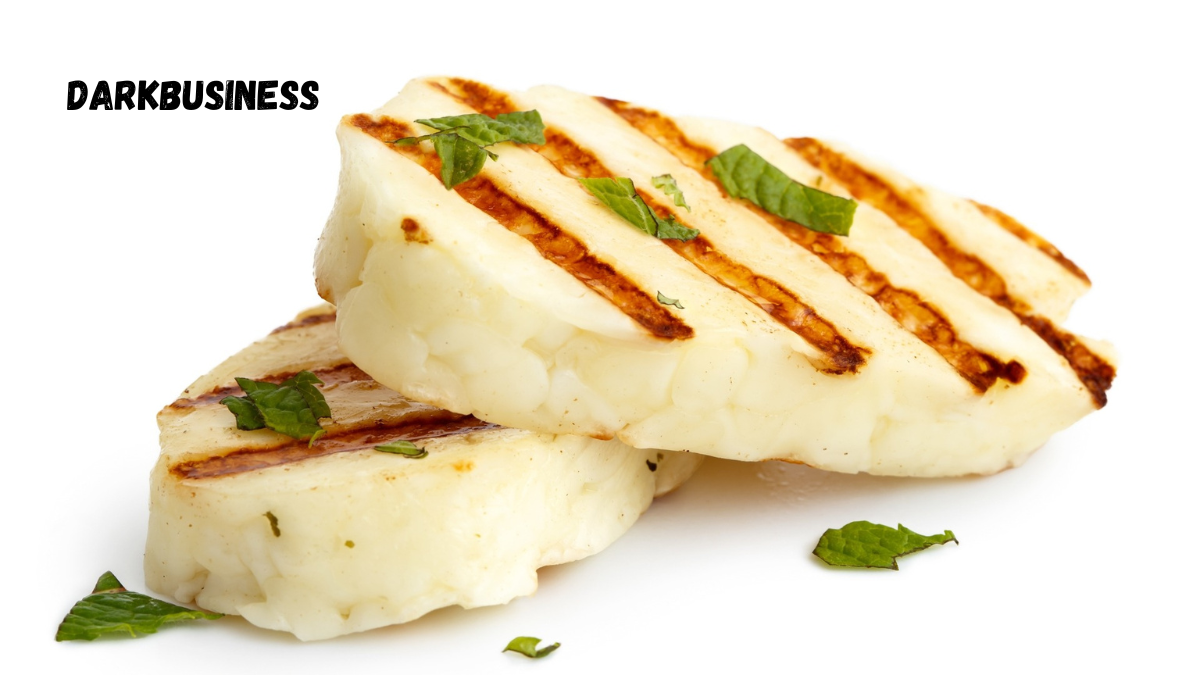
Halloumi cheese is incredibly versatile in the kitchen. Grilling is one of the most popular methods, as it enhances the cheese’s natural flavors while creating attractive grill marks and a crisp surface. Pan-frying is another common technique, requiring little to no oil due to halloumi’s natural fat content.
Halloumi can also be baked, roasted, or cooked in an air fryer for a lighter option. Regardless of the method, it’s important not to overcook it, as this can make the cheese overly tough. Properly cooked halloumi should be golden on the outside and tender inside, offering the perfect balance of texture and taste.
Popular Halloumi Cheese Recipes
Halloumi cheese works beautifully in a wide range of recipes. Halloumi fries are a crowd favorite, often served with dips and herbs. Grilled halloumi burgers provide a hearty vegetarian alternative, while halloumi salads combine fresh greens with warm, crispy cheese for a satisfying meal.
For breakfast, halloumi pairs well with eggs, flatbreads, and vegetables. It can also be used in wraps, skewers, and grain bowls. Its ability to absorb flavors makes it ideal for marinades and spices, allowing cooks to adapt it to different cuisines and taste preferences.
Halloumi Cheese vs Other Cheeses
Compared to feta, halloumi is firmer and less crumbly, making it better for cooking at high temperatures. Unlike mozzarella, which melts easily, halloumi retains its shape, making it ideal for grilling. When compared to paneer, halloumi is saltier and has a chewier texture.
Each cheese has its own strengths, but halloumi stands out for its cooking performance and unique mouthfeel. Understanding these differences helps you choose the right cheese for specific dishes and cooking methods.
How to Store Halloumi Cheese
Proper storage is essential to maintain halloumi’s quality. Unopened halloumi should be kept refrigerated in its original brine. Once opened, it should be stored in an airtight container with some brine or lightly salted water to prevent drying out.
Halloumi can be frozen, although freezing may slightly change its texture. When thawed, it is best used for cooking rather than eating raw. Always check for sour smells or unusual textures, as these can indicate spoilage.
Vegan and Dairy-Free Alternatives to Halloumi
Vegan halloumi alternatives are becoming increasingly popular, often made from coconut oil, starches, or legumes. While they aim to replicate the grilling properties of traditional halloumi, their flavor and texture may differ slightly.
These alternatives are suitable for people with dairy intolerance or those following a plant-based lifestyle. Cooking methods are similar, though vegan versions may require gentler handling. They provide an accessible way to enjoy halloumi-style dishes without dairy.
Buying Guide: How to Choose the Best Halloumi
When buying halloumi cheese, check the ingredient list for quality milk sources and minimal additives. Authentic halloumi usually comes in blocks and has a firm texture with a clean, milky smell.
Price can vary depending on milk type and production quality. While cheaper versions exist, higher-quality halloumi often offers better texture and flavor. Choosing reputable brands ensures a more enjoyable cooking and eating experience.
Conclusion
Halloumi cheese is a truly unique ingredient that bridges the gap between cheese and protein-rich main dishes. Its grill-friendly nature, satisfying texture, and rich nutritional profile make it a favorite among home cooks and professionals alike. When enjoyed in moderation and prepared thoughtfully, halloumi can be both delicious and nutritious.
Frequently Asked Questions
What is halloumi cheese made from?
It is typically made from goat’s, sheep’s, or cow’s milk.
Does halloumi cheese melt when cooked?
No, it holds its shape due to its high melting point.
Is halloumi cheese good for weight loss?
It can be included in moderation due to its protein content.
Can halloumi be eaten raw?
Yes, but it is more flavorful when cooked.
Is halloumi cheese vegetarian?
Many varieties are vegetarian, but always check the label.
Also Read: putney auction