LifeProof flooring has quickly become one of the most popular choices for homeowners seeking a combination of durability, style, and water resistance. Designed for modern living spaces, LifeProof flooring offers a practical solution for families, pet owners, and anyone who desires a beautiful floor that stands the test of time. Unlike traditional flooring options, LifeProof products combine advanced materials with a sleek aesthetic, making them suitable for both high-traffic areas and moisture-prone rooms.
The purpose of this guide is to provide a comprehensive overview of LifeProof. From types and features to installation tips and maintenance advice, we’ll cover everything you need to know before making an investment. Whether you are considering LifeProof for your kitchen, living room, or basement, this article will equip you with the knowledge to make an informed decision. By understanding the strengths, limitations, and unique characteristics of LifeProof, you can confidently choose the right style and type for your home.
What Is LifeProof Flooring?
LifeProof flooring is a brand of luxury vinyl flooring designed to be both stylish and resilient. Produced by Shaw Floors, it is primarily offered in luxury vinyl plank (LVP) and luxury vinyl tile (LVT) formats, providing homeowners with a versatile flooring solution that mimics the appearance of natural wood or stone. One of the key differentiators of LifeProof is its emphasis on water resistance, making it an ideal choice for areas like kitchens, bathrooms, and basements where moisture can cause problems for traditional wood or laminate flooring.
The brand has positioned itself as a solution that balances affordability with premium features. LifeProof flooring offers realistic textures and colors without the high maintenance requirements of real hardwood or tile. Its target audience includes busy households, families with pets, and DIY enthusiasts looking for an easy-to-install flooring solution. Understanding what LifeProof offers compared to other options is essential for assessing whether it meets your specific needs.
LifeProof flooring also stands out for its durability. It is designed to resist scratches, dents, and fading, which is especially valuable in homes with children or high foot traffic. When considering flooring investments, it’s crucial to factor in longevity and performance, and LifeProof has proven to deliver consistent results in real-world applications.
Types of LifeProof Flooring Options
LifeProof flooring comes in two main types: Luxury Vinyl Plank (LVP) and Luxury Vinyl Tile (LVT). LVP is designed to replicate the appearance of natural hardwood, offering long, plank-like designs that bring warmth and elegance to living spaces. LVT, on the other hand, mimics stone or ceramic tile, providing a more geometric and modern aesthetic. Both types are engineered to handle moisture and heavy foot traffic, making them versatile for various rooms.
Within these categories, there are multiple styles, finishes, and textures available. LifeProof offers wood-look options in shades ranging from light oak to deep walnut, as well as stone-look finishes that resemble marble, slate, and travertine. The realistic embossing and grain patterns contribute to a natural feel underfoot. Additionally, LifeProof flooring is available in rigid core construction, which enhances stability and makes installation easier, especially for DIY projects.
Selecting the right type involves considering both aesthetic and practical factors. For example, LVP is ideal for living areas or bedrooms, while LVT may be better suited for kitchens, bathrooms, or entryways. Understanding the subtle differences between plank and tile options will ensure that you choose flooring that meets both design and functionality goals.
Key Features of LifeProof Flooring
One of the standout features of LifeProof flooring is its waterproof technology. Unlike traditional laminate or hardwood, it can withstand spills, pet accidents, and high humidity without warping or staining. This makes it perfect for kitchens, bathrooms, and basements where moisture exposure is inevitable. The flooring’s surface layer is also scratch-resistant, providing protection against the wear and tear of everyday life.
Another essential feature is durability. LifeProof flooring is built to endure heavy foot traffic and the rigors of family life. The wear layer varies in thickness depending on the style, and thicker wear layers offer increased protection against scratches, dents, and fading. Additionally, the flooring is designed for comfort underfoot and provides some sound absorption, creating a quieter and more pleasant living environment.
The click-lock installation system is another practical advantage. Most LifeProof products are designed for floating installations, meaning they do not require glue or nails. This makes DIY installation more accessible and reduces labor costs. The combination of waterproofing, durability, and easy installation positions LifeProof as a smart choice for homeowners looking for long-lasting, low-maintenance flooring solutions.
LifeProof Flooring Installation Guide
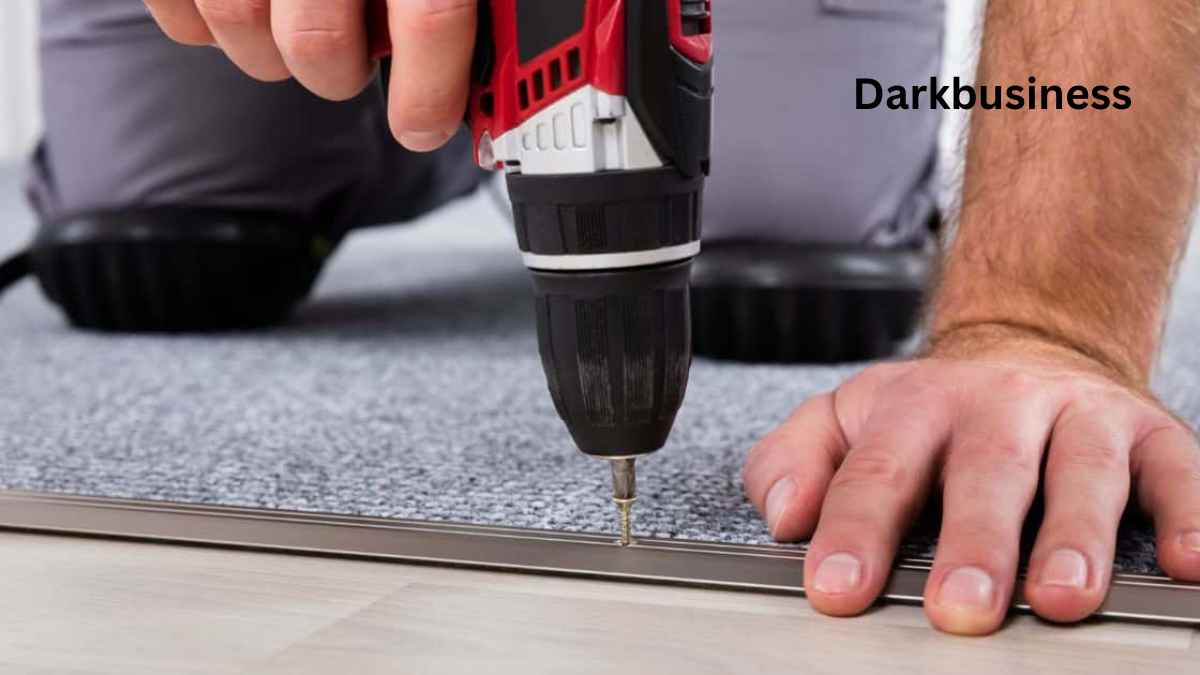
Installing LifeProof flooring is relatively straightforward, but success depends on proper preparation and technique. The first step is ensuring that the subfloor is clean, level, and dry. Uneven or damp subfloors can compromise the flooring’s stability and lead to issues over time. LifeProof flooring can generally be installed over existing floors such as concrete, tile, or vinyl, provided the surface meets these requirements.
The floating installation system makes it ideal for DIYers. Planks or tiles are clicked together without the need for adhesives, creating a secure fit. However, attention to detail is critical; gaps, misaligned planks, or improper spacing can affect the appearance and longevity of the floor. Using spacers and following manufacturer guidelines will ensure a professional-looking result.
Professional installation is also an option for those seeking a flawless finish. While it increases upfront costs, professional installers can handle complex layouts, transitions between rooms, and irregular surfaces. Regardless of the method, following installation instructions carefully ensures that the flooring performs optimally and maintains its warranty coverage.
LifeProof Flooring Maintenance and Care
Maintaining LifeProof flooring is simple but important for long-term performance. Regular cleaning with a soft broom or vacuum prevents dirt and debris from scratching the surface. For deeper cleaning, a damp mop with a mild cleaner is recommended. Avoid harsh chemicals or abrasive tools, as they can damage the wear layer and reduce the floor’s lifespan.
Preventing scratches and dents involves strategic placement of furniture pads and avoiding dragging heavy objects across the floor. LifeProof flooring is designed to resist most daily wear, but taking proactive care enhances durability and appearance. Additionally, spills should be wiped immediately to maintain the waterproof properties and prevent buildup of residue.
Long-term care also includes occasional inspection of seams and edges. Ensuring that planks remain tight and aligned will prevent water or dirt from infiltrating beneath the surface. With minimal effort, LifeProof flooring can maintain its aesthetic appeal and functional performance for years.
Conclusion
LifeProof flooring offers a unique combination of durability, waterproof performance, and realistic design, making it a popular choice for modern homes. Its range of plank and tile options, ease of installation, and low maintenance requirements make it suitable for a variety of living spaces. While no flooring solution is perfect for every scenario, LifeProof consistently delivers value, resilience, and style.
For homeowners considering an upgrade, LifeProof flooring is worth evaluating, particularly for areas exposed to moisture or high traffic. By understanding the types, features, installation requirements, and care tips outlined in this guide, you can make a confident, informed decision. Investing in LifeProof flooring ensures a beautiful, long-lasting foundation for your home that balances practicality with visual appeal.
Frequently Asked Questions
Is LifeProof flooring truly waterproof?
Yes, LifeProof flooring is designed to be 100% waterproof, making it ideal for kitchens, bathrooms, and basements.
Can LifeProof flooring be installed over existing floors?
Yes, it can typically be installed over concrete, vinyl, or tile, provided the subfloor is level and dry.
Is LifeProof flooring good for pets?
Absolutely. Its scratch-resistant surface and waterproof properties make it ideal for homes with pets.
How long does LifeProof flooring last?
With proper care, LifeProof flooring can last 15–20 years depending on wear and maintenance.
Does LifeProof flooring require underlayment?
Most LifeProof products come with an attached underlayment, but additional padding can be added for comfort or soundproofing.
Can LifeProof flooring be refinished?
No, LifeProof flooring cannot be sanded or refinished. Damaged planks must be replaced individually.
Is LifeProof flooring suitable for radiant heating?
Yes, most LifeProof products are compatible with radiant heat systems, but manufacturer guidelines should be followed
How does LifeProof flooring compare to laminate?
Unlike laminate, LifeProof flooring is waterproof and more resilient to scratches, making it superior for moisture-prone areas.
Also Read: halloumi cheese