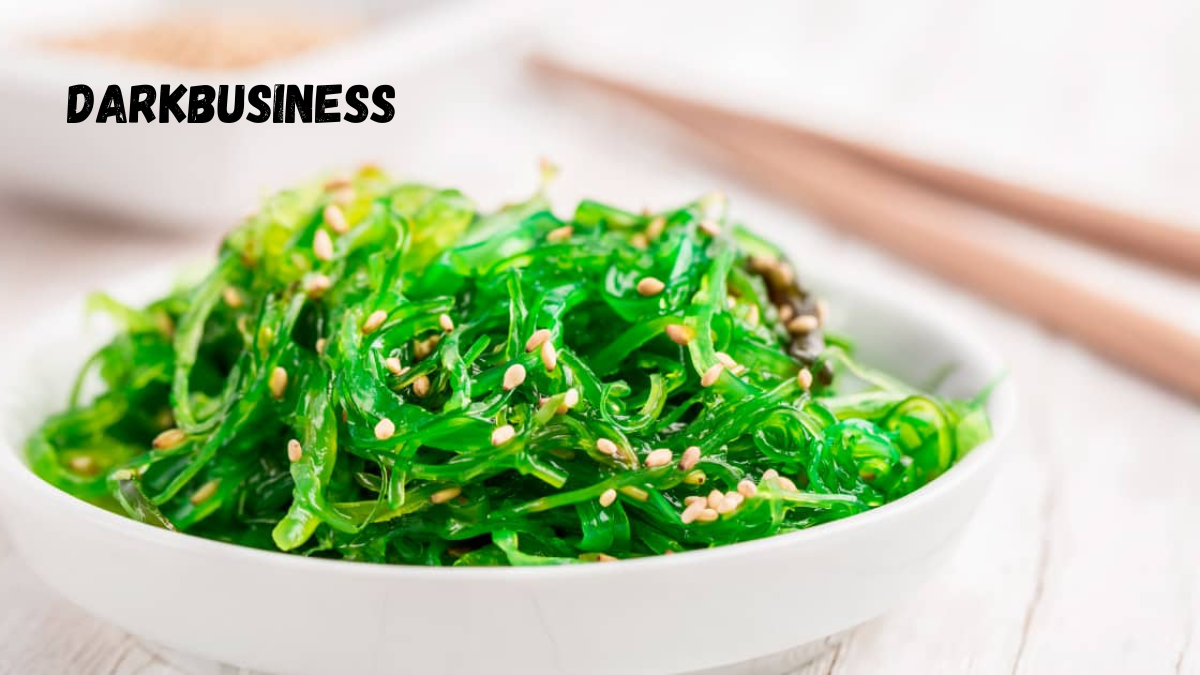
Wakame is a type of edible seaweed that has been a cornerstone of East Asian cuisine for centuries and is now gaining widespread recognition across the world. Known for its delicate texture, mild sweetness, and impressive nutritional value, wakame is most commonly associated with Japanese dishes such as miso soup and seaweed salad. However, its uses and benefits extend far beyond these familiar preparations. As people become more health-conscious and open to plant-based superfoods, wakame has emerged as a natural ingredient that combines flavor, versatility, and wellness.
In recent years, wakame has attracted attention from nutritionists, chefs, and sustainable food advocates alike. It is low in calories yet rich in essential minerals, vitamins, and bioactive compounds that support overall health. Unlike many trendy superfoods, wakame has a long history of safe consumption, making it both a traditional and modern dietary staple. This balance of cultural heritage and contemporary relevance has helped wakame secure a place in global kitchens.
This article provides a comprehensive look at wakame, covering its origins, nutritional profile, health benefits, culinary uses, and potential precautions. Whether you are curious about adding wakame to your meals or want to understand why it is considered such a valuable ingredient, this guide will equip you with all the essential information in an easy-to-follow and informative way.
What Is Wakame?
Wakame is a type of brown seaweed scientifically known as Undaria pinnatifida. It grows naturally in cold, temperate coastal waters and is harvested primarily in Japan, Korea, and China. Visually, wakame has thin, dark green leaves with a slightly slippery texture when rehydrated. When dried, it appears almost black and brittle, but once soaked in water, it expands dramatically and becomes tender and vibrant in color.
One of wakame’s most distinctive characteristics is its mild, subtly sweet flavor combined with a gentle umami taste. Unlike stronger seaweeds that can taste overpoweringly oceanic, wakame is approachable even for beginners. This makes it a popular choice for soups, salads, and side dishes. Its texture is soft yet slightly crunchy, adding interest without dominating a dish.
Wakame is often compared to other edible seaweeds such as nori and kombu. While nori is commonly used for sushi rolls and kombu for making stock, wakame occupies a middle ground. It is lighter than kombu and more versatile than nori in cooked dishes. This unique balance has contributed to wakame’s popularity in both traditional and modern recipes.
History and Cultural Significance
The history of wakame is deeply rooted in East Asian culinary traditions, particularly in Japan, where it has been consumed for over a thousand years. Historical records suggest that wakame was once considered a valuable food reserved for nobility and religious offerings. Over time, it became more widely available and evolved into an everyday ingredient used in households across coastal regions.
In Japanese culture, wakame is closely associated with comfort food and home cooking. Miso soup with wakame is a staple served in homes, restaurants, and schools. The seaweed is also commonly featured in celebratory meals and seasonal dishes, reflecting its cultural importance beyond basic nutrition. In Korea, wakame soup is traditionally eaten on birthdays and by new mothers, symbolizing nourishment and renewal.
As global interest in Asian cuisine grew, wakame traveled beyond its place of origin. Today, it is enjoyed worldwide in fusion dishes, health foods, and restaurant menus. Despite its international popularity, wakame remains a symbol of simplicity, balance, and respect for nature, values deeply embedded in the cultures that first embraced it.
Nutritional Profile of Wakame

Wakame is often praised for its impressive nutritional profile, especially considering its low calorie content. A small serving provides essential nutrients without adding excessive fat or sugar, making it ideal for balanced diets. It contains dietary fiber that supports digestion and helps promote a feeling of fullness, which can be beneficial for weight management.
One of wakame’s standout features is its mineral content. It is particularly rich in iodine, a trace mineral crucial for thyroid function and metabolic health. In addition to iodine, wakame provides calcium, magnesium, iron, and potassium, all of which contribute to bone health, muscle function, and overall bodily balance. These minerals are especially valuable for individuals following plant-based diets.
Wakame also contains vitamins such as vitamin A, vitamin C, vitamin E, and several B vitamins. Alongside these nutrients are antioxidants and unique bioactive compounds like fucoxanthin, which has been studied for its potential role in supporting metabolism and reducing inflammation. Together, these components make wakame a nutrient-dense food that supports overall wellness.
Health Benefits of Wakame
One of the most well-known health benefits of wakame is its support for digestive health. The fiber content helps regulate bowel movements and supports a healthy gut environment. Additionally, wakame contains compounds that may encourage the growth of beneficial gut bacteria, contributing to improved digestion and nutrient absorption.
Wakame is also associated with heart health. Its combination of fiber, antioxidants, and minerals may help support healthy cholesterol levels and blood pressure. Some studies suggest that the compounds found in brown seaweeds like wakame can play a role in reducing inflammation and oxidative stress, both of which are linked to cardiovascular disease.
Another notable benefit is its potential role in weight management. Wakame is low in calories yet satisfying, making it an excellent addition to calorie-conscious diets. Fucoxanthin, one of its bioactive compounds, has been studied for its possible effects on fat metabolism. While wakame is not a magic solution, it can be a supportive component of a healthy lifestyle.
Culinary Uses of Wakame
Wakame’s culinary versatility is one of the reasons it has remained popular for centuries. It is most famously used in soups, particularly miso soup, where it adds subtle flavor and texture without overpowering other ingredients. Wakame also shines in salads, often paired with sesame dressing, vinegar, and light seasonings that enhance its natural taste.
Beyond traditional dishes, wakame can be incorporated into modern recipes such as grain bowls, noodle dishes, stir-fries, and even smoothies in powdered form. When rehydrated, it blends easily with vegetables, tofu, seafood, and rice-based dishes. Its mild flavor allows it to complement a wide range of cuisines, from Asian-inspired meals to Western fusion cooking.
Cooking with wakame is straightforward, especially when using dried varieties. A small amount goes a long way, as it expands significantly when soaked. This makes wakame both economical and convenient. For beginners, starting with simple soups or salads is an easy way to become familiar with its taste and texture.
How to Prepare and Store Wakame
Preparing wakame typically involves rehydrating dried seaweed in cold water for a few minutes. During this process, the wakame expands and softens, transforming into its familiar green form. After soaking, it should be rinsed to remove excess salt or impurities. Fresh wakame, when available, requires minimal cleaning before use.
Once rehydrated, wakame can be added directly to soups, salads, or cooked dishes. It cooks quickly and should not be overcooked, as excessive heat can cause it to lose its delicate texture. Light cooking methods help preserve its nutrients and flavor, making it both healthy and enjoyable.
Proper storage is important to maintain quality. Dried wakame should be kept in an airtight container in a cool, dry place. Once rehydrated, it should be used promptly or stored in the refrigerator for a short period. Following these simple steps ensures that wakame remains fresh, safe, and flavorful.
Potential Side Effects and Precautions
While wakame offers many health benefits, moderation is essential. Due to its high iodine content, excessive consumption may affect thyroid function, particularly for individuals with thyroid disorders. It is important to enjoy wakame as part of a varied diet rather than relying on it as a primary food source.
Some individuals may experience sensitivities or allergic reactions to seaweed, although this is relatively uncommon. Additionally, wakame harvested from polluted waters may contain heavy metals, making it important to purchase from reputable and trusted sources.
Pregnant individuals, people with existing thyroid conditions, and those on specific medications should consult a healthcare professional before consuming large amounts of wakame. When eaten in appropriate portions, wakame is generally safe and beneficial for most people.
Conclusion
Wakame is a remarkable food that bridges tradition and modern nutrition. Its rich history, impressive nutrient profile, and culinary versatility make it a valuable addition to a balanced diet. From supporting digestion and heart health to enhancing everyday meals, wakame offers benefits that extend well beyond its simple appearance.
By understanding how to prepare, use, and enjoy wakame responsibly, you can incorporate this seaweed into your lifestyle with confidence. Whether you are exploring new flavors or seeking nutrient-dense foods, wakame stands out as a timeless and health-supportive ingredient.
Frequently Asked Questions
What does wakame taste like?
Wakame has a mild, slightly sweet flavor with gentle umami notes and a tender texture.
Is wakame safe to eat every day?
Yes, in moderate amounts. Daily consumption should be balanced to avoid excess iodine intake.
How much wakame should I eat?
A small rehydrated serving is usually sufficient, as wakame is nutrient-dense.
Can wakame help with weight loss?
Wakame may support weight management due to its low calories and fiber content.
Is wakame better than other seaweeds?
Each seaweed has unique benefits; wakame is valued for its balance of flavor and nutrition.
Does wakame need to be cooked before eating?
Dried wakame must be rehydrated, but it does not always require cooking before use.
Also Read: ice cream cone