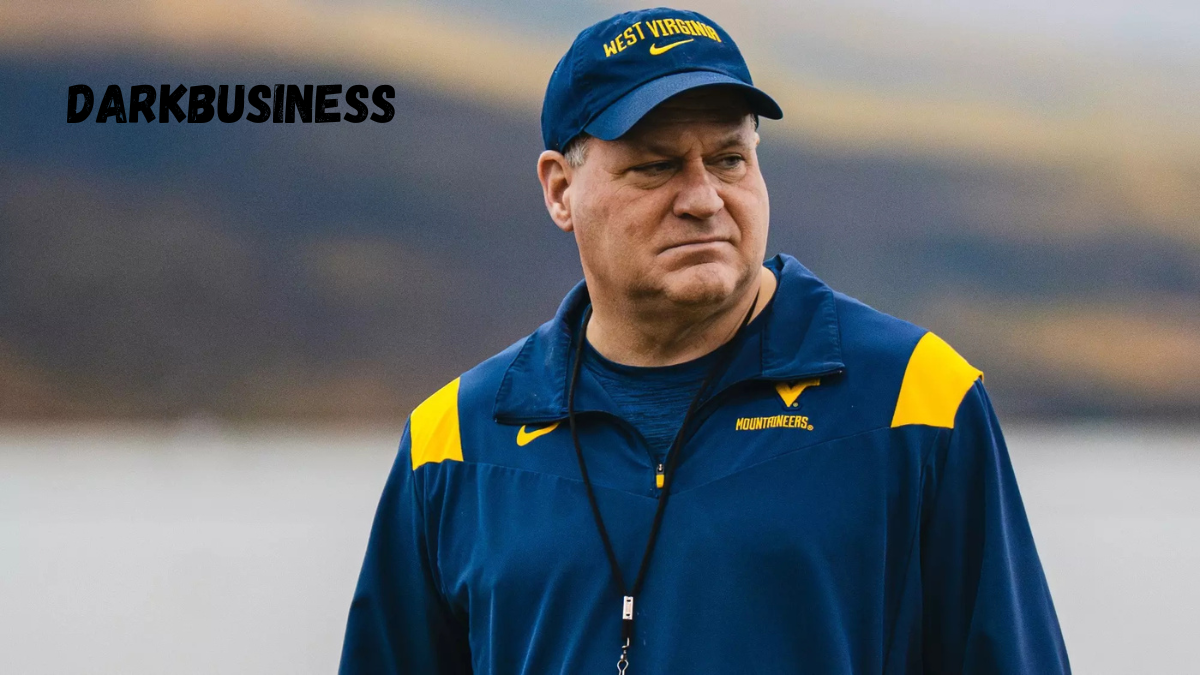
Rich Rodriguez is one of the most influential and polarizing figures in modern American college football. Known primarily for his role in popularizing the spread offense and zone-read system, Rodriguez reshaped how offenses operate at the collegiate level. His career has been marked by dramatic highs, public controversies, tactical brilliance, and challenging setbacks, making him a compelling subject for football fans, analysts, and sports historians alike.
This article takes an in-depth look at Rich Rodriguez’s life and career, tracing his journey from humble beginnings to national prominence, and examining how his ideas left a permanent mark on the sport. Rather than focusing only on wins and losses, this exploration highlights the broader story—how innovation collides with tradition, how leadership is tested under pressure, and how a coach’s legacy can extend far beyond the scoreboard.
Early Life and Background
Rich Rodriguez was born and raised in a working-class environment where discipline, perseverance, and teamwork were central values. Growing up, football was more than a game—it was a structured outlet that taught responsibility and leadership. From an early age, Rodriguez showed a strong understanding of the sport, not only as a player but as a thinker who questioned why certain strategies worked and others failed. These formative years laid the foundation for his future approach to coaching, which emphasized adaptability and creativity.
During his high school and college playing days, Rodriguez was not known as a standout star athlete, but rather as a diligent and intelligent player. This experience would later shape his coaching philosophy. Instead of relying solely on elite athletic talent, he believed in designing systems that maximized the abilities of average players through spacing, timing, and decision-making. His playing background helped him understand the challenges faced by quarterbacks and skill-position players, influencing the quarterback-centric systems he later developed as a coach.
Beginning of His Coaching Career
Rich Rodriguez entered coaching through assistant roles, where he quickly gained a reputation as a tireless worker and innovative thinker. Early in his career, he absorbed lessons from a variety of coaching styles, blending traditional football principles with experimental offensive ideas. These formative coaching years were critical, as they allowed Rodriguez to test concepts without the full pressure of being a head coach. He studied defenses obsessively, looking for weaknesses that could be exploited through misdirection and tempo.
As Rodriguez climbed the coaching ladder, his offensive ideas began to take shape. He emphasized speed, spacing, and decision-making, challenging the conventional wisdom that power and size were the keys to success. His early teams demonstrated that strategic design could neutralize physically superior opponents. These early successes gave him confidence and credibility, setting the stage for his eventual breakthrough as a head coach and offensive innovator.
Breakthrough Years and Rise to Prominence
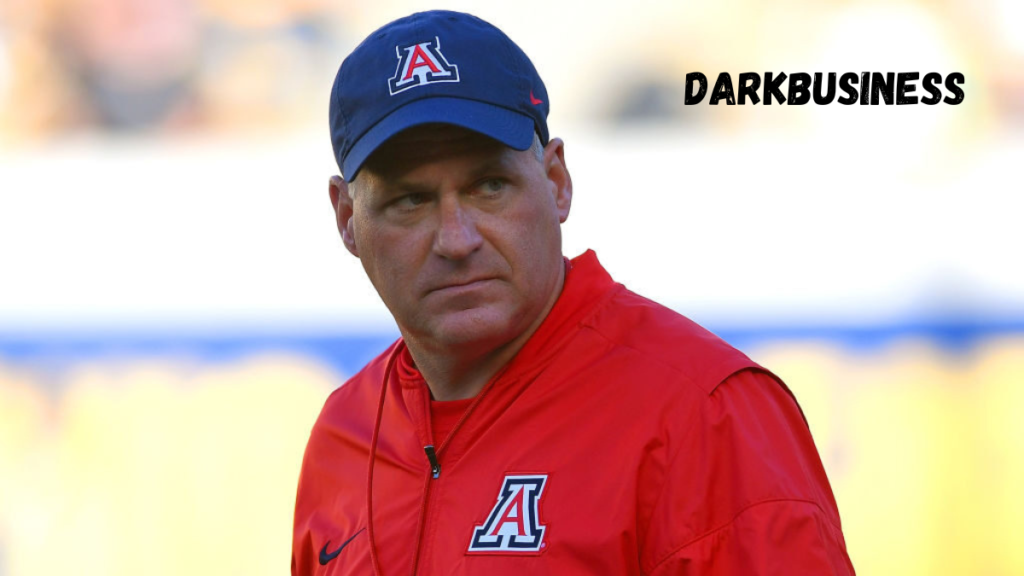
rich rodriguez breakthrough came when he took control of a struggling program and transformed it into a nationally competitive team. His offenses were fast-paced, unpredictable, and difficult to defend, forcing opposing coaches to rethink their defensive schemes. As victories accumulated, so did attention from the media and larger programs. Rodriguez was suddenly seen not just as a successful coach, but as a revolutionary figure in college football strategy.
During this period, Rodriguez became synonymous with offensive innovation. His teams regularly ranked among the national leaders in rushing offense and total yards, despite often lacking blue-chip recruits. This success demonstrated the power of system-based football, where execution and scheme could rival raw talent. The rise to prominence also brought heightened expectations, placing Rodriguez under intense scrutiny and pressure as his career moved onto the national stage.
Innovative Offensive Philosophy
At the heart of Rich Rodriguez’s legacy is his offensive philosophy, particularly the spread offense combined with the zone-read concept. This system places immense responsibility on the quarterback, who must read defenders in real time and make rapid decisions. By forcing defenses to account for multiple threats on every play, Rodriguez’s offenses created mismatches and confusion that traditional defensive schemes struggled to handle.
The impact of this philosophy cannot be overstated. Rodriguez’s ideas influenced an entire generation of coaches, many of whom adapted and expanded upon his concepts. Today, variations of the spread and zone-read are standard across college football and even at the professional level. Rodriguez proved that innovation could overcome resource disparities, empowering smaller programs to compete with traditional powerhouses. His system fundamentally changed how offenses are designed and taught.
Challenges, Controversies, and Setbacks
Despite his success, Rich Rodriguez’s career has not been without significant challenges. High-profile coaching positions brought intense media scrutiny, internal program pressures, and unmet expectations. When results did not align with hype, criticism was swift and often harsh. These periods tested Rodriguez’s resilience and leadership, forcing him to confront the realities of coaching at the highest levels.
Controversies, including legal disputes and internal program conflicts, further complicated his career trajectory. While some accusations were later resolved, the damage to public perception lingered. These setbacks highlight the fragile nature of success in college football, where performance, politics, and perception are deeply intertwined. For Rodriguez, these challenges became defining chapters that reshaped his career and public image.
Career Comeback and Later Roles
Following setbacks, Rich Rodriguez demonstrated a willingness to adapt and rebuild. Accepting roles that allowed him to focus on development and mentorship, he showed renewed commitment to the craft of coaching. His later years emphasized experience, leadership, and teaching, rather than headline-grabbing innovation. This phase of his career underscored his resilience and passion for the game.
Rodriguez’s later roles also highlighted his adaptability. As college football evolved—with changes in recruiting, player mobility, and analytics—he adjusted his methods accordingly. This ability to evolve reinforced his reputation as a lifelong student of the game, willing to learn as much as he taught.
Coaching Legacy and Influence
Rich Rodriguez’s legacy extends far beyond his win-loss record. He is widely recognized as a pioneer whose ideas reshaped offensive football. Coaches across the country continue to use principles he helped popularize, proving the lasting relevance of his innovations. His influence is visible every Saturday in spread formations, read-option plays, and up-tempo offenses.
Ultimately, Rodriguez represents the complex reality of coaching: innovation brings opportunity, but also scrutiny. His career serves as both inspiration and cautionary tale, illustrating how bold ideas can change a sport while personal and professional challenges test even the most creative minds.
Conclusion
Rich Rodriguez’s journey through college football is a story of innovation, ambition, adversity, and lasting influence. From redefining offensive strategy to navigating the pressures of elite coaching, his career reflects the evolving nature of the sport itself. While opinions about his tenure at various programs may differ, his impact on football strategy is undeniable. Rich Rodriguez remains a pivotal figure whose ideas continue to shape the game for generations to come.
Frequently Asked Questions
Who is Rich Rodriguez best known for?
He is best known for pioneering the spread offense and zone-read system in college football.
What is Rich Rodriguez’s coaching philosophy?
His philosophy emphasizes speed, spacing, quarterback decision-making, and exploiting defensive weaknesses.
Did Rich Rodriguez influence modern football?
Yes, his offensive concepts are now widely used across college and professional football.
What challenges did Rich Rodriguez face?
He faced high expectations, media scrutiny, and controversies that affected his career trajectory.
Is Rich Rodriguez still relevant today?
Absolutely. His influence remains evident in modern offensive football systems and coaching strategies.
Also Read: wakame