The Chile flag is one of the most recognizable national symbols in South America, admired for its clean design, powerful symbolism, and deep historical roots. Known locally as La Estrella Solitaria (The Lone Star), the flag represents the spirit, sacrifice, and unity of a nation shaped by struggle, resilience, and pride. More than a decorative banner, it tells the story of Chile’s journey toward independence and its enduring national identity.
National flags play a vital role in expressing a country’s values, beliefs, and historical experiences. The Chile flag stands as a visual summary of the land, people, and ideals of Chile. Every color and symbol has been carefully chosen to reflect geography, freedom, and patriotism, making it a powerful emblem both domestically and internationally.
In this in-depth article, we explore the history, design, symbolism, cultural importance, and modern relevance of the Chile flag. From its origins during the independence movement to its presence in global sports and digital media, this guide provides a complete understanding of why the Chile flag remains a source of national pride and global recognition.
History of the Chile Flag
Early Flags Before Independence
Before gaining independence, Chile was under Spanish colonial rule, and its earliest flags reflected the authority of the Spanish Crown. These banners often featured royal symbols and colors associated with Spain, offering little representation of local identity or autonomy. As revolutionary ideas spread across Latin America in the early 19th century, Chilean patriots began seeking symbols that reflected their own aspirations.
During the early independence movement, provisional flags were introduced. These early designs experimented with colors such as blue, white, and yellow, symbolizing justice, authority, and hope. Although short-lived, these flags laid the foundation for a uniquely Chilean national emblem and demonstrated the growing desire for self-governance and national unity.
Creation of the Modern Chile Flag
The modern Chile flag was officially adopted in 1817, during a crucial phase of the independence struggle. Its design is often attributed to the revolutionary government led by independence leaders who wanted a strong, simple, and meaningful national symbol. The flag was first flown during military campaigns, reinforcing its connection to freedom and sacrifice.
Unlike many flags that went through frequent redesigns, the Chile flag emerged as a confident and enduring symbol from the beginning. Its immediate acceptance by the public and armed forces helped cement its role as a unifying national emblem during a time of political transformation.
Evolution and Preservation
One of the most remarkable aspects of the Chile flag is how little it has changed over time. While some technical specifications and proportions were later standardized, the core design has remained intact for more than two centuries. This continuity reflects the strength of its symbolism and its deep emotional connection with the people.
The preservation of the flag’s original design demonstrates Chile’s respect for its historical legacy. By maintaining the same emblem, the nation honors the sacrifices of those who fought for independence and reinforces a sense of continuity between past, present, and future generations.
Design and Structure of the Chile Flag
Layout and Proportions
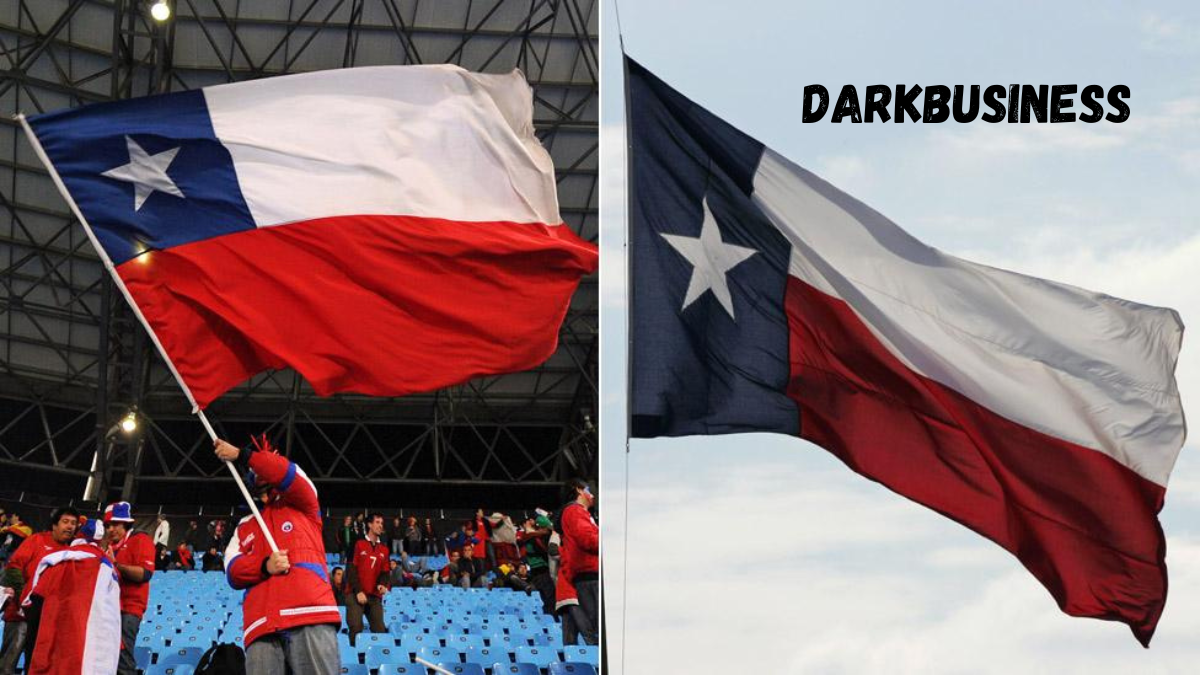
The Chile flag features a simple yet striking layout composed of two horizontal bands. The top band is divided into a blue square on the hoist side and a white rectangle extending to the fly end, while the bottom band is entirely red. This balanced structure creates visual harmony and immediate recognition.
Officially, the flag follows precise proportions to ensure consistency across all uses, from government buildings to international events. The placement of elements is carefully regulated, emphasizing the importance of uniformity and respect in representing the nation.
Colors of the Chile Flag
The colors of the Chile flag—blue, white, and red—are not chosen for decoration alone. Each color carries deep meaning connected to the country’s geography and history. The blue represents the sky and the Pacific Ocean, both vital elements of Chile’s natural environment.
White symbolizes the snow-covered Andes Mountains, which run along the country’s eastern border and have long served as a natural protector. Red represents the blood shed by patriots during the struggle for independence, reminding citizens of the sacrifices made to secure freedom.
The Lone Star (La Estrella Solitaria)
The single white star within the blue square is the most distinctive feature of the Chile flag. Known as La Estrella Solitaria, it symbolizes unity, guidance, and honor. Unlike flags with multiple stars, Chile’s single star emphasizes national cohesion rather than regional division.
The star is also interpreted as representing the unity of the executive, legislative, and judicial powers. Its prominent placement ensures that it remains a focal point, reinforcing ideals of balance, direction, and national integrity.
Symbolism and Meaning

Meaning of the Colors
Each color of the Chile flag works together to tell a story of land, struggle, and hope. Blue connects the nation to its vast skies and oceanic horizons, symbolizing opportunity and freedom. White reflects purity, peace, and the majestic Andes, which have shaped Chile’s climate and culture.
Red, perhaps the most emotionally powerful color, serves as a permanent reminder of the courage and sacrifice of those who fought for independence. Together, these colors create a narrative that blends natural beauty with historical resilience.
Symbolic Interpretation of the Star
The lone star carries multiple layers of meaning. Traditionally, it represents guidance, similar to a guiding star leading the nation forward. Politically, it symbolizes unity and the balance of power within the state, reinforcing democratic values and national stability.
Culturally, the star has become a symbol of pride and recognition. It distinguishes the Chile flag from others and has become a shorthand representation of the nation itself in international contexts.
Cultural and Emotional Significance
For Chileans, the flag is not just a symbol of the state but an emotional anchor. It appears in schools, homes, and public spaces, fostering a sense of belonging and shared identity. During moments of national triumph or hardship, the flag serves as a reminder of collective strength.
This emotional connection ensures that the flag remains relevant across generations. It is taught in schools, celebrated in ceremonies, and respected as a sacred national symbol.
Chile Flag in Culture and Daily Life
Use During National Holidays
The Chile flag is especially prominent during national holidays, particularly Independence Day celebrations in September. Streets, homes, and public buildings are adorned with flags, creating a powerful visual expression of patriotism and unity.
These displays reinforce national pride and educate younger generations about the importance of the flag. The widespread use during celebrations strengthens the emotional bond between citizens and their national symbol.
Flag Etiquette and Protocol
Chile has clear rules regarding the proper display and handling of its flag. It must be flown in good condition, raised respectfully, and displayed correctly according to official guidelines. These protocols reflect the high level of respect afforded to the national emblem.
Following flag etiquette is seen as a civic duty, reinforcing shared values of respect, responsibility, and national pride.
Representation in Sports and Media
In international sports, the Chile flag is a powerful symbol of representation. Athletes proudly wear it on their uniforms, and fans wave it during competitions, showcasing national identity on the global stage.
The flag also appears in art, music, film, and digital media, ensuring its continued relevance in modern cultural expression.
Conclusion
The Chile flag is far more than a simple combination of colors and shapes. It is a living symbol of history, sacrifice, unity, and national pride. From its origins in the independence movement to its role in modern culture, the flag reflects the values and identity of the Chilean people.
By preserving its original design and honoring its symbolism, Chile continues to celebrate its past while looking confidently toward the future. The Chile flag remains a powerful reminder of where the nation has been and what it stands for today.
Frequently Asked Questions
What does the Chile flag symbolize?
It represents Chile’s geography, independence, unity, and national pride.
When was the Chile flag officially adopted?
The modern flag was adopted in 1817.
Why does the Chile flag have only one star?
The single star symbolizes unity, guidance, and the balance of state powers.
What do the colors of the Chile flag mean?
Blue represents the sky and ocean, white symbolizes the Andes, and red honors those who fought for independence.
Is the Chile flag similar to the Texas flag?
They share visual similarities, but their meanings, proportions, and historical contexts are different.
How should the Chile flag be displayed properly?
It should be displayed respectfully, following official guidelines for position, condition, and timing.
Has the Chile flag ever changed?
Its core design has remained largely unchanged since its adoption, reflecting strong historical continuity.
Also Read: rich rodriguez