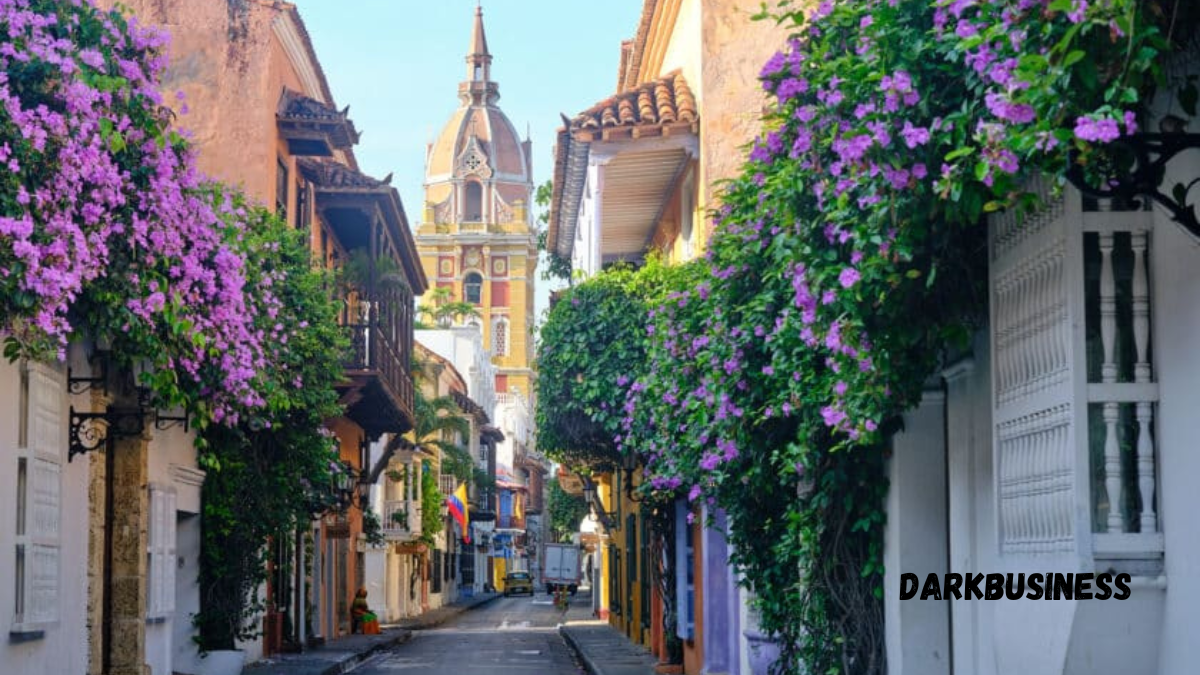
Cartagena Colombia, a jewel of the Caribbean coast, is renowned for its vibrant culture, colonial architecture, and picturesque beaches. This city, officially known as Cartagena de Indias, is not only a historical hub but also a contemporary hotspot for travelers seeking a blend of history, culture, and leisure. Its colorful streets, bustling plazas, and scenic waterfront make it a dream destination for tourists from around the globe. Situated on the northern coast of Colombia, Cartagena serves as both a cultural gateway and a tropical retreat.
Visitors are drawn to Cartagena Colombia for many reasons: its UNESCO-listed Walled City, stunning Caribbean beaches, and rich cultural heritage. Beyond its aesthetic charm, the city offers a lively atmosphere filled with music, dance, and culinary delights. Cartagena’s location also provides easy access to nearby islands and natural reserves, making it ideal for both relaxation and adventure. Tourists can explore historical sites during the day and enjoy vibrant nightlife by evening, offering a comprehensive travel experience.
This guide aims to provide an extensive overview of Cartagena Colombia, covering its history, top attractions, beaches, cuisine, accommodations, and practical travel tips. By the end of this article, readers will gain valuable insights into planning a memorable visit, discovering hidden gems, and experiencing the city like a local. Whether you are a history enthusiast, a beach lover, or a foodie, Cartagena offers something for everyone. With careful planning and local guidance, your trip to Cartagena can be both enriching and unforgettable.
History and Cultural Heritage of Cartagena Colombia
The history of Cartagena Colombia dates back to its founding in 1533 by Spanish explorer Pedro de Heredia. Its strategic location along the Caribbean made it a critical port for the Spanish Empire, particularly for gold and silver shipments from the Americas to Europe. Over centuries, the city faced numerous pirate attacks, which led to the construction of formidable fortifications such as the Castillo de San Felipe de Barajas. Today, these fortresses remain a testament to Cartagena’s resilient and rich historical legacy.
Cartagena’s Walled City, officially declared a UNESCO World Heritage site in 1984, is the cultural heart of the city. Cobblestone streets, colonial-era plazas, and colorful buildings with wooden balconies transport visitors back in time. The blend of African, Indigenous, and Spanish influences is evident in the architecture, music, and art found throughout the city. Festivals and traditional events showcase these diverse cultural roots, from the lively Carnival de Cartagena to folk music performances that echo the city’s rich heritage.
The city’s museums and churches further highlight its historical significance. Institutions like the Museo del Oro Zenú offer insight into pre-Colombian civilizations, while religious landmarks like the Cathedral of Cartagena reflect colonial architectural brilliance. The neighborhoods themselves, particularly Getsemaní, exude a cultural vibrancy through street art, live music, and traditional dance. Understanding Cartagena’s past enriches any travel experience, allowing visitors to appreciate not just its beauty but the stories behind its walls and streets.
Top Attractions and Things to Do in Cartagena Colombia
Cartagena Colombia is packed with attractions that appeal to a wide variety of travelers. The Walled City, with its labyrinth of streets and plazas, is an unmissable destination. Walking through this historic core allows visitors to admire colonial architecture, discover artisan shops, and experience the city’s local rhythm. Plazas like Plaza Santo Domingo are perfect spots for people-watching while enjoying local street performances or sampling snacks from nearby cafés.
The Castillo de San Felipe de Barajas is another must-visit landmark. This fortress, perched atop a hill, is an engineering marvel and offers panoramic views of the city and harbor. Exploring its tunnels, battlements, and historic cannons provides insight into Cartagena’s defense strategies against pirates and invading forces. Similarly, other forts and historical landmarks across the city narrate tales of resilience and strategic importance during colonial times.
Getsemaní, a vibrant neighborhood adjacent to the Old Town, is known for its street art, cafés, and lively nightlife. Here, travelers can witness a fusion of contemporary creativity and traditional Colombian culture. Museums, cultural centers, and guided walking tours provide deeper insights into the city’s history and modern-day life. For those seeking leisure, Cartagena’s beaches and nearby islands offer an ideal escape for swimming, snorkeling, and sunbathing. With a mix of history, culture, and recreation, the city ensures every traveler finds something memorable to do.
Beaches, Islands, and Natural Beauty Around Cartagena Colombia
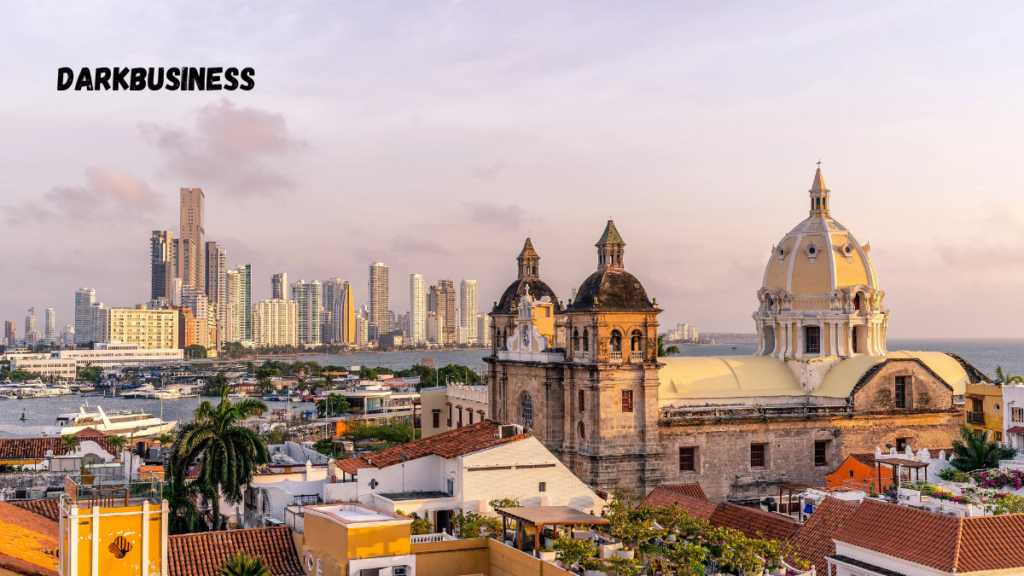
While the city itself is captivating, Cartagena Colombia’s natural beauty extends to its surrounding beaches and islands. Urban beaches, such as Bocagrande, provide convenient access to the sea along with amenities like restaurants, bars, and water sports rentals. These beaches are perfect for travelers seeking convenience without straying far from the city. The golden sands and turquoise waters offer a refreshing respite from city exploration.
For those seeking a more serene experience, the Rosario Islands and other nearby archipelagos are ideal. These islands feature crystal-clear waters, coral reefs, and pristine beaches, making them perfect for snorkeling, diving, and exploring marine life. Many tours include day trips with boat rides, giving visitors the opportunity to enjoy both adventure and relaxation. Eco-tourism is also gaining popularity, with guided tours highlighting the region’s biodiversity, mangroves, and tropical wildlife.
Timing is crucial for a perfect beach experience in Cartagena. The dry season, from December to April, offers sunny days and calm seas, ideal for swimming and outdoor activities. Travelers should also consider local tides and weather patterns to optimize their visit. From bustling city beaches to secluded island paradises, Cartagena offers a diverse coastal experience, catering to both leisurely sunbathers and adventure seekers.
Food, Cuisine, and Local Dining in Cartagena Colombia
Cartagena Colombia is a culinary haven, blending Caribbean flavors with traditional Colombian dishes. Local cuisine emphasizes fresh seafood, tropical fruits, and aromatic spices. Dishes like ceviche, coconut rice with fish, and arepas are staples for visitors wanting an authentic taste of the region. Street food culture is equally vibrant, with vendors offering empanadas, fried fish, and other regional specialties that can be enjoyed while exploring the city.
Seafood is central to Cartagena’s culinary identity. Fresh catches from the Caribbean are prepared in traditional ways, often incorporating coconut milk, plantains, and local herbs. Popular dining areas include the Old Town, where historic charm meets modern gastronomy, and Bocagrande, offering beachfront restaurants with panoramic sea views. Dining etiquette in Cartagena is generally relaxed, but sampling local dishes and engaging with vendors adds to the immersive experience.
Markets and food tours also provide a deeper understanding of the city’s flavors. Mercado de Bazurto, though bustling, showcases a variety of local ingredients and street delicacies. Food enthusiasts can join guided culinary tours to explore hidden gems, learn cooking techniques, and experience Colombian hospitality firsthand. From casual street bites to fine dining, Cartagena’s food scene is an adventure for the senses.
Where to Stay in Cartagena Colombia
Choosing the right accommodation in Cartagena Colombia enhances the travel experience significantly. The Walled City offers boutique hotels and historic properties, allowing visitors to stay within walking distance of major attractions. These accommodations are ideal for travelers seeking charm, history, and a sense of immersion in local culture. Meanwhile, Bocagrande offers modern hotels and beachfront resorts, suitable for families and travelers seeking convenience and luxury.
Luxury options in Cartagena range from all-inclusive resorts to boutique stays with personalized services. Budget travelers can find hostels and guesthouses in Getsemaní and other neighborhoods, providing a social atmosphere and affordable rates. Urban beaches and island resorts provide unique experiences for travelers preferring proximity to nature and the sea. Considerations such as proximity to attractions, safety, and amenities should guide accommodation choices.
Neighborhoods vary widely in ambiance and offerings. The Old Town and Getsemaní are ideal for cultural immersion, while Bocagrande and Castillogrande offer modernity and beach access. Understanding local transportation, distances, and nearby services ensures a convenient and enjoyable stay. Ultimately, Cartagena provides diverse lodging options that cater to every preference and budget, making it accessible for all types of travelers.
Travel Tips and Practical Information for Cartagena Colombia
Traveling to Cartagena Colombia is best planned with a few practical considerations in mind. The city enjoys a tropical climate, with the dry season from December to April being optimal for sightseeing and beach activities. Safety is generally good in tourist areas, but common precautions such as avoiding isolated streets at night and safeguarding valuables are recommended. Visitors should also be aware of local customs and cultural norms to ensure a respectful and immersive experience.
Transportation within Cartagena includes taxis, buses, and walking, especially within the Old Town. Renting a bicycle or using ride-hailing apps can also be convenient for short distances. Currency is Colombian Peso (COP), and while credit cards are widely accepted, carrying cash is useful for small purchases and markets. Budgeting for accommodation, dining, and tours is essential, with options available for various spending levels.
Language considerations are also important. While Spanish is the official language, many locals in tourist areas speak basic English. Learning a few common phrases enhances interactions and demonstrates respect for local culture. By planning ahead and staying informed, travelers can navigate Cartagena Colombia with ease, enjoying a smooth and memorable journey through the city’s rich history, vibrant culture, and stunning landscapes.
Conclusion
Cartagena Colombia is a destination where history, culture, natural beauty, and modern leisure converge. From the cobblestone streets of the Walled City to the tranquil beaches of nearby islands, it offers a multifaceted experience for travelers of all types. The city’s rich heritage, flavorful cuisine, vibrant nightlife, and welcoming locals create an immersive environment that leaves a lasting impression. Planning a trip with consideration of attractions, accommodations, and practical tips ensures a fulfilling visit. Cartagena is not just a destination—it is an experience that engages the senses, educates the mind, and inspires the soul.
Frequently Asked Questions
Is Cartagena Colombia safe for tourists?
Yes, especially in popular tourist areas. Common safety precautions are advised.
What is the best time of year to visit Cartagena Colombia?
The dry season, from December to April, offers the most comfortable weather for sightseeing and beach activities.
How many days are enough to explore Cartagena Colombia?
A 3–5 day itinerary covers major attractions, while 7 days allows for nearby island excursions.
Do I need to speak Spanish to travel in Cartagena Colombia?
Basic Spanish helps, but English is understood in tourist areas.
Are the beaches in Cartagena Colombia good for swimming?
Yes, both city beaches and nearby islands provide safe swimming conditions.
What are the best day trips from Cartagena Colombia?
The Rosario Islands, Playa Blanca, and mangrove tours offer excellent day trip options.
Is Cartagena Colombia expensive for travelers?
Costs vary. Budget options are available alongside luxury accommodations, making it accessible to a wide range of travelers.
Also Read: killdeer