
frys electronics was once a paradise for tech enthusiasts, engineers, gamers, and everyday consumers looking for cutting-edge gadgets and electronic components. At a time when online shopping had not yet dominated the retail space, walking into a Frys store felt like entering a futuristic marketplace filled with endless possibilities. From computer parts and televisions to quirky gadgets and rare electronic components, the brand carved out a unique identity in the competitive retail landscape. It wasn’t just a store—it was an experience that blended innovation, creativity, and convenience under one roof.
Over the years, Frys Electronics built a loyal following thanks to its vast inventory and immersive store environments. However, like many traditional retailers, it faced increasing pressure from the rapid evolution of e-commerce and changing consumer habits. The story of Frys Electronics is not just about success but also about adaptation, missed opportunities, and lessons for modern businesses. This article explores the full journey of Frys Electronics—from its early beginnings and golden years to its eventual closure and lasting impact on the tech retail industry.
What Was Frys Electronics?
Frys Electronics was founded in 1985 in Silicon Valley, the heart of technological innovation. The company started with a clear vision: to create a one-stop destination where customers could find everything related to electronics. Unlike traditional retail stores, Frys focused heavily on catering to tech-savvy individuals who needed specialized components, making it a favorite among engineers and hobbyists. Its early success was driven by its ability to understand the needs of a rapidly growing tech community.
One of the most distinctive features of Frys Electronics was its themed store designs. Each location had a unique concept, ranging from ancient Egyptian motifs to sci-fi-inspired interiors. These creative environments transformed shopping into an adventure, encouraging customers to spend more time exploring the store. Combined with an extensive product range that included everything from microchips to home appliances, Frys offered a shopping experience that was both entertaining and highly practical.
Another defining characteristic of Frys Electronics was its focus on variety and availability. Customers could walk in and find items that were often unavailable elsewhere, including niche components and newly released tech products. This made the brand particularly valuable for professionals working on specialized projects. By blending creativity, accessibility, and technical depth, Frys Electronics established itself as a cornerstone of the electronics retail world.
The Rise of Frys Electronics
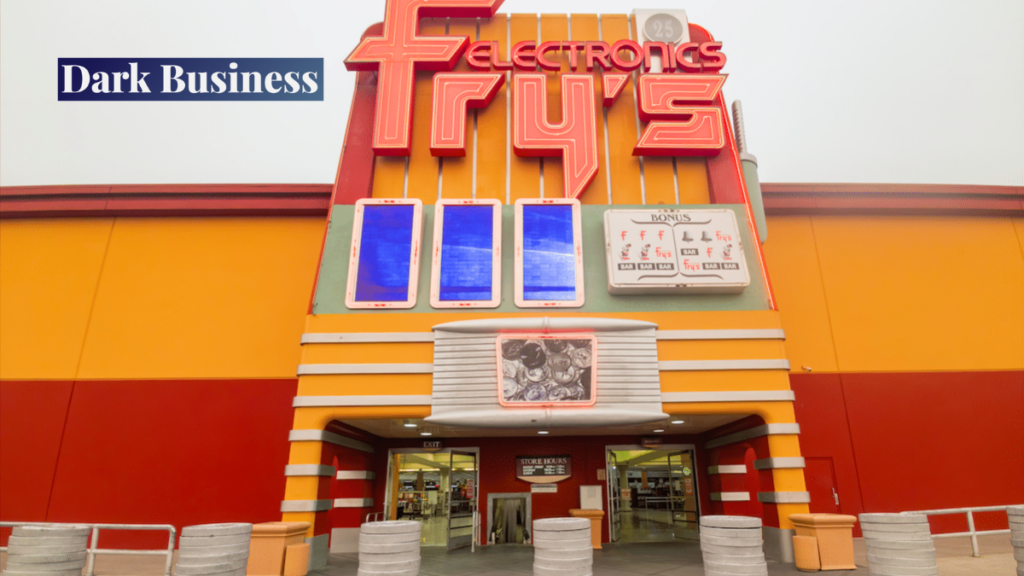
The rise of Frys Electronics coincided with the rapid growth of the technology industry in the late 20th and early 21st centuries. As personal computers became household essentials and digital devices gained popularity, the demand for electronics surged. Frys capitalized on this trend by expanding its presence across multiple states in the United States, opening large-format stores that could accommodate its massive inventory. These stores quickly became destinations for anyone interested in technology.
A key factor behind the company’s success was its competitive pricing strategy. Frys often offered lower prices than its competitors, attracting budget-conscious shoppers without compromising on product variety. In addition, the ability to physically examine products before purchasing gave it an edge over early online retailers. Customers appreciated the hands-on experience, especially when buying complex items like computer hardware or home entertainment systems.
Frys Electronics also built a strong reputation within tech communities. It became a hub for DIY enthusiasts who needed components for custom-built computers and electronic projects. Word-of-mouth recommendations and a loyal customer base helped sustain its growth for many years. During its peak, Frys was more than just a retailer—it was a cultural icon within the tech world, symbolizing innovation, accessibility, and excitement.
Challenges Faced by Frys Electronics
Despite its early success, Frys Electronics began to face significant challenges as the retail landscape evolved. The rise of e-commerce giants fundamentally changed how consumers shopped for electronics. Online platforms offered convenience, competitive pricing, and fast delivery, making it increasingly difficult for brick-and-mortar stores to compete. Frys struggled to adapt to this shift, particularly in developing a strong online presence.
Another major issue was inventory management. Customers began noticing empty shelves and limited product availability in many stores. These problems were often attributed to strained relationships with suppliers and a shift toward a consignment-based business model. As inventory levels declined, the overall shopping experience suffered, leading to decreased customer satisfaction and reduced foot traffic.
Management and strategic decisions also played a role in the company’s decline. While competitors invested heavily in digital transformation and omnichannel retail strategies, Frys lagged behind. The lack of innovation and failure to modernize operations made it difficult for the company to stay relevant in an increasingly competitive market. These challenges gradually eroded its market position, setting the stage for its eventual downfall.
The Closure of Frys Electronics
The closure of Frys Electronics marked the end of an era for tech retail. In February 2021, the company officially announced that it would cease operations and shut down all of its stores. The decision was attributed to a combination of factors, including the impact of the COVID-19 pandemic and long-standing financial difficulties. For many loyal customers, the news came as a shock, even though signs of decline had been visible for years.
The pandemic accelerated existing challenges by reducing in-store traffic and disrupting supply chains. With fewer customers visiting physical locations and increased reliance on online shopping, Frys found it nearly impossible to sustain its business model. The sudden closure left employees without jobs and communities without a beloved tech destination. It also highlighted the vulnerability of traditional retailers in the face of rapid technological change.
Customer reactions to the closure were filled with nostalgia and disappointment. Many people shared memories of spending hours exploring the aisles, discovering new gadgets, and working on personal projects. The loss of Frys Electronics was not just about the disappearance of a store—it represented the end of a unique retail experience that could not be easily replicated in the digital age.
Legacy and Impact on the Tech Retail Industry
Frys Electronics left a lasting legacy in the world of technology and retail. It played a significant role in popularizing DIY computer building and making electronic components accessible to a broader audience. For many aspiring engineers and tech enthusiasts, Frys was a starting point for learning and experimentation. Its influence can still be seen in the thriving communities of hobbyists and makers today.
The company also demonstrated the importance of creating an engaging customer experience. Its themed stores and extensive product offerings set a benchmark for immersive retail environments. While modern retailers may not replicate these exact concepts, the emphasis on customer engagement remains a key takeaway from Frys’ success.
At the same time, the decline of Frys Electronics serves as a cautionary tale for businesses. It underscores the need for continuous innovation, adaptability, and investment in digital transformation. Retailers that fail to evolve with changing consumer preferences risk becoming obsolete, regardless of their past success. In this sense, the story of Frys Electronics is both inspiring and instructive.
Best Alternatives to Frys Electronics
After the closure of Frys Electronics, many customers began searching for alternative places to buy electronics. Online platforms quickly filled the gap, offering a wide range of products and convenient shopping experiences. These platforms provide detailed product descriptions, customer reviews, and fast shipping options, making them a popular choice for modern consumers.
Physical retail stores still play an important role, especially for customers who prefer to see and test products before purchasing. Major electronics chains and local specialty shops continue to offer personalized service and immediate availability. While they may not replicate the scale and uniqueness of Frys, they provide valuable options for those who value in-store experiences.
Ultimately, the shift toward online shopping has reshaped the electronics retail landscape. However, the demand for reliable and diverse tech products remains strong. By combining the strengths of online and offline retail, modern businesses can create a balanced approach that meets the needs of today’s consumers.
Will Frys Electronics Ever Come Back?
The possibility of Frys Electronics making a comeback is a topic of ongoing speculation. While there have been occasional rumors about a revival, there is no concrete evidence to suggest that the brand will return. Relaunching a business of this scale would require significant investment, strategic planning, and a clear vision for competing in today’s market.
The future of electronics retail is likely to be shaped by hybrid models that combine online convenience with physical experiences. Retailers are increasingly focusing on creating seamless shopping journeys that integrate digital and in-store interactions. This approach reflects the evolving preferences of consumers who value both efficiency and engagement.
Even if Frys Electronics never returns, its impact will not be forgotten. The brand remains a symbol of a unique era in tech retail, reminding us of the excitement and discovery that defined the early days of consumer electronics shopping.
Conclusion
Frys Electronics was more than just a store—it was a cultural phenomenon that captured the imagination of tech enthusiasts and everyday consumers alike. From its innovative beginnings and rapid growth to its eventual decline and closure, the company’s journey offers valuable insights into the dynamics of the retail industry. Its legacy continues to influence how we think about technology, shopping, and customer experience.
Frequently Asked Questions
What was Frys Electronics known for?
Frys Electronics was known for its massive selection of electronics, unique themed stores, and appeal to tech enthusiasts and professionals.
Why did Frys Electronics go out of business?
The company struggled with competition from online retailers, inventory issues, and a lack of digital adaptation, which ultimately led to its closure.
When did Frys Electronics officially close?
Frys Electronics officially shut down all operations in February 2021.
Are there any stores similar to Frys Electronics today?
While no store fully replicates Frys, several online platforms and physical electronics retailers offer similar products and services.
Can you still buy products from Frys Electronics online?
No, Frys Electronics no longer operates either physical stores or an online platform.
What made Frys Electronics unique compared to competitors?
Its themed store designs, extensive product range, and focus on tech enthusiasts set it apart from other retailers.
Will Frys Electronics ever reopen in the future?
There is currently no confirmed plan for the brand to return, though it remains a topic of speculation.
Also Read: doordash gift card