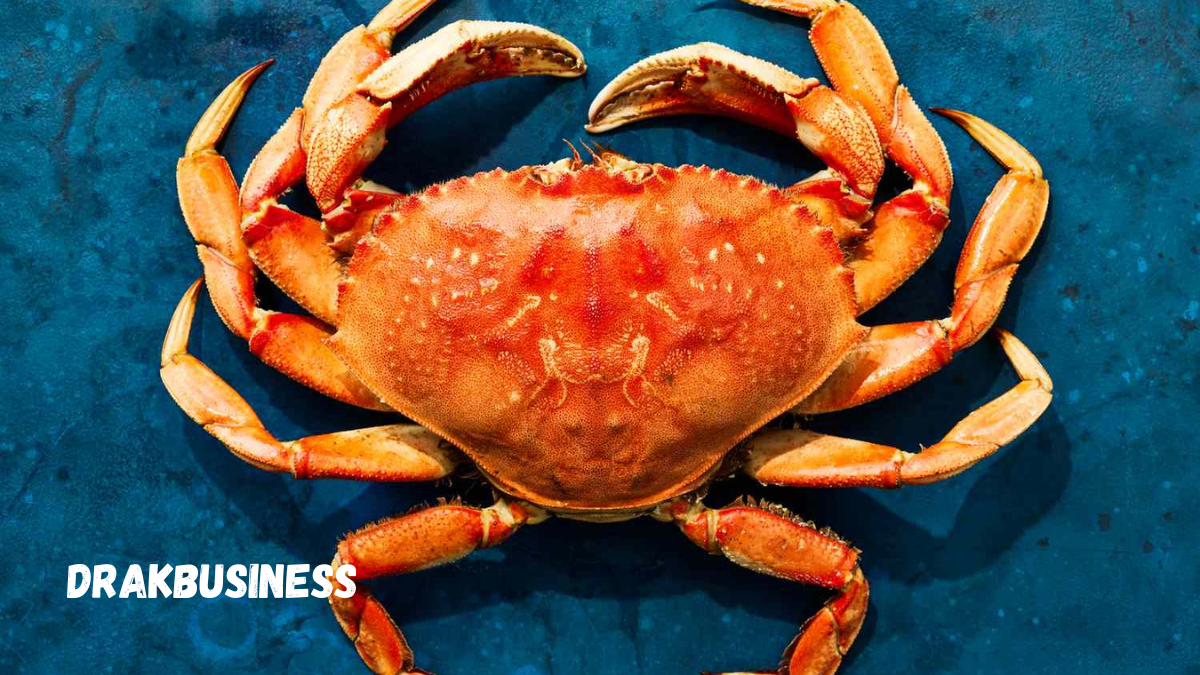
Dungeness crab is widely celebrated as one of the most flavorful and sought-after seafood delicacies in North America, particularly along the West Coast of the United States. Known for its sweet, tender meat and rich culinary versatility, this crab has earned a special place in both home kitchens and high-end restaurants. Whether enjoyed simply steamed with butter or incorporated into elaborate gourmet dishes, Dungeness consistently delivers a memorable dining experience. Its popularity extends beyond taste, as it also represents a cultural and economic cornerstone for many coastal communities.
What makes Dungeness crab especially appealing is the balance it strikes between luxury and accessibility. Unlike some premium seafood options that feel reserved for special occasions only, Dungeness is commonly available during its season and can be prepared in a variety of straightforward ways. This accessibility has helped it become a favorite for seafood lovers who value both quality and tradition. From family crab boils to festive coastal celebrations, it often plays a starring role at the table.
This in-depth guide explores every essential aspect of Dungeness crab, from its natural habitat and flavor profile to its nutritional value and sustainability. By the end of this article, readers will have a complete understanding of why Dungeness is so highly regarded and how to choose, prepare, and enjoy it responsibly.
What Is Dungeness Crab?
Dungeness crab is a species of crab native to the Pacific Ocean, particularly along the western coastline of North America. It is recognized for its relatively large body, hard shell, and broad claws that contain a generous amount of meat. The crab typically has a brownish to purplish shell, with lighter undersides, making it easy to identify for both commercial fishers and recreational crabbers. Its size and meat yield contribute significantly to its commercial value.
One of the defining features of Dungeness crab is the quality of its meat. Unlike some crab species that offer large claws but less body meat, Dungeness provides a balanced distribution. The meat is moist, slightly sweet, and delicately flaky, making it ideal for a wide range of recipes. This balance of texture and flavor is one of the main reasons it is preferred by chefs and seafood enthusiasts alike.
In comparison to other popular crab varieties, Dungeness crab is often considered more refined in taste. While king crab is known for its massive legs and snow crab for its mild sweetness, Dungeness offers a deeper, richer flavor that stands out even with minimal seasoning. This natural taste allows it to shine in both simple and complex dishes, reinforcing its reputation as a premium seafood choice.
Natural Habitat and Distribution
Dungeness crab is primarily found in the cold, nutrient-rich waters of the Pacific Ocean. Its range extends from the southern coast of Alaska down to California, with the highest populations concentrated along the coasts of Washington, Oregon, and Northern California. These regions provide the sandy and muddy ocean floors that Dungeness prefers for burrowing and feeding. The abundance of food in these waters supports healthy crab populations year after year.
The crab’s habitat plays a crucial role in its flavor and overall quality. Cold water temperatures slow the crab’s growth, allowing the meat to develop a firmer texture and more pronounced taste. This is one reason why Dungeness crab from colder northern waters is often considered especially desirable. Seasonal changes also influence where crabs are found, as they migrate to deeper waters during certain times of the year.
Environmental conditions such as water temperature, salinity, and ocean currents directly affect Dungeness crab populations. Changes in these conditions can impact migration patterns and availability, which in turn influences commercial harvests. Understanding this natural habitat helps consumers appreciate why Dungeness crab seasons are carefully regulated and why freshness is closely tied to where and when the crab is caught.
Dungeness Crab Season and Availability
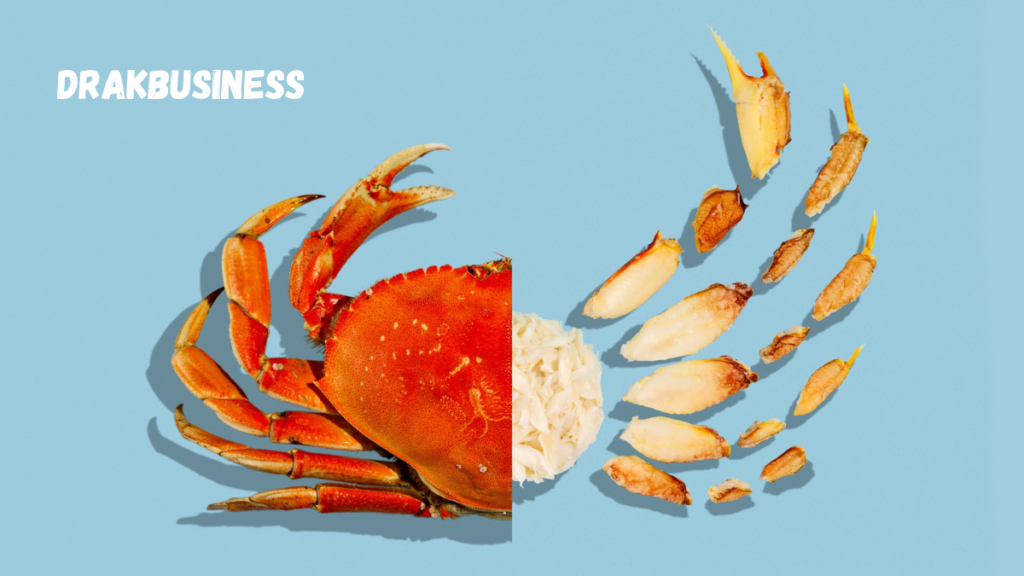
Dungeness crab is most commonly available during specific harvesting seasons that vary by region. On the U.S. West Coast, the primary commercial season typically runs from late fall through early summer, with slight differences depending on local regulations. These seasons are designed to protect crab populations by avoiding harvesting during molting and breeding periods. As a result, the crab available during peak season is usually of the highest quality.
Seasonality has a direct impact on both flavor and price. During peak months, Dungeness crab is abundant, fresher, and often more affordable. Outside of these periods, availability may be limited, and prices can rise due to increased demand and reduced supply. Many seafood enthusiasts plan their meals around the season to enjoy the crab at its best.
Fresh Dungeness crab is highly prized, but frozen options are also widely available. When properly processed and stored, frozen crab can retain much of its flavor and texture. This allows consumers to enjoy Dungeness crab year-round, even if it is not freshly harvested. Knowing the season helps buyers make informed decisions about quality, cost, and preparation methods.
Taste, Texture, and Culinary Appeal
The taste of Dungeness crab is often described as sweet, buttery, and slightly nutty. Its meat has a natural richness that does not require heavy seasoning, making it ideal for simple preparations that highlight its flavor. The texture is tender yet firm, offering a satisfying bite without being tough or stringy. This combination makes it appealing to both casual diners and professional chefs.
Culinary versatility is another reason for its widespread popularity. Dungeness crab can be boiled, steamed, roasted, or incorporated into dishes such as crab cakes, pasta, soups, and salads. It pairs well with a variety of ingredients, including garlic, lemon, herbs, and light sauces. This adaptability allows it to fit seamlessly into many cuisines, from classic American seafood dishes to international recipes.
Compared to other crab varieties, Dungeness crab is often considered more balanced. It lacks the overwhelming size of king crab but compensates with superior flavor and moisture. This makes it especially appealing for recipes where the crab is the star ingredient rather than just a component. Its culinary appeal lies in its ability to elevate a dish without overpowering it.
Nutritional Value and Health Benefits
Dungeness crab is not only delicious but also highly nutritious. It is an excellent source of lean protein, making it a great option for those seeking a healthy, low-fat protein source. The meat is naturally low in calories while still providing essential nutrients that support overall health. This balance makes it suitable for a wide range of diets.
In addition to protein, Dungeness crab contains important vitamins and minerals such as vitamin B12, zinc, and selenium. Vitamin B12 supports nerve function and energy production, while zinc plays a role in immune health. Selenium acts as an antioxidant, helping protect cells from damage. These nutrients contribute to the crab’s reputation as a wholesome seafood choice.
Regular consumption of Dungeness crab can support heart health due to its omega-3 fatty acid content. These healthy fats are known to reduce inflammation and support cardiovascular function. While shellfish allergies should always be considered, for most people, Dungeness crab is a nutritious and beneficial addition to a balanced diet.
Conclusion
Dungeness crab stands out as one of the most beloved seafood options on the West Coast and beyond. Its exceptional flavor, tender texture, and impressive nutritional profile make it a favorite among seafood lovers. From its natural habitat in cold Pacific waters to its role in coastal traditions, Dungeness crab represents a unique blend of taste, culture, and sustainability.
Understanding its seasonality, preparation methods, and health benefits allows consumers to fully appreciate what makes Dungeness crab so special. Whether enjoyed at a restaurant or prepared at home, it offers a culinary experience that is both satisfying and memorable. By choosing responsibly sourced crab and respecting fishing regulations, seafood enthusiasts can continue to enjoy this delicacy for generations to come.
Frequently Asked Questions
What does Dungeness crab taste like?
Dungeness crab has a sweet, buttery flavor with a tender and moist texture.
When is the best time to buy Dungeness crab?
The best time is during peak season, typically from late fall through early summer, depending on the region.
Is Dungeness crab healthy to eat?
Yes, it is high in protein, low in fat, and rich in essential vitamins and minerals.
How long does cooked Dungeness crab last?
Cooked crab can last up to three to five days in the refrigerator when stored properly.
Can Dungeness crab be frozen?
Yes, it can be frozen and still retain good flavor and texture if handled correctly.
What is the difference between Dungeness crab and snow crab?
Dungeness crab has sweeter, more tender meat, while snow crab is milder and stringier in texture.
Also Read: kielbasa