A wedding dress bustle may seem like a small alteration detail, but it plays a powerful role in shaping your overall bridal experience. While the train of your gown creates that dramatic, aisle-worthy moment during the ceremony, it can quickly become difficult to manage during the reception. This is where a wedding dress bustle becomes essential. Designed to lift and secure the train, a bustle transforms your gown from flowing elegance to functional comfort—without sacrificing beauty. Brides who overlook this detail often find themselves struggling to dance, walk, or mingle comfortably after the vows.
Beyond practicality, a wedding dress bustle enhances the silhouette of your gown in new and exciting ways. When properly designed, it can add volume, texture, and shape to the back of the dress. In many cases, bustling reveals intricate lace, buttonwork, or fabric layers that were hidden when the train flowed freely. This dual-purpose feature allows brides to enjoy both ceremony glamour and reception freedom. Understanding bustle styles, alteration timelines, and cost considerations ensures you make a confident, informed choice that complements your wedding vision.
What Is a Wedding Dress Bustle?
A wedding dress bustle is a series of hooks, buttons, ribbons, or ties sewn into the back of a gown to lift the train off the floor after the ceremony. Its primary purpose is to prevent damage to delicate fabrics and allow the bride to move comfortably throughout the celebration. Without a bustle, long trains can become dirty, torn, or stepped on by guests. Seamstresses carefully design the bustle to blend seamlessly into the gown’s structure, making it nearly invisible when not in use.
Historically, the concept of a bustle dates back to the Victorian era, when elaborate back structures were used to create dramatic volume in dresses. While modern bridal bustles are far more subtle and functional, the inspiration remains rooted in enhancing the gown’s shape. Today’s wedding dress bustle is designed with both aesthetics and practicality in mind. Instead of bulky understructures, contemporary bustles rely on discreet fastening points that maintain the integrity of the dress’s original design.
The right bustle preserves the elegance of your gown while adapting it for movement. Whether you choose an understated under-bustle or a dramatic over-bustle, the goal is the same: effortless transition from ceremony sophistication to reception celebration.
Types of Wedding Dress Bustles
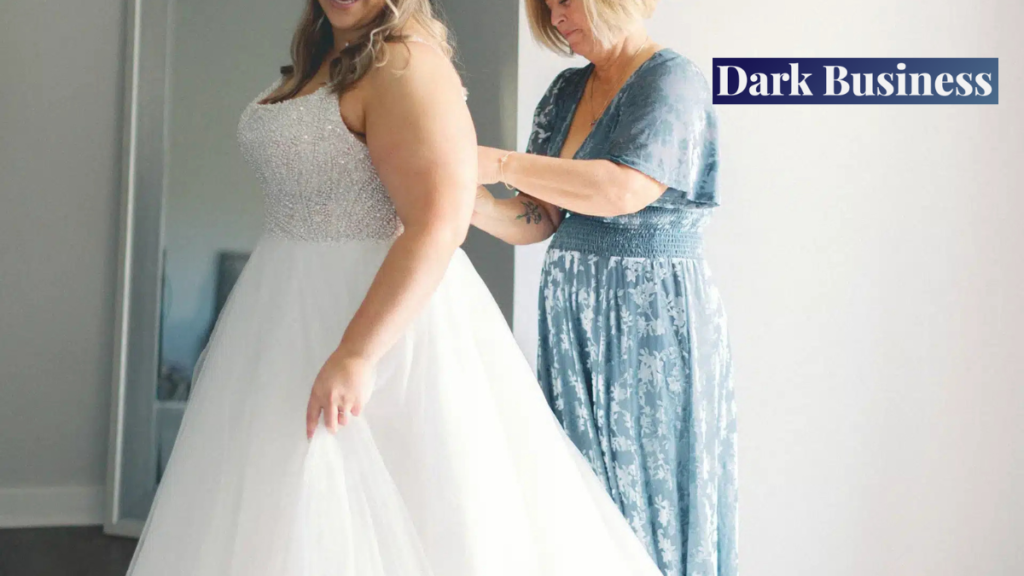
There are several types of wedding dress bustle styles, each offering a distinct look and level of support. The American bustle, also known as the over-bustle, is one of the most popular choices. In this style, the train is lifted and fastened over the back of the dress using buttons or hooks. It works beautifully for ball gowns and A-line dresses, creating soft folds that add volume and elegance. Brides love it for its classic appearance and relatively simple construction.
The French bustle, or under-bustle, creates a seamless and tucked-in look. Instead of folding the train over the dress, it is gathered underneath and secured from below. This style is ideal for fitted silhouettes like mermaid or trumpet gowns because it maintains the dress’s natural lines. The result is a smooth, sculpted finish that appears intentional and polished. French bustles often require multiple attachment points to ensure even distribution of weight.
Other popular options include the ballroom bustle, which hides the train completely for a floor-length appearance, and the Austrian bustle, which gathers fabric vertically for a romantic draped effect. Each wedding dress bustle style offers unique visual and functional benefits, making professional guidance essential when choosing the right one.
Choosing the Right Wedding Dress Bustle
Selecting the ideal wedding dress bustle depends largely on your gown’s silhouette. Mermaid and trumpet dresses typically pair best with French bustles because they maintain the sleek shape of the skirt. Ball gowns, on the other hand, look stunning with American or ballroom bustles that enhance their fullness. A-line dresses offer versatility, working well with either style depending on the bride’s aesthetic preference.
Train length is another critical factor. Sweep trains may require minimal bustling, while chapel and cathedral trains demand more structured support. The longer and heavier the train, the more attachment points will be needed. Fabric weight also plays a significant role. Lace and tulle require careful reinforcement to prevent tearing, while satin and organza may need stronger hooks to support their density.
Your wedding venue and theme also influence your decision. A beach wedding may call for a secure bustle that prevents sand damage, while a grand ballroom reception might favor a dramatic, layered look. Ultimately, the right wedding dress bustle balances design harmony with functional comfort.
Wedding Dress Bustle Alterations Process
The alteration process for a wedding dress bustle typically begins during your second or third fitting, about six to eight weeks before the wedding. Seamstresses will assess the gown’s structure, fabric weight, and train length before recommending a bustle style. During the fitting, they pin potential attachment points to demonstrate how the finished bustle will look. This step ensures you’re satisfied with both the appearance and practicality before permanent stitching begins.
Costs for adding a wedding dress bustle can vary widely, depending on complexity and the number of attachment points required. On average, brides can expect to pay anywhere from moderate to premium alteration fees, especially for elaborate cathedral trains. Dresses with multiple fabric layers often require reinforced stitching, increasing labor time and overall cost.
To avoid surprises, always ask for a detailed breakdown of alteration fees in advance. Schedule fittings early and allocate room in your bridal budget for these essential adjustments. A professionally constructed bustle not only enhances your gown’s appearance but also ensures durability throughout your celebration.
Practical Tips for Wedding Day Bustling
On your wedding day, assign at least one bridesmaid or trusted helper to manage the wedding dress bustle. During your final fitting, ask the seamstress to demonstrate exactly how the bustle is fastened. Record a video or take photos for easy reference. Practicing beforehand reduces stress and ensures a smooth transition after the ceremony.
Bustling a dress typically takes five to fifteen minutes, depending on complexity. Plan this into your timeline between the ceremony and reception entrance. If your bustle has multiple points, work methodically from top to bottom to secure each hook correctly. Rushing can lead to uneven draping or missed fastenings.
Prepare a small emergency kit with safety pins and clear thread, just in case a hook loosens. While professional bustles are designed for durability, active dancing can occasionally strain attachment points. Being prepared ensures you stay confident and carefree throughout the celebration.
Conclusion: Making the Right Wedding Dress Bustle Choice
A wedding dress bustle is more than a simple alteration—it is the key to comfort, confidence, and seamless elegance on your wedding day. From selecting the right style to scheduling timely fittings, thoughtful planning ensures your gown transitions beautifully from ceremony to reception. By understanding the different bustle types, alteration processes, and practical considerations, you empower yourself to make a choice that enhances both beauty and functionality.
Consult experienced bridal seamstresses, practice bustling ahead of time, and prioritize comfort alongside aesthetics. With the right wedding dress bustle, you can glide down the aisle with dramatic flair and dance the night away without worry.
Frequently Asked Questions
What is the best type of wedding dress bustle?
The best style depends on your dress silhouette, train length, and personal preference.
How much does a wedding dress bustle cost?
Costs vary based on complexity and fabric but are typically included in bridal alteration pricing.
Can any wedding dress have a bustle added?
Most gowns with trains can accommodate a bustle, though design adjustments may vary.
How long does it take to bustle a wedding dress?
Usually between five and fifteen minutes.
Is a French bustle better than an American bustle?
Neither is better universally—it depends on the desired look and dress style.
Who should bustle my dress on the wedding day?
A bridesmaid, maid of honor, or trusted helper should handle bustling.
What if my bustle breaks during the reception?
Use safety pins from an emergency kit or consult venue staff for quick fixes.
Do I need a bustle for a sweep train?
Not always, but it can improve mobility during the reception.
How many bustle points are needed?
This depends on train length and fabric weight.
When should I schedule bustle alterations?
Ideally six to eight weeks before your wedding day.
Also Read: imdb pro