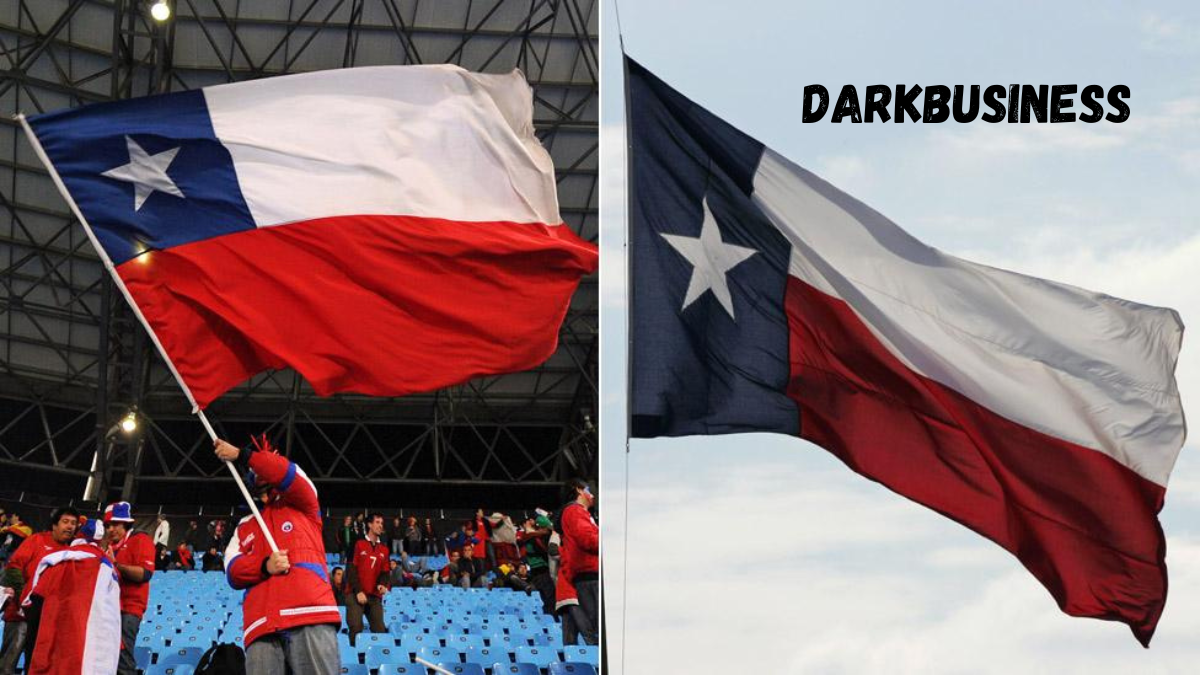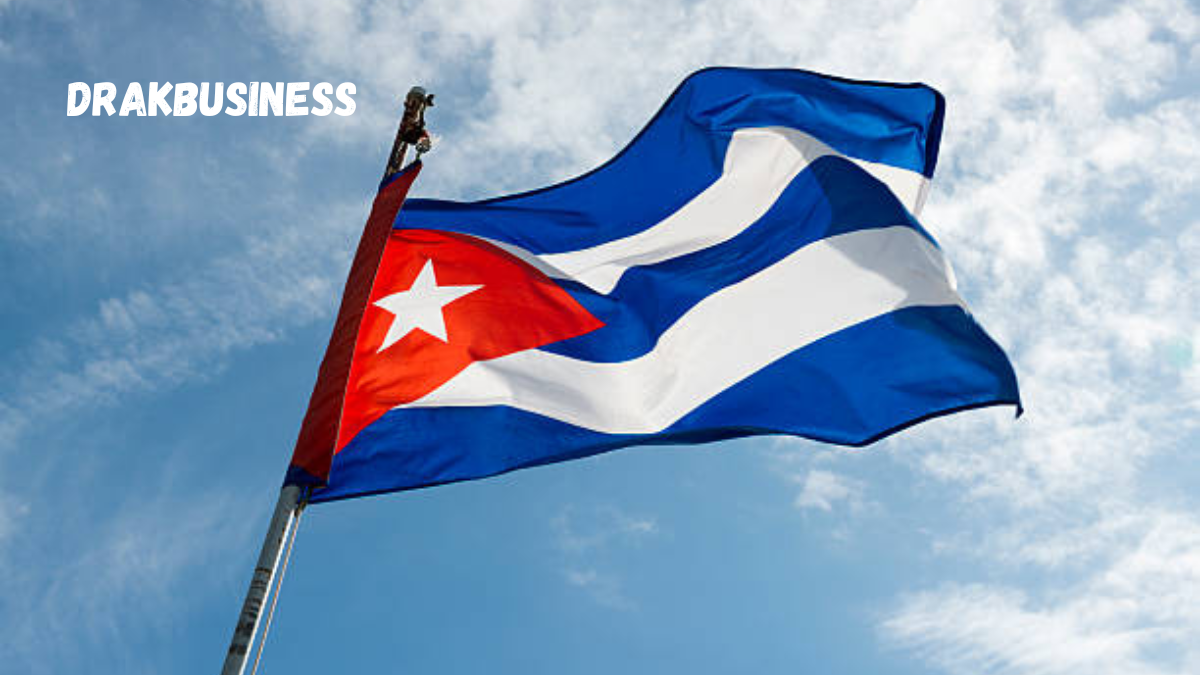
The cuba flag is one of the most recognizable national symbols in the world, instantly associated with revolution, resilience, and national pride. With its bold red triangle, striking blue and white stripes, and solitary white star, the flag captures attention while telling a deeper story of struggle and hope. For Cubans, the flag is not just a decorative emblem but a powerful representation of identity, independence, and shared history.
National flags often serve as visual summaries of a country’s past and aspirations, and the cuba flag is no exception. It reflects the ideals that fueled the fight for independence and continues to symbolize unity among citizens at home and abroad. Whether flown during national celebrations, displayed in public institutions, or seen in cultural expressions, the cuba remains a constant reminder of the nation’s enduring spirit.
Historical Background of the Cuba Flag
The origins of the cuba flag are deeply rooted in the 19th-century independence movement against Spanish colonial rule. During this period, Cuban revolutionaries sought a unifying symbol that could rally people around the idea of freedom and self-governance. The design was conceived by Cuban patriots in exile, inspired by revolutionary ideals spreading across the Americas.
The flag was officially adopted in 1902, following Cuba’s emergence as an independent republic. Its first public raising marked a defining moment in Cuban history, signaling the end of colonial domination and the beginning of national sovereignty. Over time, the cuba flag became inseparable from the country’s political narrative, appearing during key historical milestones and revolutionary moments.
Even as political systems and leadership changed, the flag itself remained constant. This continuity strengthened its status as a timeless symbol of the Cuban nation, respected across generations regardless of differing ideologies.
Design and Visual Elements of the Cuba Flag
The design of the cuba flag is simple yet highly symbolic. It features five horizontal stripes—three blue and two white—with a red equilateral triangle on the hoist side and a single white star centered within it. The proportions and arrangement are carefully balanced, creating a visually striking and harmonious composition.
The blue stripes represent the historical divisions of the island during the colonial era, while the white stripes symbolize purity of ideals and the desire for peace. The red triangle signifies the blood shed during the struggle for independence, as well as the revolutionary principles of liberty, equality, and fraternity.
Despite its age, the design of the cuba flag has remained unchanged since its adoption. This consistency reinforces its authority and recognition, making it one of the most stable and enduring flag designs in the world today.
Meaning and Symbolism of the Cuba Flag
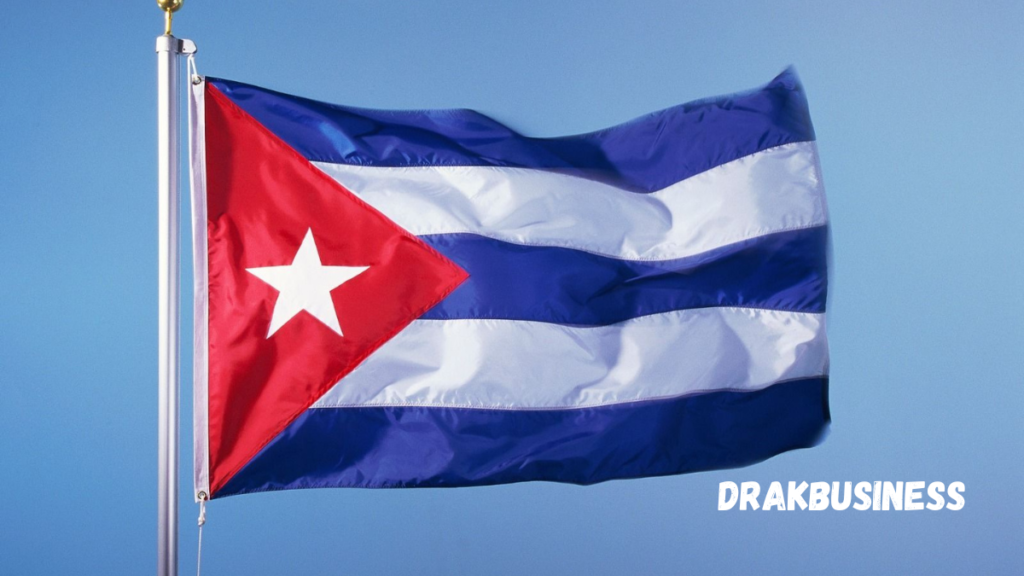
Every element of the cuba flag carries layered meaning. The colors are not merely aesthetic choices but intentional symbols tied to the nation’s values and sacrifices. Red reflects courage and sacrifice, blue embodies vigilance and justice, and white stands for moral purity and peace.
The lone white star, often referred to as the “Lone Star,” represents independence and guidance. It symbolizes the hope that Cuba would stand as a free and sovereign nation among other independent states. For many Cubans, the star also reflects unity—one people under a single national identity.
In modern contexts, the symbolism of the cuba extends beyond its original revolutionary meaning. It now represents cultural pride, perseverance through hardship, and the enduring connection between Cubans worldwide and their homeland.
Cultural and National Significance of the Cuba Flag
The cuba flag plays a central role in national celebrations, such as Independence Day and other patriotic events. It is prominently displayed during official ceremonies, parades, and public gatherings, reinforcing collective identity and national unity.
Beyond formal settings, the flag is deeply embedded in Cuban culture. It appears in art, music, literature, and fashion, often used as a symbol of resistance, pride, or nostalgia. For Cubans living abroad, the cuba flag serves as a powerful emotional link to their roots and heritage.
Internationally, the flag has become an icon of revolution and political expression. Its imagery is instantly recognizable and frequently referenced in global media, reinforcing Cuba’s unique place in world history and culture.
Legal and Protocol Guidelines for the Cuba Flag
Like most national symbols, the cuba flag is protected by specific laws and protocols that govern its use. These rules ensure the flag is treated with respect and dignity in all official and public contexts.
Guidelines cover proper display, including when and where the flag should be flown, as well as correct handling and storage. The flag is typically raised during daylight hours and must never touch the ground. Damaged or worn flags are expected to be retired respectfully.
These protocols are not merely formalities; they reinforce the importance of the cuba flag as a national emblem. Observing proper etiquette reflects respect for the country’s history, values, and people.
The Cuba Flag in the Modern World
In today’s digital age, the cuba flag has found new life across social media, websites, and global movements. It is frequently used in online discussions related to Cuban culture, politics, and identity, extending its reach far beyond the island itself.
Younger generations often reinterpret the flag’s symbolism through modern art, digital design, and activism. While interpretations may evolve, the core meaning of unity and resilience remains intact.
The cuba flag continues to symbolize endurance in the face of economic challenges and political change, standing as a visual reminder that national identity can persist even during times of uncertainty.
Comparison With Other National Flags
When compared to other national flags, the cuba flag stands out for its strong revolutionary symbolism and distinctive color scheme. While some elements resemble other flags from the Americas, its overall composition is unique and immediately identifiable.
The use of a single star and bold geometric shapes places the cuba flag among a group of flags associated with independence movements. However, its specific historical context and cultural meaning set it apart.
This uniqueness contributes to the flag’s global recognition and reinforces its role as a defining symbol of Cuban national identity.
Conclusion
The cuba flag is far more than a national banner; it is a visual narrative of struggle, hope, and enduring pride. From its revolutionary origins to its modern-day significance, the flag encapsulates the history and spirit of Cuba in a single, powerful design.
Understanding the cuba flag allows for a deeper appreciation of Cuban culture, values, and resilience. As generations pass, the flag remains a constant symbol of unity, reminding the world of Cuba’s journey and the ideals that continue to define it.
Frequently Asked Questions
What does the cuba flag symbolize?
It symbolizes independence, sacrifice, unity, and national pride.
Who designed the cuba flag?
The design was created by Cuban revolutionaries during the independence movement.
When was the cuba flag officially adopted?
The flag was officially adopted in 1902.
What do the colors of the cuba flag mean?
Red represents sacrifice, blue signifies vigilance and justice, and white stands for peace and purity.
Is the cuba flag legally protected?
Yes, laws and protocols regulate its proper use and display.
How is the cuba flag used in national celebrations?
It is prominently displayed during public holidays, ceremonies, and patriotic events.
Are there any variations of the cuba flag?
The official design remains unchanged, with no recognized variations.
Also Read: dungeness crab