The Palestine flag is more than a national emblem; it is a powerful visual expression of identity, history, struggle, and hope. Across generations, this flag has represented the collective memory of a people whose cultural roots stretch back centuries. For Palestinians at home and in the diaspora, the flag serves as a unifying symbol that connects personal identity with a shared national story. Its presence at rallies, cultural events, and international forums reflects both pride and perseverance.
Globally, the Palestine flag has come to symbolize resistance, solidarity, and the ongoing pursuit of self-determination. Displayed in cities far from the Middle East, it resonates with people who see it as a sign of human rights advocacy and political expression. Whether flown from a balcony, painted on a wall, or shared digitally, the flag continues to carry deep emotional and political meaning linked to Palestine and its people.
Overview of the Palestine Flag
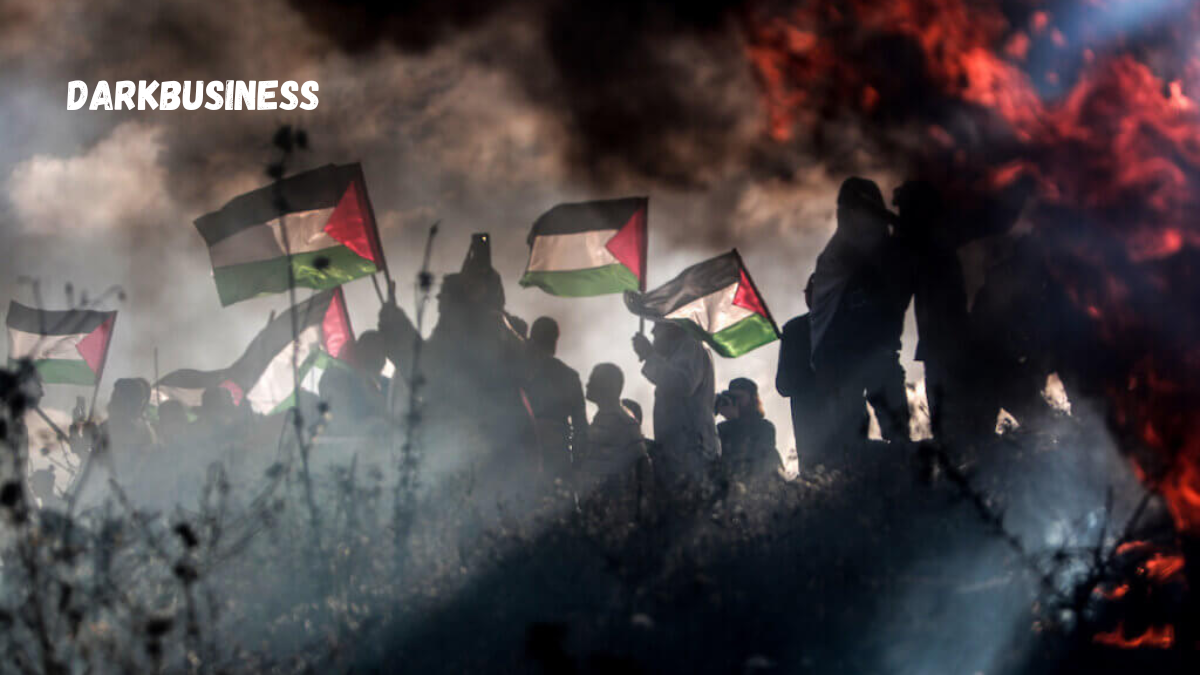
The Palestine flag features a simple yet striking design composed of three horizontal stripes—black on top, white in the middle, and green at the bottom—with a red triangle extending from the hoist side. This structure creates a balanced visual identity that is instantly recognizable. The clean geometry of the flag allows it to be reproduced easily, which has helped it spread widely across physical and digital spaces.
Despite its simplicity, the flag’s design carries layers of meaning. The combination of stripes and triangle creates movement and direction, symbolizing progress and struggle. The flag is used in both official and unofficial capacities, appearing in political settings as well as cultural and personal expressions. Its versatility has allowed it to become one of the most recognizable national symbols in the modern world.
History of the Palestine Flag
The origins of the Palestine flag are closely connected to the broader Arab nationalist movements of the early 20th century. Its design is derived from the Pan-Arab colors, which were first popularized during the Arab Revolt against Ottoman rule in 1916. These colors were chosen to represent shared Arab heritage, unity, and resistance to foreign domination.
Over time, the flag became specifically associated with the Palestinian national movement. It was formally adopted by Palestinian political organizations in the mid-20th century and later recognized as the national flag. Throughout decades of conflict, displacement, and political struggle, the flag has remained a constant symbol. Each historical moment—from protests to peace talks—has reinforced its role as a marker of continuity and resilience.
Meaning of the Palestine Flag Colors
Each color of the Palestine flag holds deep symbolic value rooted in Arab and Islamic history. The black stripe is often associated with past struggles and historical challenges, representing endurance through hardship. It reflects periods of loss while acknowledging the strength gained through perseverance.
The white stripe symbolizes peace, hope, and a vision for a just future. It stands for moral clarity and the aspiration for harmony after prolonged conflict. The green stripe, commonly linked to land and growth, represents fertility, renewal, and a strong connection to the homeland. Finally, the red triangle signifies sacrifice and courage, honoring those who have given their lives for national identity. Together, these colors form a unified narrative of struggle, hope, and belonging.
Symbolism and Cultural Importance
Culturally, the Palestine flag is woven into everyday life. It appears in traditional art, embroidery, music, and poetry, reinforcing its role as a cultural anchor. For many Palestinians, the flag is a visual reminder of heritage passed down through generations, especially among families living outside their ancestral homeland.
Emotionally, the flag carries immense weight. It is often present during moments of mourning as well as celebration, symbolizing both loss and resilience. Beyond Palestinian communities, the flag has been adopted by global activists as a symbol of solidarity. Its widespread use underscores how a national flag can transcend borders and become a universal emblem of resistance and human dignity.
Palestine Flag in International Context
Internationally, the Palestine flag occupies a complex position. It is displayed at international forums, diplomatic events, and global demonstrations. In some countries, its display is seen as a political statement, while in others it is protected as an expression of free speech. This duality highlights the flag’s powerful role in global political discourse.
The flag’s visibility on the international stage has increased significantly in recent decades. It is often seen during humanitarian campaigns and global protests, where it represents broader calls for justice and self-determination. While it can be controversial, its continued presence reflects the enduring relevance of the Palestinian issue in international relations.
Differences Between the Palestine Flag and Other Arab Flags
While the Palestine flag shares colors with several Arab flags, its design remains distinct. Countries such as Jordan, Kuwait, and the United Arab Emirates also use Pan-Arab colors, reflecting shared heritage. However, the specific arrangement of stripes and the prominent red triangle give the Palestine flag its unique identity.
These similarities highlight regional unity, while the differences emphasize national individuality. The Palestine flag’s design has influenced and been influenced by neighboring flags, creating a visual dialogue across the Arab world. This balance between unity and uniqueness reinforces the flag’s role as both a regional and national symbol.
Modern Use of the Palestine Flag
In the digital age, the Palestine flag has found new life online. Social media platforms have amplified its visibility, allowing users to share it instantly as a sign of support or awareness. Hashtags, profile images, and digital art featuring the flag have become common tools of modern activism.
Beyond politics, the flag appears in fashion, street art, and popular culture. Designers and artists incorporate its colors into clothing and murals, blending activism with creativity. This modern usage ensures that the flag remains relevant to younger generations, adapting to new forms of expression while preserving its core meaning.
Rules, Etiquette, and Display Guidelines
Displaying the Palestine flag is often guided by respect and cultural sensitivity. Traditionally, the flag should not touch the ground and should be displayed in a dignified manner. During public events, it is typically flown at full height to symbolize pride and resistance.
In protests and demonstrations, the flag is commonly carried or worn, emphasizing unity and collective voice. While rules may vary by country, the underlying principle remains respect for what the flag represents. Proper display reinforces its significance as a symbol of identity rather than a decorative object.
Conclusion
The Palestine flag stands as a powerful symbol of history, identity, and ongoing struggle. Its colors, design, and widespread use tell a story that extends far beyond fabric and thread. For Palestinians, it is a reminder of heritage and hope; for the global community, it represents resilience and the universal desire for justice.
As political contexts evolve, the meaning of the Palestine flag continues to grow. Its presence across cultures and borders ensures that the story it represents is neither forgotten nor silenced. The flag remains a lasting emblem of dignity, unity, and the pursuit of self-determination.
Frequently Asked Questions
What do the colors of the Palestine flag represent?
Each color symbolizes aspects of history, struggle, peace, land, and sacrifice.
When was the Palestine flag first introduced?
Its design dates back to the early 20th century and was formally adopted mid-century.
Is the Palestine flag internationally recognized?
It is widely recognized symbolically and displayed in many international settings.
Why is the Palestine flag similar to other Arab flags?
It uses Pan-Arab colors that represent shared regional heritage.
Can the Palestine flag be displayed publicly everywhere?
Rules vary by country, but it is generally protected as political expression.
Also Read: audi r8