The Ukraine flag is far more than a simple combination of blue and yellow colors; it is a powerful national emblem that represents the country’s history, cultural identity, and enduring spirit. Recognized around the world, the flag has become a visual shorthand for Ukraine’s sovereignty, resilience, and aspirations. Whether displayed on government buildings, carried during national celebrations, or shared across digital platforms, the Ukraine flag holds deep emotional meaning for its people.
National flags often serve as symbols of unity, and the Ukraine flag is no exception. It connects past generations with the present, reflecting centuries of struggle, hope, and cultural continuity. The simplicity of its design makes it instantly recognizable, yet behind that simplicity lies a rich story shaped by historical events, political movements, and cultural traditions.
In recent decades, the Ukraine flag has gained even greater global attention, symbolizing not only a nation but also universal values such as freedom, independence, and self-determination. Understanding the Ukraine flag helps readers better appreciate its role in both national life and the international arena.
History of the Ukraine Flag
The history of the Ukraine flag dates back centuries, long before the establishment of the modern Ukrainian state. The colors blue and yellow appeared in various forms across Ukrainian territories, particularly in medieval heraldry and regional banners. These colors were often associated with the natural landscape—blue skies above fertile golden fields—which played a central role in the lives of early Ukrainian communities.
During the Cossack era, banners and military standards frequently incorporated blue and yellow elements. These flags symbolized strength, faith, and loyalty, and they were used to represent Ukrainian lands in battles and alliances. Over time, the colors gained recognition as markers of Ukrainian identity, even when the region was under foreign rule.
The modern form of the Ukraine flag emerged during the early 20th century, especially during the struggle for independence following the collapse of empires in Eastern Europe. In 1918, the blue-and-yellow flag was officially used by the Ukrainian People’s Republic, marking a critical step toward national recognition. Although Ukraine later faced periods of occupation and political suppression, the flag remained a symbol of resistance.
Following Ukraine’s declaration of independence in 1991, the blue-and-yellow flag was officially adopted as the national flag. Since then, it has stood as a reminder of the country’s hard-won sovereignty and its ongoing commitment to self-rule.
Design and Colors of the Ukraine Flag
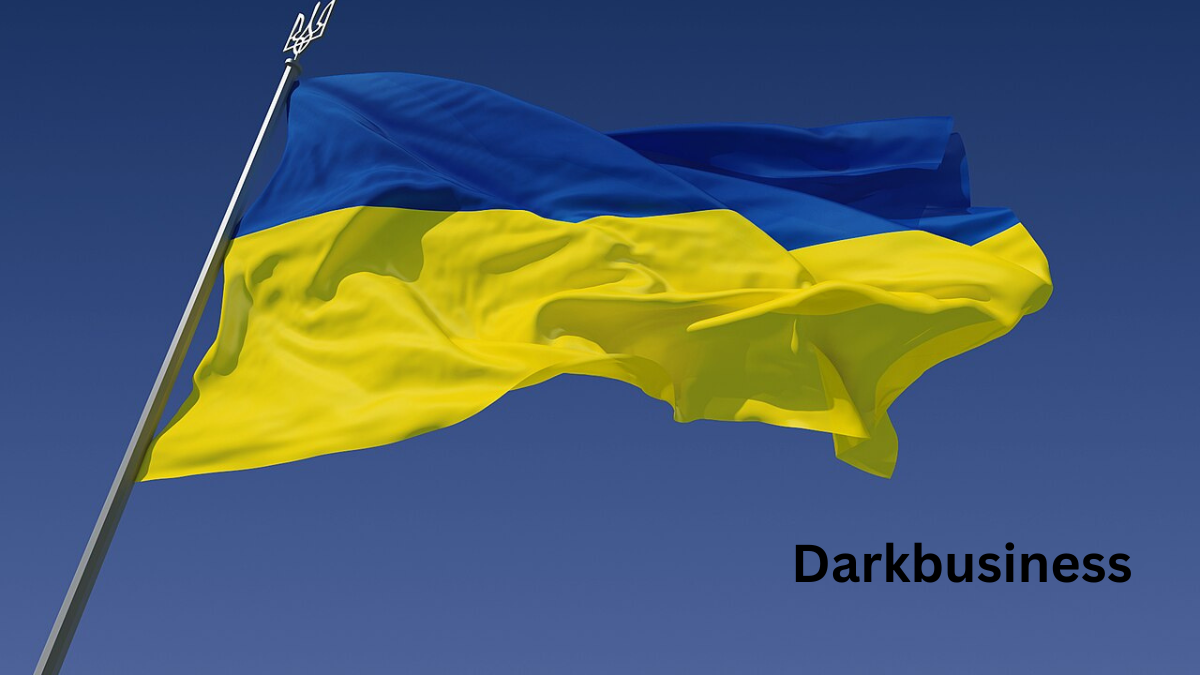
The design of the Ukraine flag is one of the simplest among national flags, featuring two horizontal stripes of equal size. The top stripe is blue, while the bottom stripe is yellow. Despite its minimalistic appearance, this design carries profound meaning and visual harmony, making it both aesthetically pleasing and symbolically rich.
The blue color traditionally represents the sky, peace, and calmness. In Ukrainian cultural interpretations, blue is often linked to spirituality, freedom, and hope for a peaceful future. It reflects the vast skies that stretch over the country’s landscapes, symbolizing openness and aspiration.
The yellow color symbolizes the golden wheat fields that have long been central to Ukraine’s agricultural heritage. Ukraine has historically been known as a breadbasket of Europe, and yellow reflects prosperity, hard work, and the importance of the land. Together, blue and yellow create a powerful image of harmony between nature and human effort.
Compared to other national flags, the Ukraine flag stands out for its balance and clarity. While some countries use complex symbols or coats of arms, Ukraine’s flag relies solely on color to communicate its identity, making it universally recognizable and deeply meaningful.
Symbolism and Cultural Significance
The Ukraine flag is deeply embedded in the nation’s cultural consciousness. Beyond its official status, it represents collective memory, shared values, and emotional unity. For many Ukrainians, the flag is a symbol of home, heritage, and belonging, especially for those living abroad.
Culturally, the flag appears in traditional celebrations, folk art, and public ceremonies. It is often displayed during national holidays, independence events, and cultural festivals, reinforcing a sense of pride and continuity. Artists, musicians, and writers frequently incorporate the blue and yellow colors into their work to express patriotism and cultural identity.
The flag also symbolizes resilience and perseverance. Throughout history, Ukrainians have faced challenges that threatened their autonomy, yet the flag remained a beacon of hope. Carrying or displaying the Ukraine flag is often seen as an act of solidarity and affirmation of national values.
In modern times, the cultural significance of the Ukraine flag has expanded beyond borders. It is widely recognized as a symbol of courage and determination, resonating with people who value freedom and national self-expression.
Political and International Importance
Politically, the Ukraine flag plays a crucial role in asserting statehood and sovereignty. It is displayed at government institutions, diplomatic missions, and international organizations, representing Ukraine on the global stage. In international forums, the flag signifies Ukraine’s status as an independent nation with its own voice in global affairs.
The flag has also been prominently used during political movements and public demonstrations. In moments of national transformation, citizens have rallied under the blue and yellow banner to express unity, demand reform, and protect democratic values. As a result, the flag has become closely associated with civic engagement and political awareness.
Internationally, the Ukraine flag has become a symbol of global solidarity. Many countries and organizations display the flag as a gesture of support, highlighting its role as more than a national emblem. This widespread recognition has strengthened the flag’s symbolic power far beyond Ukraine’s borders.
Through diplomacy, protests, and international events, the Ukraine flag continues to represent resilience, independence, and the universal desire for self-determination.
Rules, Etiquette, and Proper Display
Like all national symbols, the Ukraine flag is governed by official rules and customs regarding its display. These guidelines ensure that the flag is treated with respect and dignity. Typically, the flag is flown on public buildings, schools, and government offices, especially during national holidays and commemorative events.
Proper display involves positioning the blue stripe on top and the yellow stripe on the bottom when hung horizontally. When displayed vertically, the blue color should be on the left side from the viewer’s perspective. These rules help maintain consistency and honor the flag’s symbolism.
Etiquette also emphasizes respectful handling. The flag should not touch the ground, be damaged, or be used inappropriately for commercial purposes without authorization. When a flag becomes worn or damaged, it should be replaced respectfully rather than discarded carelessly.
By following these customs, citizens and institutions show their respect for the Ukraine flag and the values it represents, reinforcing its importance in public life.
Modern Usage and Popular Culture
In the modern era, the Ukraine flag has become a prominent feature of popular culture and digital media. It is frequently seen at international sporting events, where athletes and fans use it to show national pride. The flag’s colors are often worn as clothing, face paint, or accessories during major competitions.
On social media platforms, the Ukraine flag is widely used as a symbol of identity and solidarity. Profile images, hashtags, and digital artwork featuring blue and yellow have helped spread awareness and foster global connections. This digital presence has amplified the flag’s reach and influence.
The flag is also used in design, fashion, and creative industries. From murals to merchandise, its colors inspire modern interpretations while maintaining traditional significance. These uses reflect how the flag adapts to contemporary culture without losing its core meaning.
As global awareness grows, the Ukraine flag continues to evolve as both a national and international symbol, bridging tradition and modern expression.
Conclusion
The Ukraine flag stands as a timeless symbol of the nation’s history, culture, and aspirations. From its early origins to its modern global recognition, the blue-and-yellow banner reflects Ukraine’s journey toward independence and self-identity. Its simple design carries profound meaning, representing peace, prosperity, and resilience.
Today, the Ukraine flag unites citizens at home and abroad while inspiring respect and solidarity worldwide. As a national emblem, it remains a powerful reminder of the values Ukraine upholds and the enduring strength of its people.
Frequently Asked Questions
What do the colors of the Ukraine flag represent?
The blue represents the sky, peace, and freedom, while the yellow symbolizes wheat fields, prosperity, and the land.
When was the modern Ukraine flag officially adopted?
The current Ukraine flag was officially adopted in 1991 following Ukraine’s independence.
Why is the Ukraine flag blue and yellow?
The colors reflect Ukraine’s natural landscape and cultural heritage, symbolizing harmony between sky and land.
How is the Ukraine flag used on national holidays?
It is displayed on public buildings, carried in parades, and featured in ceremonies and celebrations.
Are there rules for displaying the Ukraine flag?
Yes, there are official guidelines regarding positioning, handling, and respectful use.
How is the Ukraine flag viewed internationally today?
It is widely recognized as a symbol of sovereignty, resilience, and global solidarity.
Also Read: ridstar q20