Kielbasa is more than just a sausage—it is a culinary symbol, a cultural tradition, and a comfort food enjoyed across continents. Known for its rich flavor, satisfying texture, and incredible versatility, kielbasa has earned a permanent place in kitchens around the world. From family dinners to festive celebrations, this beloved sausage adapts effortlessly to countless recipes and cooking styles.
Often associated with hearty meals and traditional cooking, kielbasa represents centuries of food heritage. While many people recognize it as a smoked sausage found in grocery stores, its story goes far deeper. Understanding kielbasa means exploring its origins, varieties, preparation methods, and the reasons it remains popular today. This comprehensive guide covers everything you need to know, whether you are a curious food lover or a passionate home cook.
What Is Kielbasa?
Kielbasa is a general term used to describe a wide range of sausages, rather than one single product. The word itself simply means “sausage,” but over time it has become associated with specific styles, flavors, and preparation methods. Typically made from pork, beef, or a combination of meats, kielbasa is known for its garlicky aroma, balanced seasoning, and hearty bite.
Unlike many mass-produced sausages, traditional kielbasa focuses on simplicity and quality ingredients. The meat is usually coarsely ground, seasoned with garlic, marjoram, pepper, and salt, then stuffed into natural casings. This approach results in a sausage that feels rustic, filling, and deeply satisfying. Depending on the type, kielbasa may be fresh, smoked, or cured, each offering a unique taste and texture.
Culturally, kielbasa holds a special place in Poland, where it is a staple food rather than an occasional indulgence. It appears on everyday tables, holiday spreads, and street food stalls alike. Outside its homeland, kielbasa has been embraced globally, especially in regions where Eastern European communities have shared their culinary traditions.
History and Origins of Kielbasa
The history of kielbasa stretches back hundreds of years, rooted in practical food preservation and regional cooking traditions. Before refrigeration, people relied on smoking, salting, and curing meat to extend its shelf life. Kielbasa emerged as an ideal solution—nutritious, durable, and flavorful. Families developed their own recipes, often passed down through generations.
Over time, different regions began producing distinct styles of kielbasa. Variations developed based on available meats, spices, and smoking techniques. Some were heavily smoked for long storage, while others were fresh and meant to be cooked immediately. These regional differences helped shape the wide range of kielbasa varieties known today.
As migration increased in the 19th and 20th centuries, kielbasa traveled beyond Eastern Europe. Immigrants brought their food traditions with them, introducing kielbasa to new audiences. Butchers adapted recipes to local tastes and ingredients, creating versions that blended tradition with innovation. This global journey helped transform kielbasa into an internationally recognized sausage while preserving its cultural identity.
Types of Kielbasa
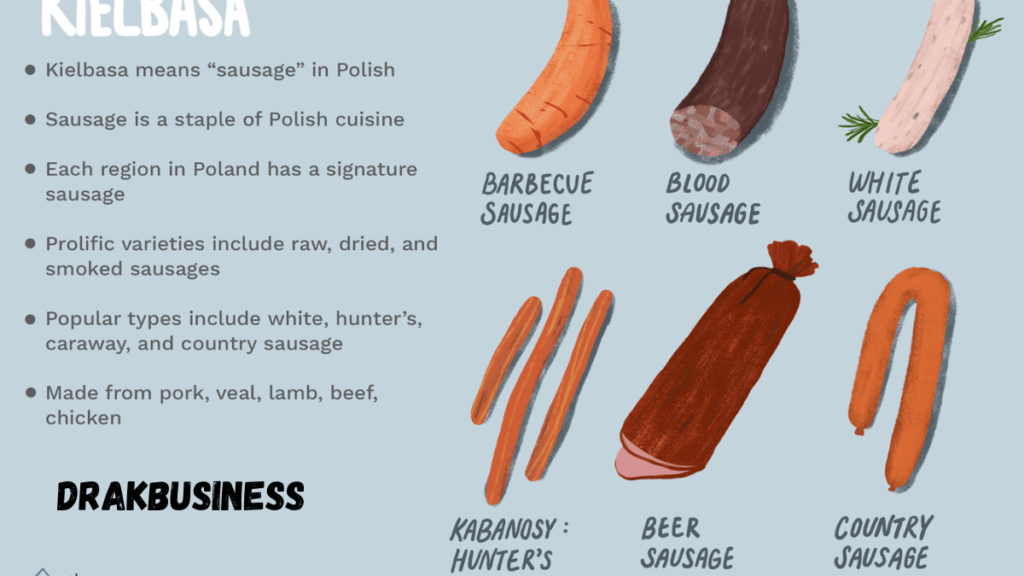
One of the most fascinating aspects of kielbasa is its diversity. There is no single “correct” version, which allows it to suit different tastes and cooking needs. Fresh kielbasa is uncooked and must be prepared before eating. It has a juicy texture and mild flavor, making it perfect for frying or simmering.
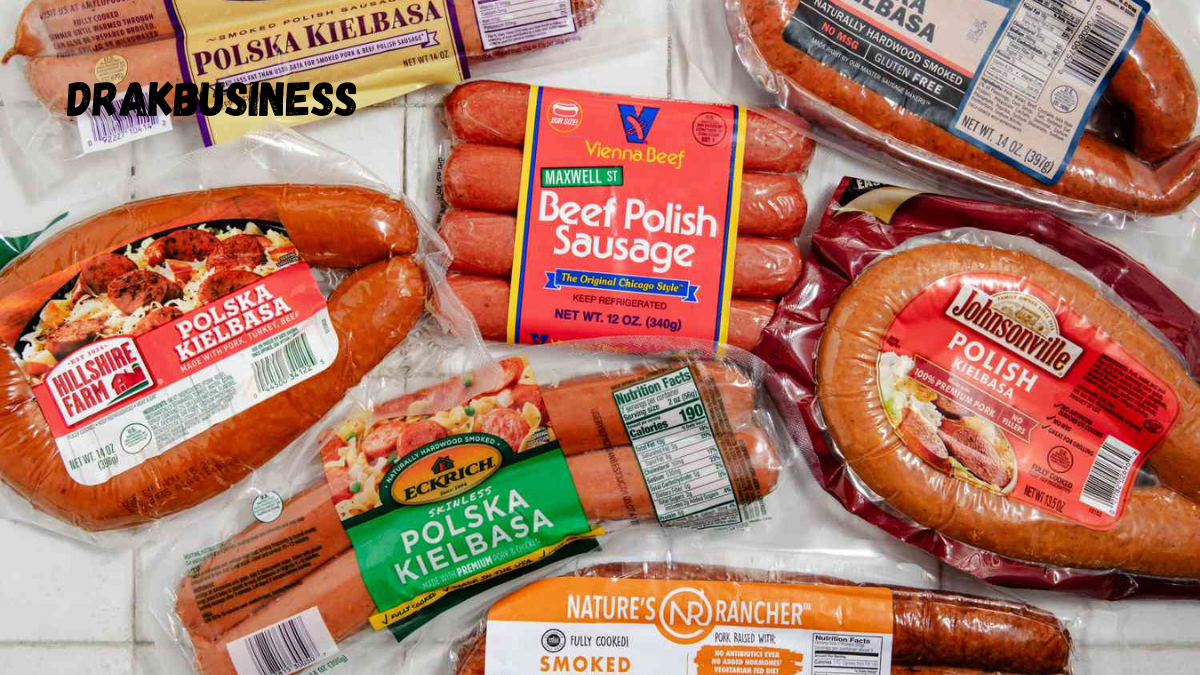
Smoked kielbasa is perhaps the most widely recognized type. It is partially or fully cooked during the smoking process, giving it a deep, savory taste and firm texture. This variety is incredibly versatile, suitable for grilling, baking, or adding to soups and stews. Dry or cured kielbasa, on the other hand, is aged and can often be eaten without cooking. It has a dense texture and intense flavor.
Regional varieties add even more depth to the kielbasa family. Some are heavily seasoned with garlic, while others emphasize smokiness or spice. Modern adaptations have also emerged, including turkey or chicken kielbasa, offering lighter alternatives without sacrificing flavor. This wide range ensures there is a type of kielbasa for nearly every palate.
Ingredients Used in Kielbasa
Traditional kielbasa relies on simple, high-quality ingredients. Pork is the most common base, valued for its richness and fat content, which contributes to the sausage’s juicy texture. Beef may be added for depth, while some recipes include veal or other meats. The balance of lean meat and fat is crucial to achieving the right consistency.
Seasoning plays a defining role in kielbasa’s flavor. Garlic is the most prominent ingredient, often used generously. Marjoram adds a subtle herbal note, while black pepper provides gentle heat. Salt is essential not only for taste but also for preservation. Some varieties include additional spices or herbs, depending on regional traditions.
Casings are typically natural, made from animal intestines, which give kielbasa its characteristic snap when bitten. Modern commercial versions may use synthetic casings, but traditionalists often prefer natural ones for authenticity. The simplicity of these ingredients highlights why kielbasa tastes so robust—nothing is overcomplicated, and every component serves a purpose.
How Kielbasa Is Made
The process of making kielbasa begins with careful meat selection. The meat is trimmed, ground to the desired coarseness, and mixed with spices until evenly seasoned. This mixture is then rested to allow flavors to develop, an important step for achieving depth and balance.
Next comes stuffing, where the seasoned meat is packed into casings. This step requires skill, as overstuffing can cause bursting, while understuffing affects texture. Once formed, the sausages may be left fresh, cooked, smoked, or cured, depending on the type being produced.
Smoking is a defining stage for many kielbasa varieties. Using hardwood smoke, the sausages absorb flavor while slowly cooking. This process not only enhances taste but also improves preservation. The result is a sausage with a rich aroma, firm texture, and unmistakable character.
How to Cook Kielbasa
Cooking kielbasa correctly depends on whether it is fresh or pre-cooked. Fresh kielbasa must be fully cooked before eating and benefits from gentle methods like simmering followed by pan-frying. This ensures the inside cooks evenly without drying out.
Smoked or pre-cooked kielbasa offers more flexibility. It can be grilled for a crisp exterior, baked with vegetables, or sliced into soups and stews. Pan-frying brings out its natural fats, creating a caramelized surface and intensified flavor. Many cooks prefer slow heating to prevent splitting.
Regardless of the method, kielbasa pairs beautifully with a variety of ingredients, from potatoes and onions to cabbage and beans. Its adaptability makes it suitable for quick meals or elaborate dishes, proving why it remains a favorite across cultures.
Conclusion
Kielbasa stands as a timeless example of how simple ingredients and traditional methods can create something extraordinary. Its rich history, diverse varieties, and unmistakable flavor make it far more than just a sausage. Whether enjoyed fresh, smoked, or cured, kielbasa continues to connect people to heritage, comfort, and shared meals.
From its roots in Eastern Europe to its global popularity today, kielbasa has proven its lasting appeal. It is a food that evolves without losing its identity, making it just as relevant in modern kitchens as it was centuries ago.
Frequently Asked Questions
What meat is traditionally used in kielbasa?
Pork is most common, often combined with beef for added depth.
Is kielbasa already cooked?
Some types are pre-cooked or smoked, while fresh kielbasa must be cooked before eating.
Can kielbasa be eaten cold?
Certain cured or smoked varieties can be eaten cold, but always check the label.
Is kielbasa healthy?
It provides protein but can be high in fat and sodium, so moderation is recommended.
What is the best way to store kielbasa?
Refrigerate fresh kielbasa and freeze for longer storage to maintain quality.
Also Read: zach justice height