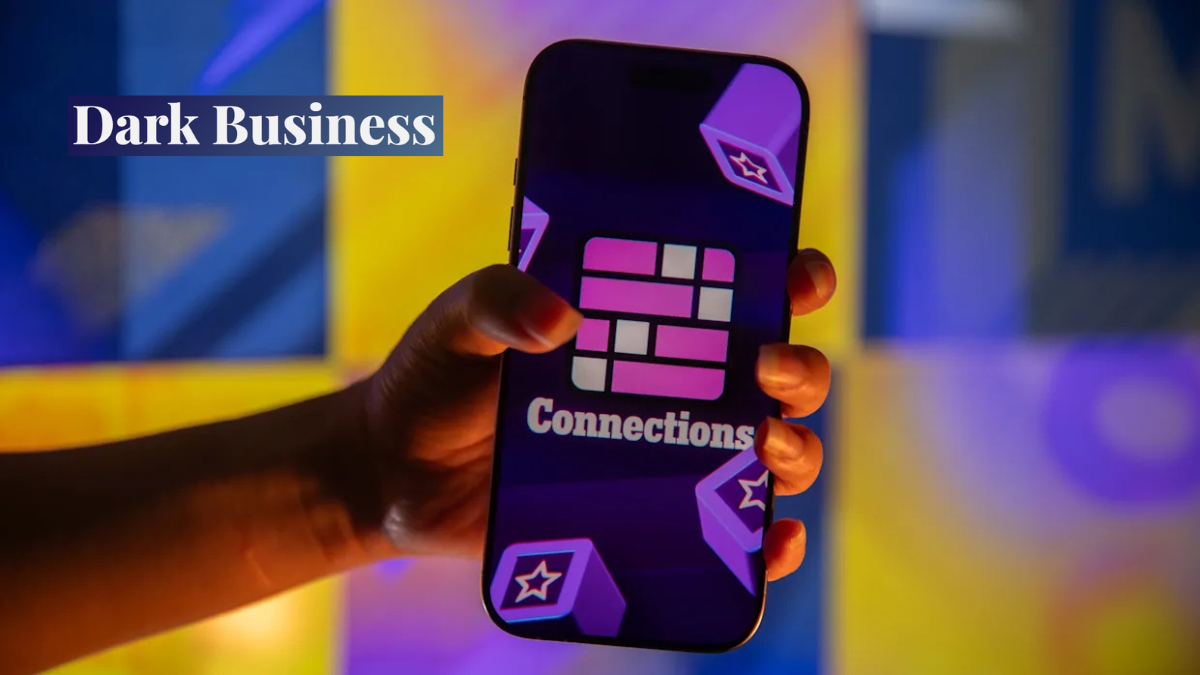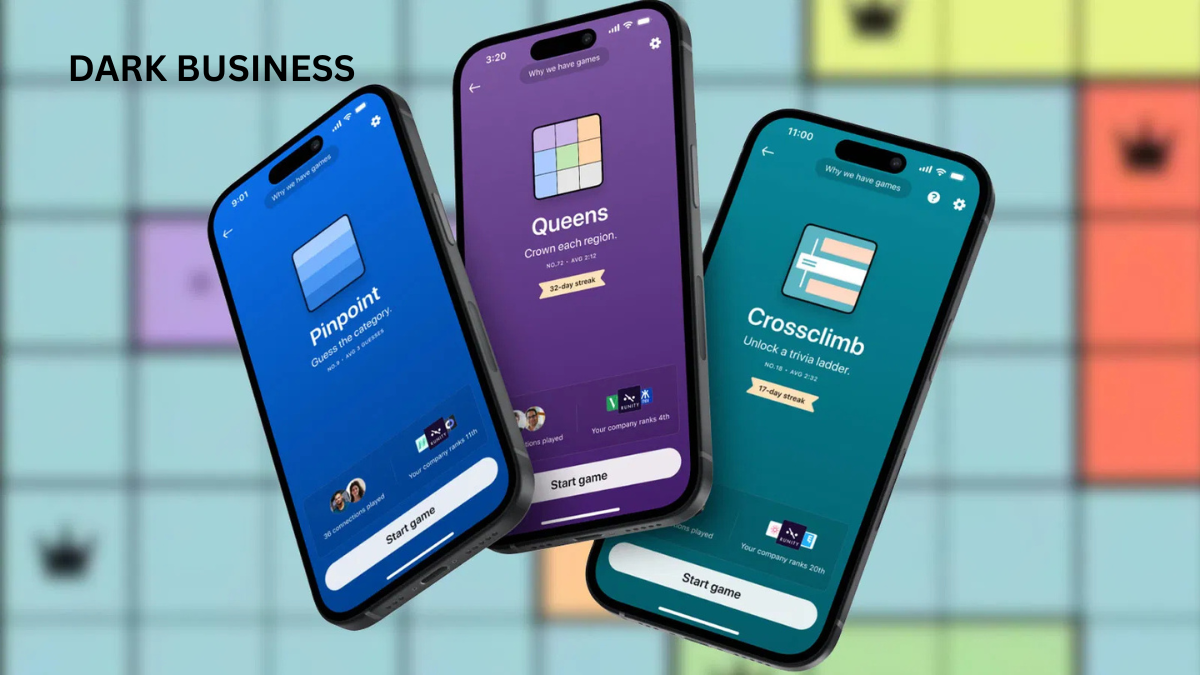
In recent years, LinkedIn has evolved far beyond a simple job-search and networking website. It has transformed into a dynamic digital ecosystem where professionals not only connect and share insights but also engage in interactive content. One of the most surprising and exciting additions to the platform is LinkedIn Games. These daily puzzle-style challenges have captured the attention of millions of users who log in not just to check messages or post updates, but to test their cognitive skills in a fun and competitive environment. The rise of gamification in professional spaces reflects a broader shift in how people prefer to interact online—blending productivity with entertainment.
The growing popularity of LinkedIn Games can be attributed to their simplicity, accessibility, and social integration. Unlike traditional gaming platforms, these games are designed to be quick, intellectually stimulating, and easy to play during short breaks. Professionals enjoy the mental refreshment they provide between meetings or tasks. At the same time, the ability to compare scores with colleagues and connections adds a layer of friendly competition. This combination of brain exercise and social engagement has made LinkedIn Games a trending feature in 2026, reshaping how users experience professional networking platforms.
What Are LinkedIn Games?
LinkedIn Games are daily puzzle-based challenges integrated directly into the LinkedIn platform. They typically focus on logic, word skills, pattern recognition, and strategic thinking. Unlike complex video games that require hours of commitment, these games are intentionally designed to be short and intellectually stimulating. Most can be completed in just a few minutes, making them perfect for busy professionals. Each day presents a new challenge, encouraging consistent engagement and repeat visits to the platform.
The purpose behind LinkedIn Games goes beyond simple entertainment. They are part of a broader engagement strategy that aims to increase daily active users and strengthen community interaction. By introducing games, LinkedIn has successfully created an additional reason for professionals to log in regularly. This gamified experience enhances user retention while maintaining the platform’s professional tone. The games are carefully curated to ensure they align with the intellectual and career-focused mindset of LinkedIn’s audience.
Moreover, LinkedIn Games contribute to building a shared experience among users. When professionals play the same daily puzzle, it creates natural conversation starters. Colleagues may discuss strategies, compare results, or challenge each other to improve scores. This shared engagement strengthens digital relationships in a subtle yet impactful way, reinforcing the platform’s networking objectives while adding an enjoyable twist.
Types of LinkedIn Games Available
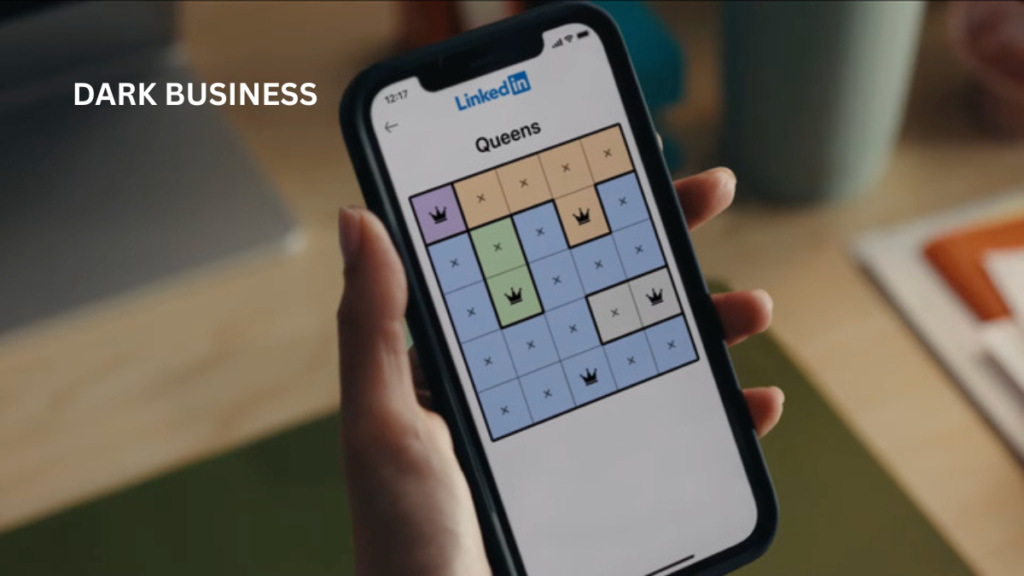
The variety of LinkedIn Games ensures that different cognitive skills are tested. Logic-based games challenge players to think critically and solve structured puzzles. These games often require analyzing clues, identifying patterns, and making deductions. They appeal to users who enjoy strategic thinking and methodical problem-solving. Because the puzzles reset daily, they encourage players to continuously refine their logical reasoning skills over time.
Word and language-focused games are another popular category. These puzzles test vocabulary, spelling, and pattern recognition abilities. Professionals who enjoy language-based challenges find these games both entertaining and educational. They provide a subtle way to sharpen communication skills while engaging in friendly competition. Word games often attract high participation because they are intuitive and accessible to a broad audience, regardless of professional background.
Additionally, some games focus on strategy and pattern recognition. These challenges may involve arranging elements in the correct sequence or identifying relationships within limited moves. Time-based scoring systems add an extra level of excitement. Leaderboards allow players to compare their performance with their network, fostering motivation to improve. The diversity of game types ensures that LinkedIn Games remain fresh, engaging, and appealing to a wide spectrum of professionals.
How to Access and Play LinkedIn Games
Accessing LinkedIn Games is straightforward, whether you are using a desktop computer or a mobile device. On desktop, users can typically find the games section within the LinkedIn homepage navigation or through featured content panels. The interface is clean and intuitive, making it easy for first-time players to understand how to begin. There is no need for additional downloads or complex setup processes, as the games are built directly into the platform.
On mobile devices, LinkedIn Games are integrated into the official LinkedIn app. The mobile experience is optimized for touch interaction, ensuring smooth gameplay. Push notifications may remind users of daily challenges, encouraging consistent participation. The seamless transition between desktop and mobile allows users to play anytime, whether during a commute, lunch break, or short downtime between meetings.
Understanding the rules and scoring system is essential for improving performance. Most LinkedIn Games operate on a daily reset cycle, meaning each day presents a new puzzle. Scores may be based on completion time, number of moves, or accuracy. Leaderboards display how you rank among your connections, adding a competitive edge. Players can often share their results, which increases engagement and invites others to join the challenge.
Benefits of Playing LinkedIn Games
One of the primary benefits of LinkedIn Games is cognitive enhancement. Regular engagement with puzzles can improve memory, concentration, and logical reasoning skills. Short daily challenges stimulate the brain without overwhelming users. This mental workout can be particularly beneficial for professionals who spend long hours focusing on repetitive tasks. By incorporating brief intellectual breaks, users can maintain sharper focus and higher productivity throughout the day.
Beyond cognitive benefits, LinkedIn Games strengthen professional networking. Sharing scores or discussing strategies creates organic interactions between connections. These conversations are light yet meaningful, helping to humanize digital relationships. Instead of strictly formal communication, professionals can bond over shared challenges. This subtle interaction fosters stronger connections and increases overall engagement on the platform.
LinkedIn Games also offer personal branding opportunities. Consistent participation demonstrates activity and engagement, which can enhance profile visibility. When users share achievements or insights related to the games, they appear more active within their network. This visibility may indirectly support networking goals, content reach, and professional recognition. In a competitive digital environment, even small engagement signals can contribute to broader career opportunities.
Strategies to Improve Your Performance in LinkedIn Games
Improving performance in LinkedIn Games requires a combination of consistency and strategy. Beginners should start by familiarizing themselves with the rules and patterns of each game type. Taking a few moments to analyze the puzzle before making moves can significantly improve accuracy. Time management is equally important, as rushing may lead to mistakes that affect overall scores.
Advanced players often develop pattern recognition techniques and logical shortcuts. For example, identifying recurring structures or eliminating unlikely options early can speed up decision-making. Practicing daily builds familiarity with puzzle formats, which naturally enhances performance over time. Consistency is key, as regular engagement sharpens cognitive reflexes and strategic thinking.
Competing with connections can also boost motivation. Monitoring leaderboard rankings encourages players to refine their strategies. Friendly competition fosters determination and adds excitement to daily challenges. By combining patience, observation, and strategic execution, users can steadily improve their LinkedIn Games scores while enjoying the process.
LinkedIn Games vs Other Online Puzzle Platforms
Compared to traditional puzzle platforms, LinkedIn Games stand out due to their professional context. While many puzzle apps focus purely on entertainment, LinkedIn integrates gaming within a networking environment. This unique combination creates a balance between productivity and play. Users do not need to switch platforms to enjoy a quick brain challenge, which enhances convenience.
Another distinguishing feature is the network-based leaderboard system. Instead of competing against anonymous players worldwide, users compete with their professional connections. This localized competition feels more personal and meaningful. It transforms gaming into a social networking tool, strengthening professional relationships through shared experiences.
However, LinkedIn Games may not offer the same variety or complexity as dedicated gaming platforms. Their design prioritizes simplicity and accessibility over advanced features. Despite this limitation, their integration within a professional network makes them uniquely valuable for engagement and community building.
The Future of LinkedIn Games
The future of LinkedIn Games appears promising. As gamification continues to shape digital experiences, LinkedIn may introduce new puzzle categories and interactive features. Enhanced leaderboards, team challenges, or skill-based badges could further increase engagement. These innovations would likely strengthen user retention and platform loyalty.
From a strategic perspective, LinkedIn Games represent a shift toward diversified content experiences. By blending professional networking with interactive entertainment, the platform broadens its appeal. Businesses and marketers may also leverage this trend by incorporating game-related discussions into content strategies, encouraging participation within their networks.
Ultimately, LinkedIn Games reflect the evolving nature of digital professionalism. They demonstrate that networking platforms can remain serious and career-focused while embracing creativity and engagement. As user expectations continue to evolve, LinkedIn Games may become a permanent and expanding feature of the professional digital landscape.
Conclusion: Are LinkedIn Games Worth Your Time?
LinkedIn Games offer a unique blend of mental stimulation, networking engagement, and light entertainment. They encourage daily participation, foster friendly competition, and subtly enhance professional visibility. For busy professionals seeking a quick cognitive break, these games provide an ideal solution. While they may not replace dedicated gaming platforms, their integration within a professional environment makes them distinctive and valuable. In 2026 and beyond, LinkedIn Games are poised to remain a compelling feature that enriches the user experience.
Frequently Asked Questions
What are LinkedIn Games?
LinkedIn Games are daily puzzle-based challenges integrated into the LinkedIn platform.
Are LinkedIn Games free to play?
Yes, they are available to LinkedIn users at no additional cost.
Can I play LinkedIn Games on mobile?
Yes, they are accessible through the LinkedIn mobile app.
How does the leaderboard work?
Leaderboards compare your daily scores with your professional connections.
Do LinkedIn Games improve networking?
Yes, they encourage interaction and friendly competition among connections.
Are new games added regularly?
LinkedIn may expand its gaming offerings as engagement grows.
Do LinkedIn Games affect profile visibility?
Sharing participation and scores can increase engagement and visibility within your network.
Also Read: bj’s staten island