Embroidery machines have revolutionised the way individuals and businesses approach textile design, transforming a once labour-intensive craft into a streamlined and highly creative process. Whether you are a hobbyist looking to personalise clothing or an entrepreneur aiming to start a custom apparel business, an embroidery machine opens the door to endless possibilities. With the rise of digital technology, modern embroidery machines now offer advanced features that make intricate designs accessible even to beginners.
In today’s fast-paced world, the demand for personalised products is higher than ever. From customised gifts to branded merchandise, embroidery machines play a key role in meeting this growing trend. This guide is designed to provide a comprehensive understanding of embroidery machines, helping you choose the right one, learn how to use it effectively, and maximise its potential for both personal and professional use.
What is an Embroidery Machine?
An embroidery machine is a specialised device designed to create decorative patterns on fabric using thread. Unlike traditional hand embroidery, these machines automate the stitching process, allowing for precise and consistent designs. They can replicate complex patterns with speed and accuracy, making them an essential tool for both beginners and professionals.
Modern embroidery machines differ significantly from standard sewing machines. While sewing machines are primarily used for constructing garments, embroidery machines focus on decorative stitching. Some advanced models combine both functions, offering versatility for users who want the best of both worlds. Over time, embroidery machines have evolved from simple mechanical devices to highly sophisticated computerised systems capable of producing intricate and customised designs.
Types of Embroidery Machines Explained
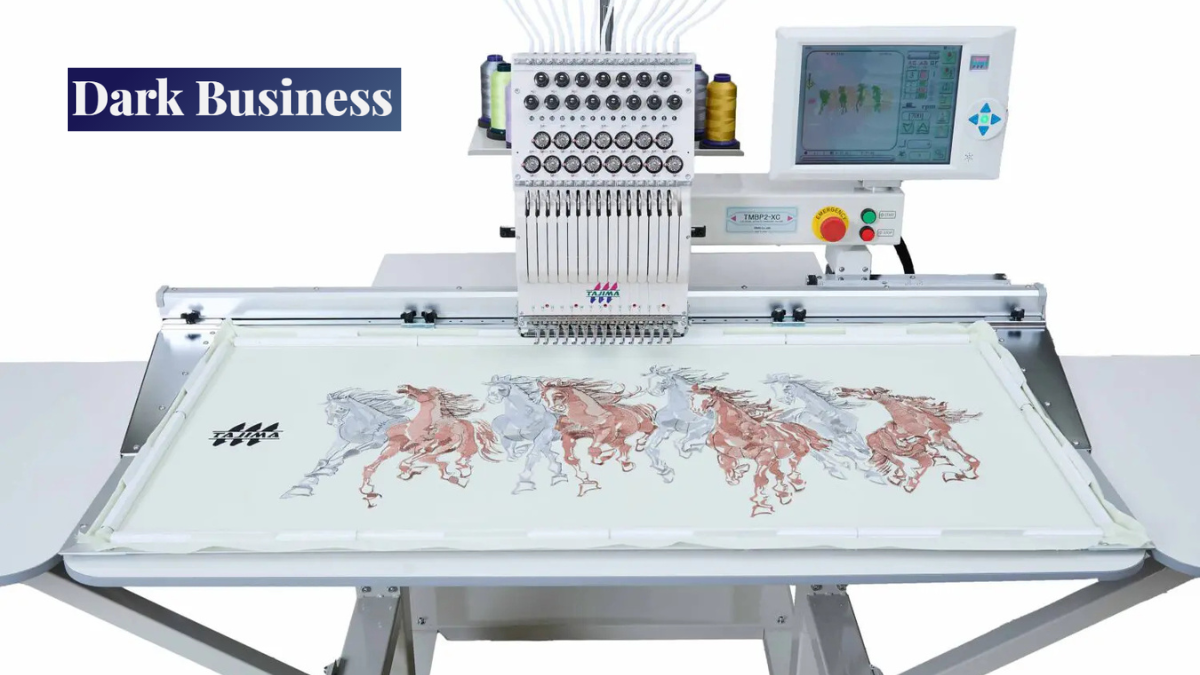
Embroidery machines come in various types, each catering to different skill levels and purposes. Single-needle machines are ideal for beginners, offering simplicity and ease of use. These machines typically handle one thread colour at a time, requiring manual changes for multi-colour designs. Despite this limitation, they are perfect for learning the basics and creating small projects.
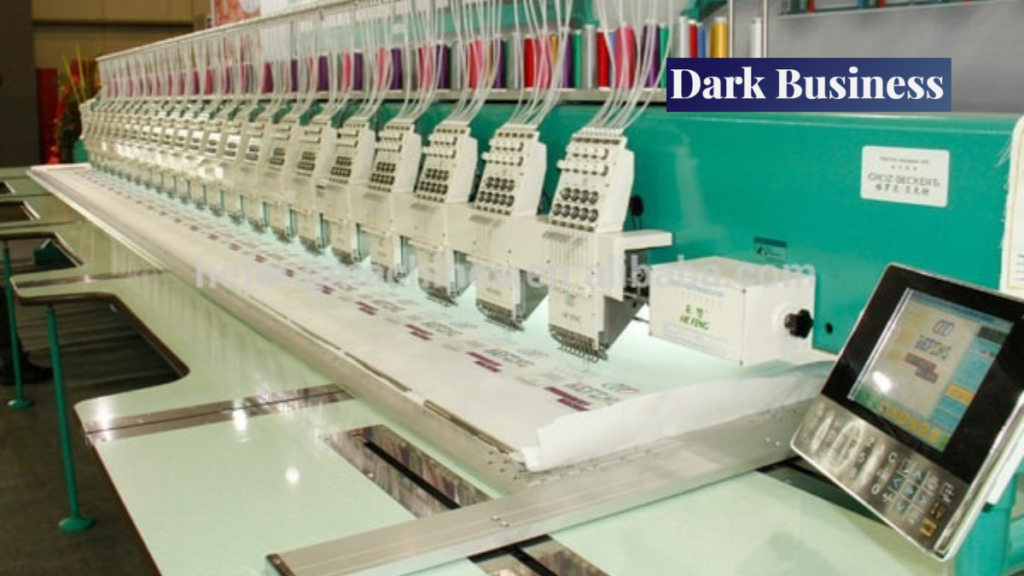
Multi-needle machines, on the other hand, are designed for efficiency and productivity. With multiple needles and thread colours loaded simultaneously, they significantly reduce downtime and are well-suited for small businesses. Industrial embroidery machines take this a step further, offering high-speed performance and durability for large-scale production. Meanwhile, computerised embroidery machines integrate advanced software, allowing users to upload custom designs, edit patterns, and achieve professional-quality results with minimal effort.
Key Features to Look for in an Embroidery Machine
When choosing an embroidery machine, understanding its features is crucial to making the right investment. One of the most important aspects is the embroidery area or hoop size, which determines the maximum design size you can create. Larger hoop sizes provide greater flexibility for bigger projects, while smaller ones are suitable for compact designs.
Additional features such as built-in designs, font options, and connectivity play a significant role in enhancing usability. Machines with USB or Wi-Fi capabilities allow users to import custom designs بسهولة, expanding creative possibilities. Stitch speed and quality are equally important, especially for those planning to use the machine commercially. A user-friendly interface, preferably with a touchscreen, ensures a smoother learning experience, while durable construction guarantees long-term reliability.
How to Choose the Best Embroidery Machine
Selecting the right embroidery machine depends on your individual needs and goals. Beginners should prioritise ease of use, opting for machines with intuitive controls and helpful tutorials. Intermediate users may look for more advanced features, such as larger embroidery areas and design editing capabilities. Professionals, on the other hand, often require high-performance machines that can handle complex designs and continuous operation.
Budget is another critical factor to consider. While entry-level machines are more affordable, investing in a higher-quality model can save money in the long run by reducing maintenance costs and improving output quality. It is also important to evaluate your purpose—whether it is for personal use, a hobby, or a business venture. Reading reviews, comparing models, and understanding brand reputation can further help in making an informed decision.
Top Uses of Embroidery Machines
Embroidery machines are incredibly versatile, making them suitable for a wide range of applications. For personal use, they are perfect for DIY projects, allowing users to customise clothing, accessories, and home décor items. From monogrammed towels to decorative cushions, the possibilities are virtually endless.
In a business context, embroidery machines can be a valuable asset. They enable the production of customised merchandise, such as branded uniforms, promotional items, and personalised gifts. With the growing demand for unique and customised products, embroidery machines offer a lucrative opportunity for entrepreneurs. Additionally, they are widely used in the fashion industry, where designers incorporate intricate embroidery into their creations to add value and appeal.
Step-by-Step Guide to Using an Embroidery Machine
Using an embroidery machine may seem complex at first, but with practice, it becomes a straightforward process. The first step is setting up the machine, which includes attaching the embroidery hoop and ensuring all components are properly aligned. Next, users can select a built-in design or import a custom pattern using compatible software.
Preparing the fabric is equally important. This involves securing the fabric with a stabiliser to prevent distortion during stitching. Once the machine is threaded and the design is ready, the embroidery process can begin. After completion, trimming excess threads and removing the stabiliser ensures a clean and professional finish. Following these steps carefully helps achieve high-quality results and reduces the likelihood of errors.
Common Mistakes to Avoid
Despite their advanced capabilities, embroidery machines require proper handling to deliver optimal results. One common mistake is using the wrong type of stabiliser, which can lead to uneven stitching or fabric puckering. Similarly, poor-quality thread can affect both the appearance and durability of the design.
Incorrect tension settings and lack of maintenance are also frequent issues. Beginners often overlook the importance of regular cleaning and proper calibration, which can result in machine malfunctions. Additionally, attempting overly complex designs without sufficient experience can lead to frustration and wasted materials. By understanding and avoiding these mistakes, users can improve their embroidery skills and achieve better outcomes.
Maintenance and Care Tips
Proper maintenance is essential to ensure the longevity and performance of an embroidery machine. Regular cleaning helps prevent dust and lint from accumulating, which can interfere with the machine’s operation. Oiling the moving parts, as recommended by the manufacturer, ensures smooth functioning and reduces wear and tear.
Storing the machine in a clean and dry environment is equally important. Users should also keep the software updated to access the latest features and improvements. In case of technical issues, troubleshooting basic problems can save time, but professional servicing may be required for more complex repairs. Consistent care not only extends the machine’s lifespan but also maintains the quality of embroidery work.
Best Embroidery Machine Brands to Consider
The market offers a wide range of embroidery machine brands, each with its own strengths and features. Some brands are known for their beginner-friendly models, while others focus on high-end machines for professional use. Factors such as reliability, customer support, and warranty play a crucial role in determining the best option.
Comparing different brands based on features, pricing, and user reviews can help narrow down the choices. It is also beneficial to consider after-sales service, as access to support and spare parts can make a significant difference in the long run. Choosing a reputable brand ensures a better overall experience and greater satisfaction with your investment.
Embroidery Machine for Business: Is It Worth It?
Starting an embroidery business can be a profitable venture, especially in today’s market where customisation is highly valued. While the initial investment in an embroidery machine may seem significant, the potential returns can outweigh the costs. With the right strategy, businesses can cater to various niches, including fashion, corporate branding, and personalised gifts.
Success in the embroidery business requires more than just equipment. It involves understanding market trends, building a strong brand, and delivering high-quality products. Scalability is another advantage, as businesses can expand their operations by upgrading to more advanced machines. With dedication and creativity, an embroidery machine can become a powerful tool for generating income and achieving long-term success.
Conclusion
Embroidery machines have transformed the art of stitching into a modern, efficient, and highly creative process. From beginners exploring a new hobby to professionals running successful businesses, these machines offer something for everyone. By understanding their features, types, and applications, users can make informed decisions and maximise their potential.
Investing in the right embroidery machine is not just about convenience—it is about unlocking creativity and embracing new opportunities. With proper care, continuous learning, and a passion for design, anyone can master the art of machine embroidery and turn ideas into beautifully crafted realities.
Frequently asked questions
1. What is the best embroidery machine for beginners?
Beginner-friendly machines with simple controls, built-in designs, and tutorials are ideal for those starting out.
2. How much does a good embroidery machine cost?
Prices vary widely, ranging from budget models to high-end professional machines depending on features and capabilities.
3. Can an embroidery machine be used for sewing as well?
Some combination machines offer both embroidery and sewing functions, providing added versatility.
4. How long does it take to learn embroidery machine basics?
Most users can learn the basics within a few days, while mastering advanced techniques may take longer.
5. What materials can be used with an embroidery machine?
A variety of fabrics, including cotton, polyester, and denim, can be used with the appropriate stabiliser.
6. Do I need software for embroidery designs?
Design software is helpful for creating and customising patterns, though many machines include built-in designs.
7. How do I maintain my embroidery machine?
Regular cleaning, proper storage, and timely servicing are key to maintaining performance.
8. Is an embroidery machine a good investment for small businesses?
Yes, it can be highly profitable when used effectively to create customised and high-demand products.
Also Read: Peppa Pig House Wallpaper