Shaped the Global Economy
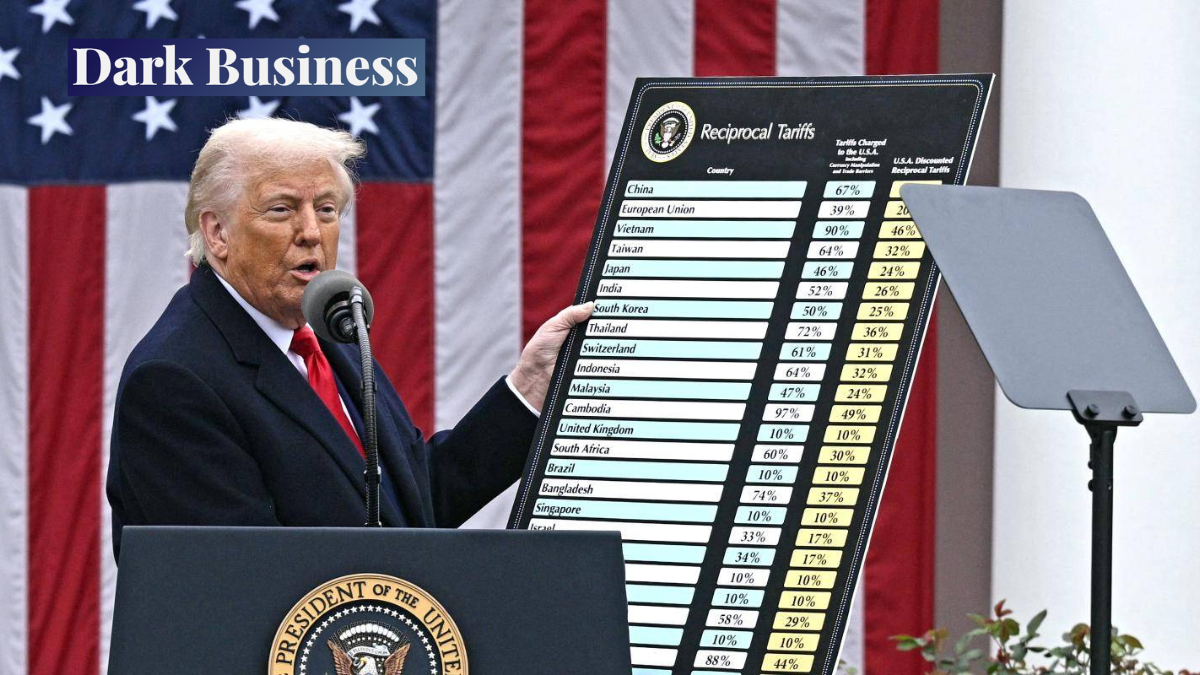
trump tariffshave long been a tool used by governments to regulate international trade, protect domestic industries, and address trade imbalances. During the presidency of Donald Trump, tariffs became one of the most prominent features of U.S. trade policy. By imposing tariffs on imports from key trading partners, the Trump administration aimed to “protect American jobs” and reduce the trade deficit that had grown over decades. The policy, often branded under the slogan “America First,” sparked widespread debate, with economists, policymakers, and business leaders closely monitoring its economic and geopolitical implications.
Trump’s tariffs were not just numbers on paper—they represented a fundamental shift in U.S. trade philosophy. Historically, the U.S. had favored free trade agreements and low barriers to imports, but the Trump administration sought to use tariffs as leverage in negotiations. This approach quickly escalated into trade conflicts with major economies such as China, the European Union, and Canada. Beyond the immediate economic impact, these measures prompted global discussions on fair trade practices, supply chain vulnerabilities, and the future of international commerce.
The purpose of this article is to examine the full scope of trump tariffs—their origins, impacts, controversies, and the lessons they offer for businesses and policymakers alike. By exploring the economic, political, and social dimensions of these trade measures, we can better understand how tariffs shaped global trade dynamics and influenced the U.S. economy during a critical period in modern history.
Understanding Trump’s Tariffs
The Trump administration implemented several major trump tariffs that targeted both specific countries and key products. Among the most notable were the steel and aluminum tariffs, imposed in 2018, which aimed to bolster the domestic metal industry. These tariffs applied a 25% tax on steel imports and a 10% tax on aluminum, significantly raising costs for manufacturers reliant on imported materials. In addition to metals, Trump’s administration targeted Chinese goods with tariffs covering over $360 billion in imports, affecting electronics, machinery, and consumer products.
The rationale behind these trump tariffs was primarily economic and political. The administration argued that foreign competition had unfairly harmed U.S. industries, and that tariffs would protect jobs and domestic production. At the same time, tariffs were designed to pressure trading partners into renegotiating trade agreements deemed unfavorable to the U.S., such as the North American Free Trade Agreement (NAFTA), later replaced by the USMCA. Tariffs were also used as a strategic tool in trade negotiations with China, aiming to reduce the U.S. trade deficit and curb what the administration perceived as unfair trade practices.
The “America First” approach marked a departure from decades of free trade policies. Unlike traditional trade agreements, which focus on mutual reductions in trade barriers, trump tariffs were unilateral and often unpredictable. This created an environment of uncertainty for international markets and domestic industries alike. While supporters hailed these measures as necessary protection for American jobs, critics warned of economic disruption, higher consumer prices, and strained diplomatic relations.
By understanding the scope and rationale of trump tariffs, it becomes clear that these measures were not merely economic tools—they were also instruments of domestic policy and international strategy. Their ripple effects extended beyond trade statistics, influencing supply chains, market behavior, and global perceptions of U.S. economic leadership.
Economic Impact of Trump Tariffs
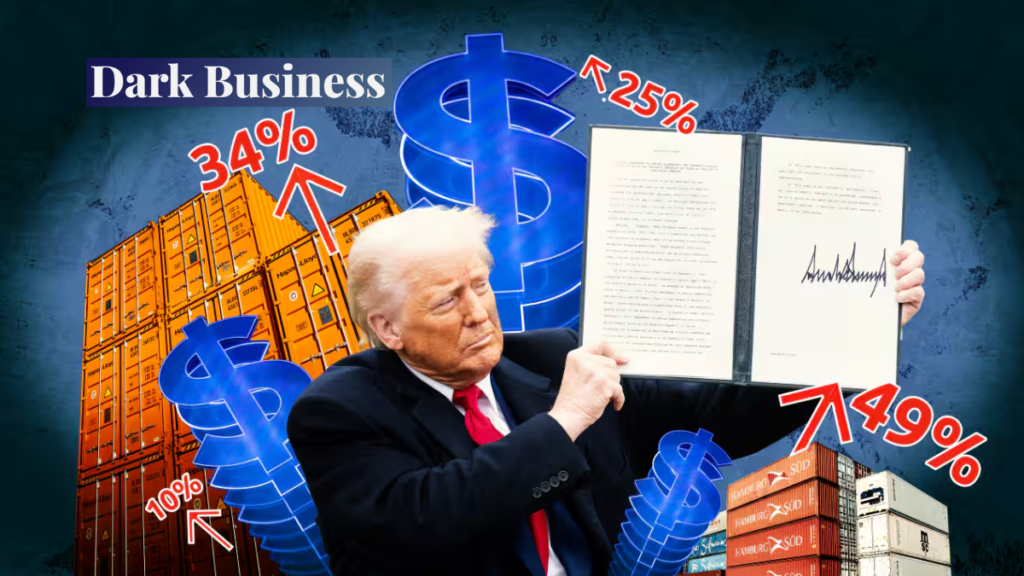
The economic consequences of Trump’s tariffs were wide-ranging and complex. On the domestic front, certain industries experienced temporary benefits, particularly in steel and aluminum production, where domestic producers enjoyed higher prices and increased demand. However, many other sectors faced higher costs, especially manufacturers dependent on imported components. Industries like automotive, electronics, and construction saw rising production expenses, which often translated into higher prices for consumers.
Agriculture was particularly hard-hit. Chinese retaliation against U.S. trump tariffs targeted key exports, including soybeans, pork, and other agricultural products. Farmers faced declining demand, falling commodity prices, and mounting financial pressure. Although the U.S. government introduced aid packages to offset these losses, the support only partially mitigated the economic strain and exposed the vulnerabilities of relying on global trade for agricultural markets.
Global supply chains were also disrupted. Many multinational companies had to adjust sourcing strategies, move production lines, or renegotiate supplier contracts to accommodate the new trade environment. The tariffs highlighted the interconnected nature of modern trade, demonstrating how a policy targeting one sector or country could have cascading effects worldwide. Inflationary pressures were another outcome, as tariffs raised the cost of imported goods, contributing to higher consumer prices.
In the long term, the economic impact of Trump’s tariffs remains debated. While some argue that tariffs incentivized domestic production and strengthened certain industries, others contend that the overall costs outweighed the benefits, with American consumers and businesses bearing the brunt. The mixed results underscore the complexity of trade policy and the challenge of balancing protectionist measures with global economic realities.
Political and Diplomatic Repercussions
Trump’s tariffs were not confined to economic debates—they also generated significant diplomatic tensions. China, the European Union, Canada, and Mexico responded with retaliatory tariffs, sparking a series of trade disputes that affected billions of dollars in goods. These conflicts strained long-standing alliances and required high-stakes negotiations to prevent further escalation. The World Trade Organization (WTO) became a platform for addressing complaints and disputes, though its capacity to enforce rules against major powers was limited.
Domestically, the tariffs were politically polarizing. Supporters emphasized job protection, industrial revitalization, and the need to address trade imbalances. Opponents argued that tariffs increased costs for consumers, hurt export-dependent industries, and risked igniting trade wars. Congressional debates highlighted these divisions, with lawmakers from agricultural states, manufacturing hubs, and import-reliant regions voicing concerns.
Internationally, the unpredictability of U.S. trade policy under Trump altered global perceptions. Allies accustomed to steady, rules-based trade suddenly faced abrupt changes in tariffs and trade agreements. This environment prompted countries to diversify trading partners, invest in domestic production, and reassess dependence on U.S. markets. The diplomatic fallout demonstrated that trade policy cannot be separated from broader geopolitical strategy, as economic measures often carry political and strategic consequences.
Lessons Learned and Future Outlook
One of the key lessons from Trump’s tariffs is the importance of strategic planning in trade policy. Businesses must be prepared for sudden changes in tariffs and trade agreements, diversifying supply chains and monitoring global market trends. For policymakers, the experience highlights the need to balance protectionist goals with economic efficiency, consumer impact, and international relations.
Trump’s tariffs also influenced subsequent trade negotiations. The Biden administration, for instance, has maintained certain tariffs while seeking to engage allies and partners in coordinated trade strategies. Globally, nations have become more cautious about over-reliance on single markets and more proactive in securing trade agreements that protect their interests. The era of Trump tariffs demonstrates that unilateral measures can produce immediate gains in specific sectors but carry long-term risks for economic stability and diplomatic relations.
Looking ahead, trade policy is likely to remain a key issue for both businesses and governments. As global supply chains evolve and geopolitical tensions persist, lessons from Trump’s tariffs will guide decision-making on how to navigate trade disputes, negotiate agreements, and protect domestic economic interests without disrupting international commerce.
Conclusion
Trump tariffs represent a defining chapter in U.S. trade history. By imposing significant tariffs on steel, aluminum, and Chinese goods, the administration sought to protect American industries and rebalance trade relationships. While the tariffs benefited certain sectors, they also raised costs for consumers, disrupted global supply chains, and prompted retaliatory measures from key trading partners.
The legacy of these tariffs lies not only in their economic impact but also in the lessons they offer for trade strategy, diplomacy, and policymaking. Balancing protectionism with global trade realities remains a challenge, and understanding the full consequences of tariffs is crucial for businesses, investors, and governments navigating an increasingly interconnected world.
Frequently Asked Questions
What are Trump tariffs and why were they implemented?
Trump tariffs were taxes on imported goods, aimed at protecting U.S. industries and reducing trade deficits.
Which industries were most affected by Trump tariffs?
Steel, aluminum, automotive, electronics, and agriculture were among the most impacted sectors.
How did China respond to U.S. tariffs under Trump?
China imposed retaliatory tariffs on U.S. goods like soybeans, pork, and machinery.
Did Trump tariffs cause inflation in the U.S.?
Yes, tariffs raised costs for imported goods, contributing to higher consumer prices.
Are Trump’s tariffs still in effect today?
Some tariffs remain, while others have been adjusted or renegotiated under subsequent administrations.
What can businesses do to mitigate the impact of tariffs?
Diversifying supply chains, adjusting sourcing strategies, and monitoring trade policies are key measures.
How did Trump tariffs influence global trade relations?
They caused tensions with major trading partners, reshaped negotiations, and prompted countries to seek alternative markets.
Also Read: ground chicken recipes