
celebrations around the world have been an integral part of human civilization since time immemorial. They are more than just events—they are expressions of culture, faith, and identity. Across the globe, communities come together to celebrate milestones, religious observances, seasonal changes, and cultural heritage. Whether it’s a solemn religious ritual or a vibrant festival filled with music and dance, these celebrations provide a window into the values and traditions of a society.
The significance of global celebrations around the world extends beyond entertainment. They reflect historical events, social structures, and shared beliefs. For instance, festivals like Diwali in India or Chinese New Year in China mark new beginnings and are accompanied by rituals that reinforce community bonds. Likewise, carnivals in Europe and South America showcase centuries-old traditions while embracing modern artistic expressions.
Understanding celebrations around the world allows us to appreciate diversity, learn from different cultures, and embrace global unity. They also provide opportunities for tourism, economic growth, and cross-cultural interactions. This article explores some of the most iconic and unusual celebrations across continents, the types of festivals people observe, and their broader social, cultural, and economic impacts. By diving into these celebrations, readers can gain a richer perspective on how humans mark life’s joys, challenges, and milestones around the globe.
Festivals by Region
Asia
Asia is a continent teeming with vibrant and diverse celebrations around the world that reflect its rich cultural and religious heritage. In China, the Lunar New Year is marked with dragon dances, lantern festivals, and family gatherings. Families clean their homes to sweep away bad luck and decorate with red symbols of fortune. In India, Diwali, the festival of lights, illuminates cities and villages alike, symbolizing the victory of light over darkness and good over evil. Meanwhile, Thailand’s Songkran festival, the traditional New Year, brings cities to life with massive water fights, symbolizing cleansing and renewal.
These celebrations around the world often combine religious observances with social and cultural activities, creating a unique tapestry of customs. Food, music, and clothing play essential roles, offering tourists an immersive cultural experience. Asian festivals also emphasize family and community bonds, highlighting values such as respect for elders, gratitude, and generosity.
celebrations around the world Moreover, these festivals have increasingly become global attractions. Tourists from all over the world visit to witness the grandeur and participate respectfully. Despite the modernization and commercialization of some events, traditional elements continue to be preserved, ensuring that each festival remains a living expression of cultural identity.
Europe
Europe boasts a long history of festivals, ranging from medieval traditions to contemporary celebrations around the world. Germany’s Oktoberfest, one of the world’s largest beer festivals, combines Bavarian music, cuisine, and traditional attire to create a cultural extravaganza. In Spain, La Tomatina—a tomato-throwing festival—has gained international attention, drawing tourists eager to participate in this messy yet exhilarating tradition. Venice, Italy, hosts the Carnival, famous for its elaborate masks and opulent costumes that pay homage to historical Venetian aristocracy.
European festivals often celebrations around the world historical events, seasonal changes, and local customs. Music, theater, and parades are integral to many events, offering both residents and visitors a chance to experience regional culture firsthand. These festivals also serve as economic drivers, boosting tourism and supporting local businesses.
Additionally, many European festivals blend tradition with modern innovation. Digital technology, social media, and contemporary art are increasingly integrated, enhancing visitor experiences while keeping the historical roots intact. The result is a vibrant, evolving celebrations around the world that continues to attract global audiences year after year.
Africa
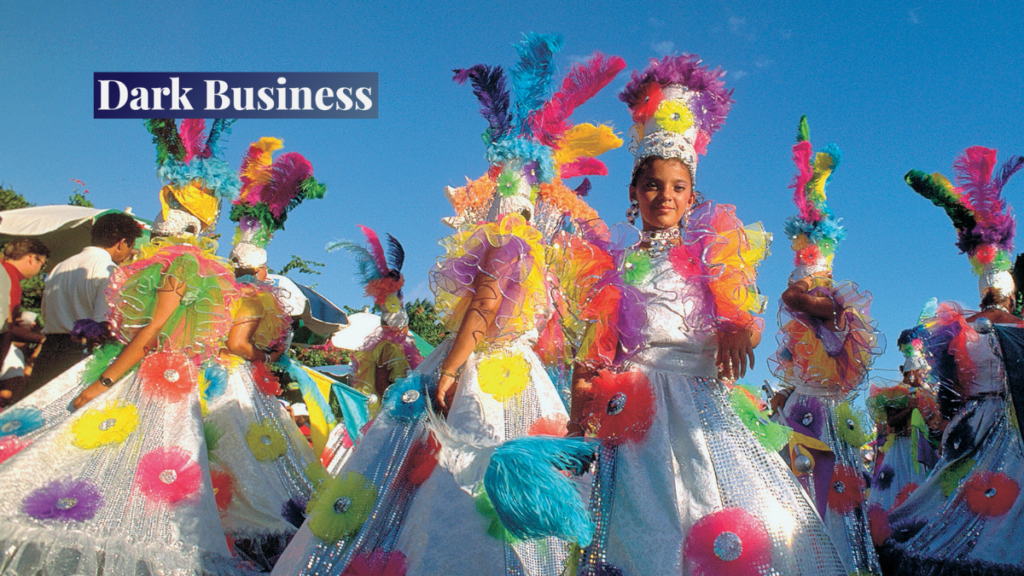
African celebrations around the world are characterized by their deep connection to history, community, and nature. In Ethiopia, Timkat celebrates Epiphany with colorful processions, prayers, and reenactments of biblical events. Cape Verde’s Carnival showcases a fusion of African and Portuguese influences, featuring music, dance, and elaborate costumes. Across the continent, festivals often emphasize music, drumming, and dance as expressions of collective identity.
celebrations around the world Unlike many modern urban festivals, African celebrations frequently highlight local traditions and communal participation. Food, crafts, and storytelling are central to these events, preserving heritage and passing knowledge to younger generations. Each festival, while rooted in religion or history, also serves as a social glue that strengthens community bonds.
African festivals are also increasingly gaining international recognition. Tourists are drawn to the vibrancy, authenticity, and cultural richness these events offer. As globalization spreads, communities balance maintaining traditional practices with welcoming global visitors, creating celebrations around the world that are both authentic and inclusive.
Americas
The Americas host a vast array of celebrations around the world that range from religious observances to national holidays. In the United States, Thanksgiving unites families with traditions of sharing meals, expressing gratitude, and honoring historical events. Mexico’s Day of the Dead is a vivid celebration of life and ancestry, featuring intricate altars, costumes, and parades. Brazil’s Carnival, one of the world’s largest festivals, dazzles with samba parades, colorful costumes, and street parties, blending indigenous, African, and European influences.
celebrations around the world in the Americas are often a fusion of indigenous and colonial traditions, reflecting the complex histories of the continents. Food, music, and dance remain integral, transforming each festival into a multisensory experience that engages both locals and tourists.
celebrations around the world Moreover, many celebrations have transcended national borders, with international festivals inspired by these traditions. The globalization of festivals encourages cultural exchange but also raises questions about preserving authenticity while accommodating tourists.
Oceania
celebrations around the world Oceania’s celebrations often emphasize nature, community, and indigenous traditions. Australia’s Sydney Festival showcases music, art, and cultural performances, attracting global audiences. New Zealand honors Maori heritage through cultural events that feature traditional songs, dances, and rituals. Pacific Island nations host local festivals that celebrate seasonal changes, fishing traditions, and community life.
In Oceania, festivals are deeply intertwined with the natural environment. Coastal rituals, harvest celebrations, and seasonal ceremonies highlight the region’s reliance on and respect for nature. These celebrations around the world often emphasize storytelling, arts, and communal participation, creating a strong sense of identity and continuity.
Global exposure has led some festivals to evolve, incorporating modern entertainment elements while maintaining traditional roots. This balance allows communities to celebrate their heritage while welcoming visitors and sharing their culture with the world.
Types of Celebrations
Religious Festivals
Religious festivals are among the most widely observed celebrations worldwide. They mark spiritual milestones, commemorate sacred events, or honor deities and saints. Christmas, celebrated globally, combines Christian traditions with local customs, featuring nativity scenes, feasts, and gift-giving. Eid al-Fitr marks the end of Ramadan, emphasizing charity, prayer, and family gatherings. Hanukkah commemorates Jewish resilience, with menorahs, prayers, and festive meals.
These celebrations reinforce faith, community cohesion, and cultural identity. Rituals and practices often vary regionally, creating diverse interpretations of a single festival. Religious festivals also provide opportunities for education, cultural exchange, and intergenerational bonding.
National and Public Holidays
National celebrations commemorate historical milestones, independence, or political events. Parades, fireworks, and official ceremonies are common ways to mark these occasions. Independence Day in the United States features patriotic displays, while Bastille Day in France celebrates revolutionary history with public festivities and military parades.
Public holidays reinforce national identity, educate citizens about history, and offer opportunities for community participation. They also stimulate local economies, particularly in tourism, retail, and hospitality sectors.
Cultural and Seasonal Festivals
Cultural festivals often celebrate music, art, food, or seasonal events. Harvest festivals, like Japan’s Matsuri, highlight agricultural cycles and local customs. Music and film festivals, such as South by Southwest in the US, celebrate creativity while drawing global audiences. Seasonal festivals mark solstices, equinoxes, or weather transitions, emphasizing humanity’s connection to nature.
These celebrations preserve cultural heritage, encourage creative expression, and promote social cohesion. They also offer platforms for emerging artists, local businesses, and community initiatives.
Unique and Unusual Celebrations
Some festivals are unusual or quirky yet fascinating. Spain’s La Pourcailhade, also known as the Pig-Squealing Championships, highlights rural traditions with humor and local pride. Thailand’s Monkey Buffet Festival provides lavish food offerings to monkeys as a symbolic gesture of gratitude. Such celebrations attract tourists seeking novel experiences and highlight the diversity of human creativity.
Even unconventional festivals carry cultural meaning, reflecting historical, religious, or ecological aspects of their communities. They demonstrate the limitless ways humans celebrate life and community.
The Impact of Celebrations
Economic Impact
Festivals generate significant economic benefits. Tourism, local markets, food vendors, and cultural industries see a boost during celebrations. Iconic events like Oktoberfest or Rio Carnival contribute millions of dollars to local economies annually, creating employment and promoting regional products.
Social and Cultural Significance
Beyond economics, celebrations strengthen social bonds. They preserve traditions, foster community cohesion, and promote intergenerational knowledge transfer. Festivals allow societies to honor history, share values, and instill a sense of belonging among participants.
Globalization of Festivals
Globalization has transformed many local festivals into international spectacles. While this raises awareness and tourism, it can also challenge authenticity. Communities strive to balance welcoming global visitors with preserving the essence and cultural integrity of their celebrations.
Conclusion
Celebrations around the world showcase the diversity, creativity, and shared humanity of our species. From religious rituals to national holidays, quirky festivals, and cultural extravaganzas, each event reflects the history, values, and identity of its community. These celebrations not only entertain but also educate, inspire, and unite people across cultures.
By participating in or learning about global celebrations, we gain a deeper understanding of human expression and community. They remind us that, despite differences, people everywhere share a universal desire to celebrate life, honor heritage, and create joyful connections. Exploring these festivals enriches our perspective, offering unforgettable experiences and meaningful cultural insights.
Frequently Asked Questions
What are some of the most famous festivals around the world?
Chinese New Year, Diwali, Rio Carnival, Oktoberfest, and Day of the Dead are some of the most renowned celebrations globally.
How do celebrations differ between continents?
Festivals vary by religion, culture, and history. For example, Asia emphasizes religious rituals, Europe often celebrates historical events, and Africa focuses on music, dance, and community traditions.
Why are festivals important in different cultures?
They preserve heritage, strengthen community bonds, teach traditions, and provide entertainment and spiritual fulfillment.
What are some unique or unusual celebrations globally?
Examples include Thailand’s Monkey Buffet Festival, Spain’s La Tomatina, and France’s Pig-Squealing Championships, each highlighting local customs or humor.
How can tourists safely and respectfully participate in local festivals?
Tourists should research customs, dress appropriately, follow local guidelines, and respect religious and cultural practices.
Are traditional celebrations changing due to globalization?
Yes, festivals are adapting to international audiences while striving to maintain authenticity and cultural significance.
Which festivals are considered the oldest in human history?
Harvest festivals, solstice celebrations, and religious rituals like Passover or Holi trace back thousands of years, reflecting ancient traditions.
Also Read: donald trump